
Fontaine Drop Deck Trailers For Sale
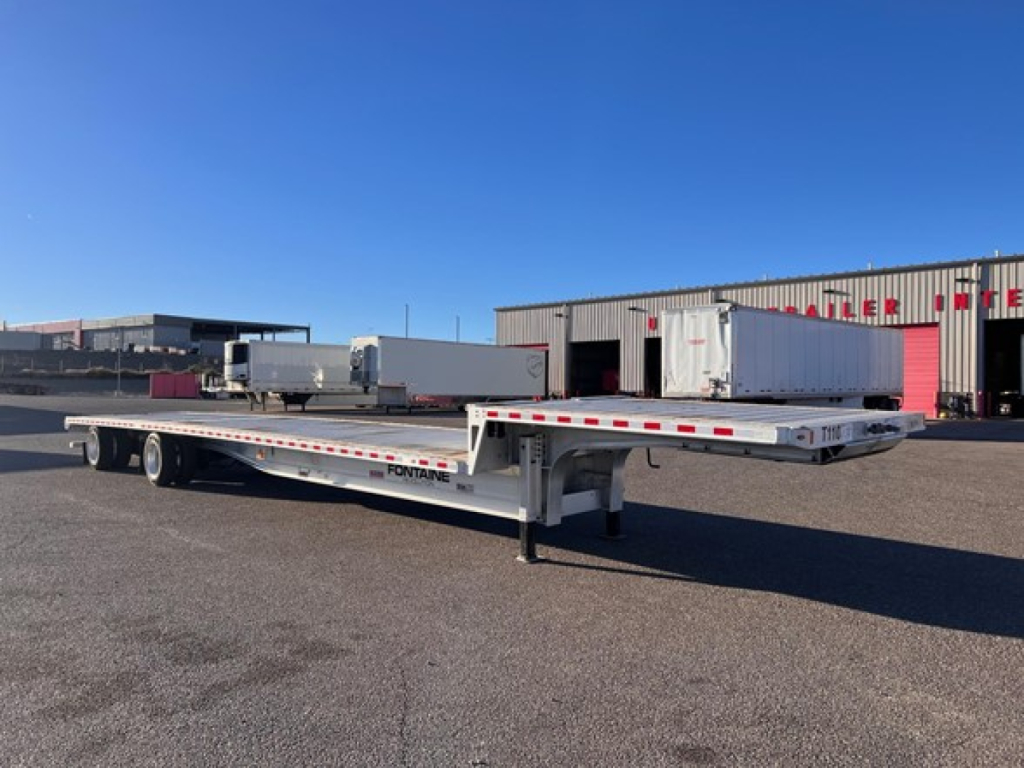
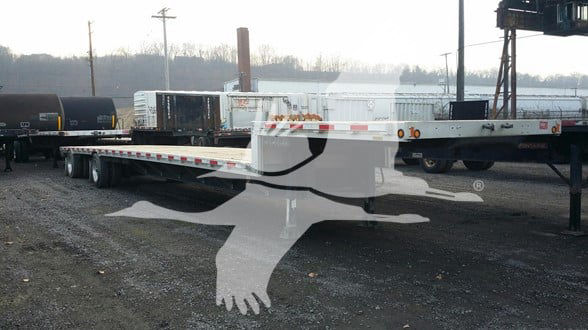
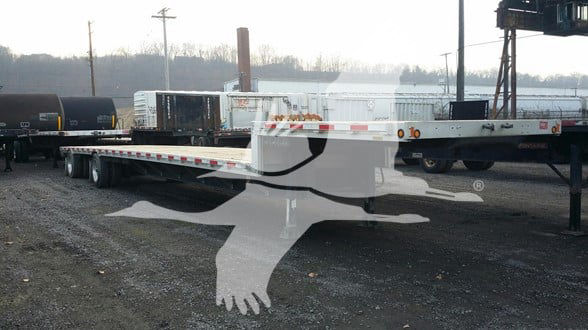
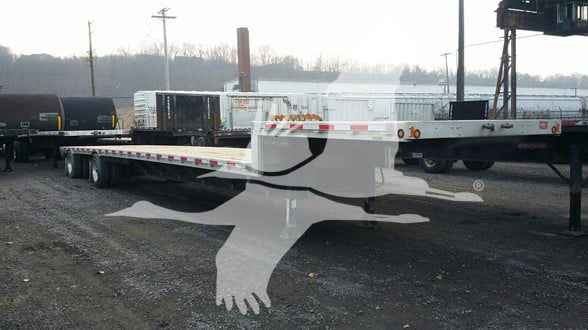
Shop Fontaine drop deck trailers, including combo and steel step decks, with specs on deck height, axle spread, suspension, and weight savings.
Learn more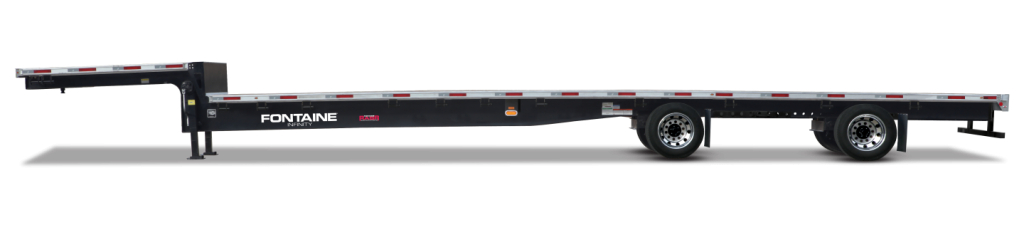

Showing 1 to 12 of 22 results
Have fontaine drop deck trailer to sell? List it here to reach thousands of buyers.
About Fontaine Drop Deck Trailers
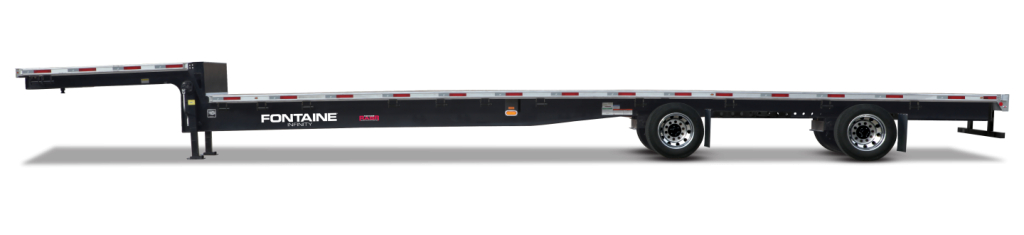
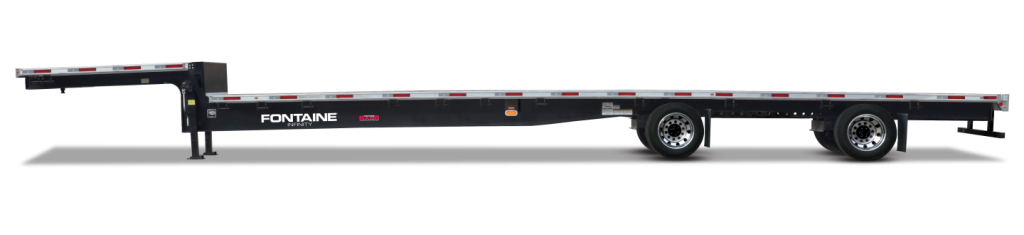
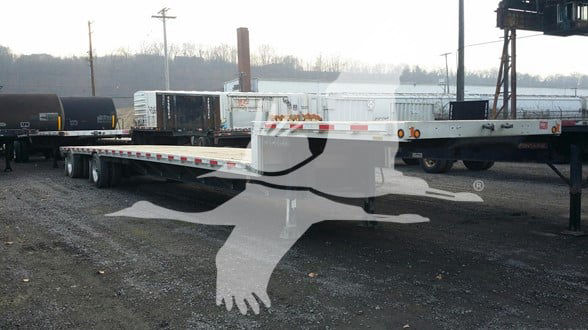
Fontaine combo drop decks, including Infinity models, typically use steel main beams and crossmembers with aluminum components to reduce tare weight without giving up structural strength where it counts. That can be a strong fit for operators balancing payload, corrosion resistance, and resale value. Steel-focused models such as the Velocity line tend to appeal to buyers who want a straightforward work trailer with a durable frame, predictable repairability, and competitive upfront cost. Common specs in this category include upper deck lengths around 10 feet, main deck lengths around 38 to 43 feet, main deck heights near 40 inches, 4-inch I-beams on close crossmember spacing, winch tracks, Apitong nailer strips, and two-speed landing gear. Suspension packages often feature Hendrickson air ride systems, and widespread or sliding rear axle setups are popular depending on bridge law needs and load positioning.
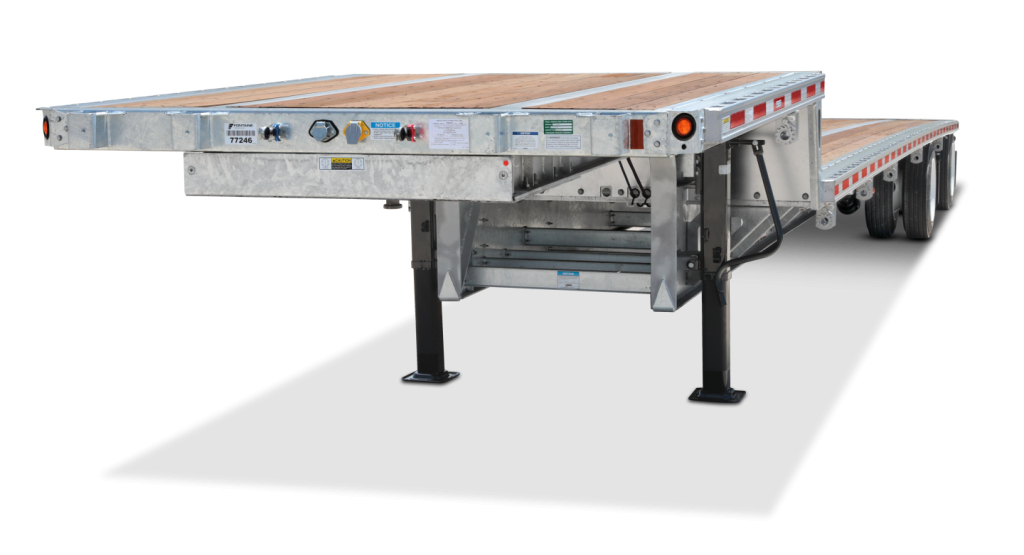
Deck configuration matters as much as materials. Buyers should look closely at kingpin setting, axle spread, loaded deck height, crossmember spacing, and the presence of winch tracks on one or both sides. A lower deck height helps with legal load height, but it can also affect ramp angle and dock compatibility. Combination trailers are often chosen by fleets that run heavier freight but still want to protect payload margins. Steel trailers may make more sense in severe-duty regional service where rough loading conditions, concentrated point loads, and frequent forklift traffic are part of the job. Flooring is another key detail. Aluminum floors save weight, while wood nailer strips and quality floor design help with securement flexibility and long-term serviceability.
Some Fontaine drop deck trailers are built for specialty applications beyond general open-deck hauling. Twist-lock step decks configured for one 40-foot container or two 20-foot containers add intermodal flexibility without moving to a dedicated chassis. Toolboxes, bulkhead choices, additional lighting, and dump valve setups can also matter depending on the freight mix. When comparing listings, smart buyers focus on composition, tare weight, suspension brand, axle configuration, deck dimensions, and any signs of frame or floor repairs. A well-matched Fontaine drop deck can improve legal loading options, increase payload efficiency, and handle a broad mix of freight with fewer compromises than a standard flatbed.
Frequently Asked Questions
What is the advantage of a Fontaine drop deck trailer compared with a flatbed?
A Fontaine drop deck trailer gives you a lower main deck than a standard flatbed, which allows taller freight to move legally without requiring an overheight permit in many cases. That extra height clearance is the main reason step decks are used for equipment, machinery, and other freight that cannot fit on a flatbed while staying under legal road height. You still keep the open-deck loading access needed for cranes, forklifts, and side loading.
What is the difference between Fontaine Infinity and Fontaine Velocity drop deck trailers?
In general, Fontaine Infinity models are combination trailers that use steel in critical structural areas and aluminum in weight-saving components, while Velocity models are commonly steel-focused trailers built around durability and value. Infinity trailers are often chosen when payload and corrosion resistance are priorities. Velocity trailers are often selected for heavy-use applications where simple serviceability and lower acquisition cost matter more than shaving every pound of tare weight.
What specs matter most when buying a used Fontaine step deck trailer?
The most important specs are deck height, overall length, lower deck length, axle spacing, suspension type, kingpin setting, and trailer composition. Buyers should also inspect crossmember condition, floor wear, frame repairs, landing gear operation, air ride components, brake life, tire condition, and any stress cracking around the neck, suspension hangers, or rear frame. If the trailer has a spread axle or sliding rear axle, confirm it matches your route and bridge-law requirements.
Are Fontaine combo drop deck trailers good for maximizing payload?
Yes. Fontaine combo drop deck trailers are designed to lower empty weight compared with a full steel trailer while maintaining strength in major load-bearing areas. That reduced tare weight can translate into more legal payload, which is especially valuable for carriers hauling denser freight. The tradeoff is that buyers need to evaluate repair history and intended use carefully, since severe-duty applications may still favor a heavier all-steel build.
Can a Fontaine drop deck trailer be used for container hauling?
Some Fontaine drop deck trailers can be configured with twist-lock systems to carry containers, including one 40-foot container or two 20-foot containers, depending on the trailer setup. This is a specialty configuration and not a standard feature on every step deck. Buyers should verify lock placement, deck rating, axle configuration, and any applicable state or bridge-law limitations before planning regular container moves on a drop deck platform.