
New Dura Haul Drop Deck Trailers For Sale
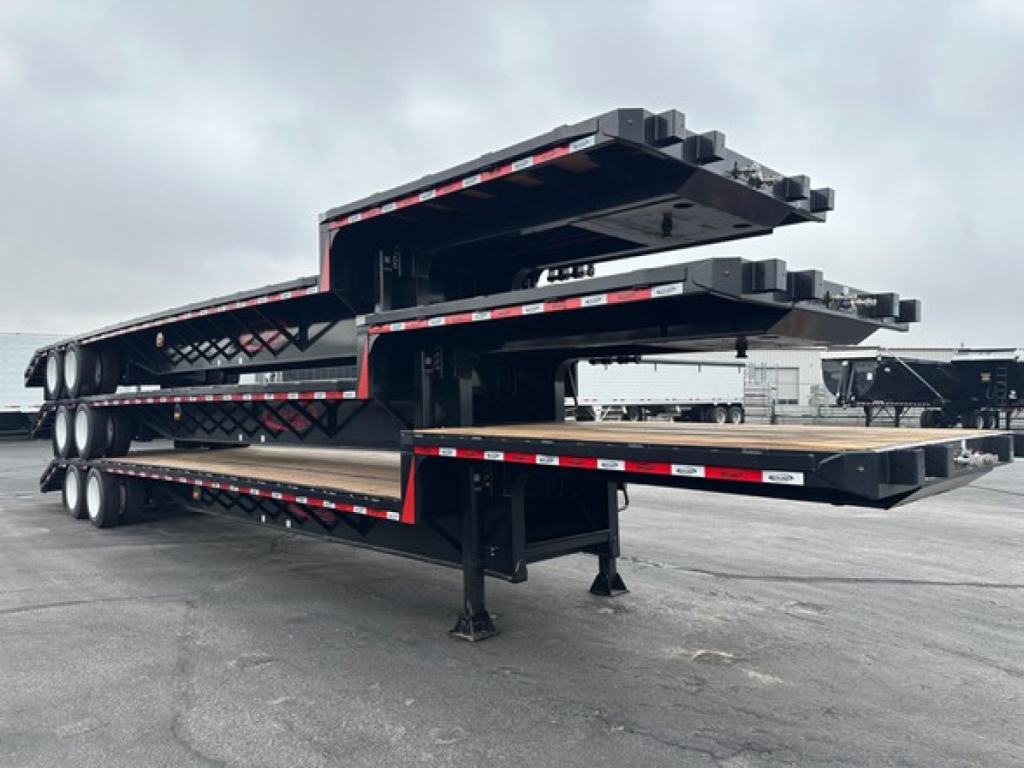
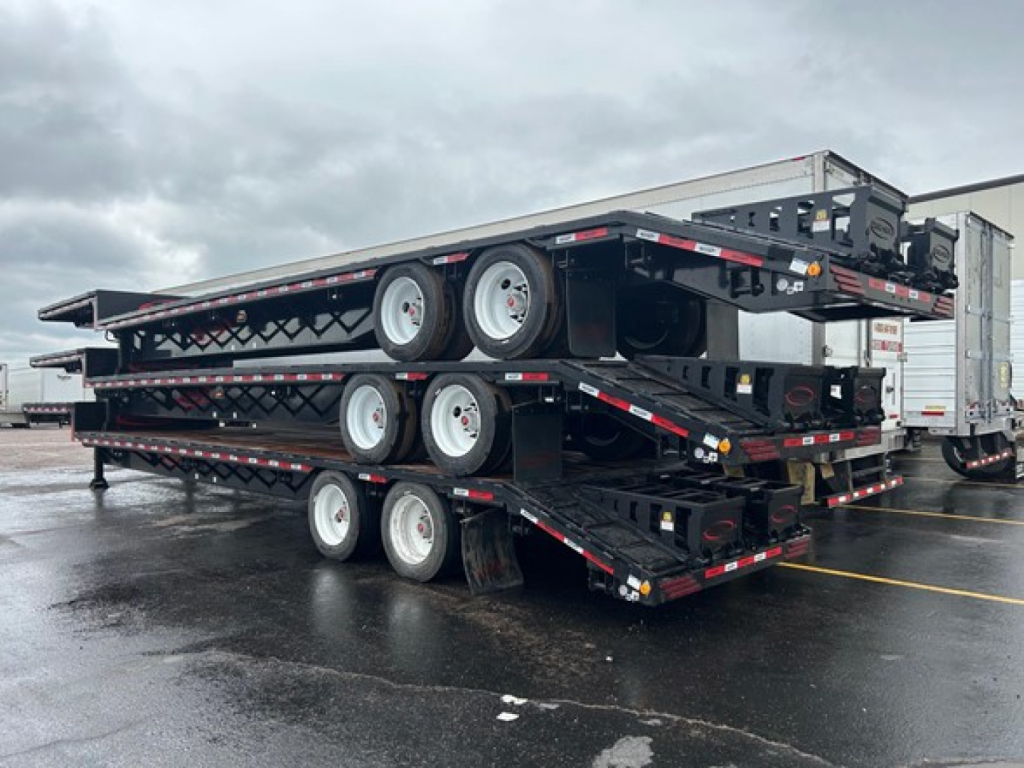
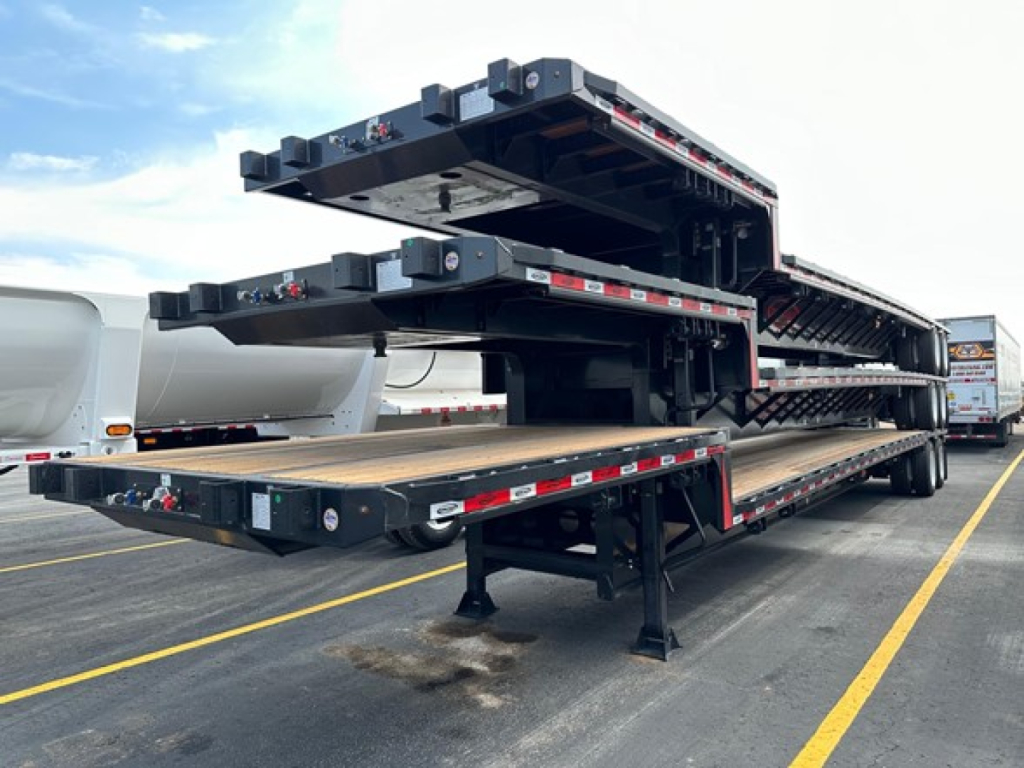
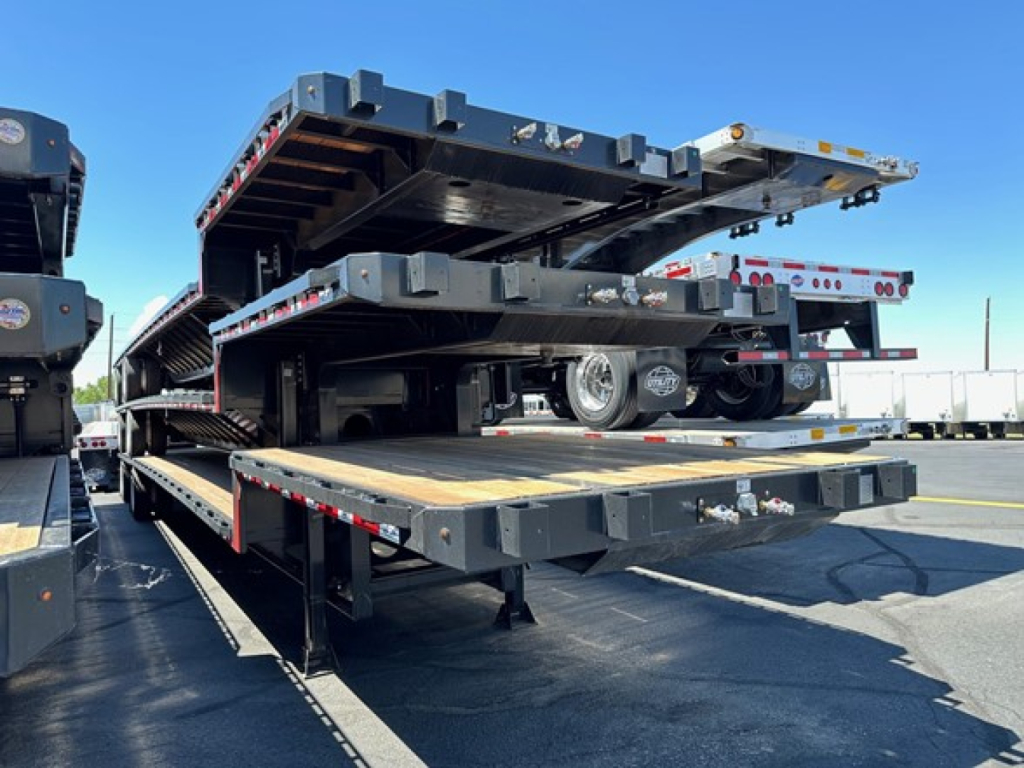
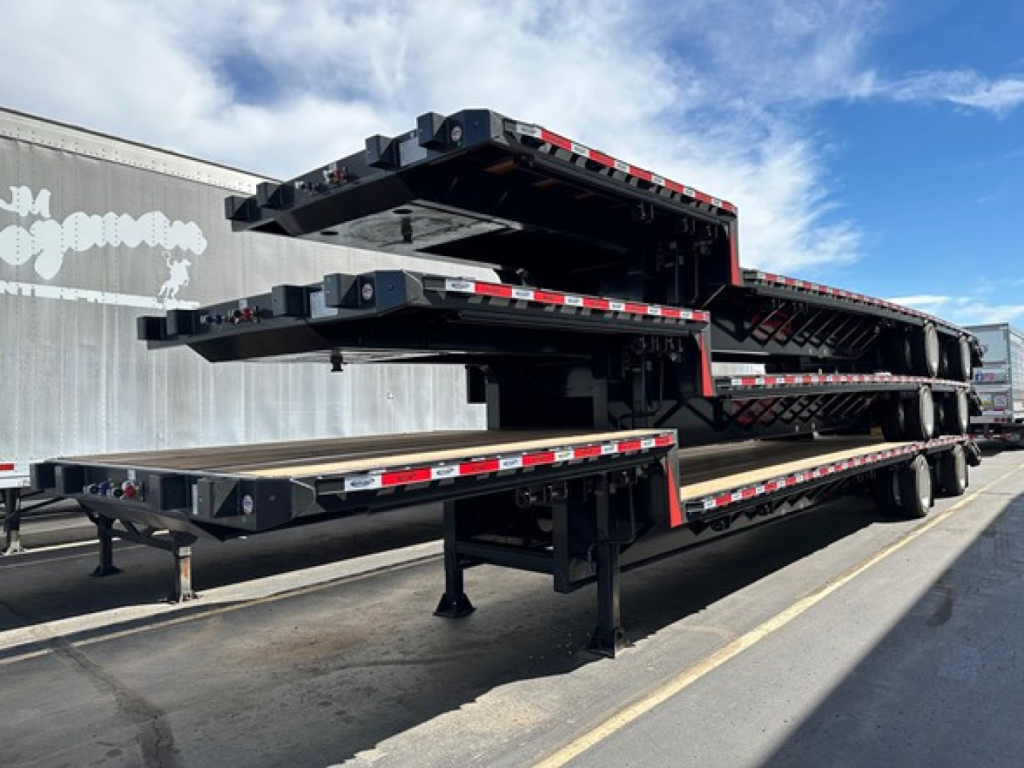
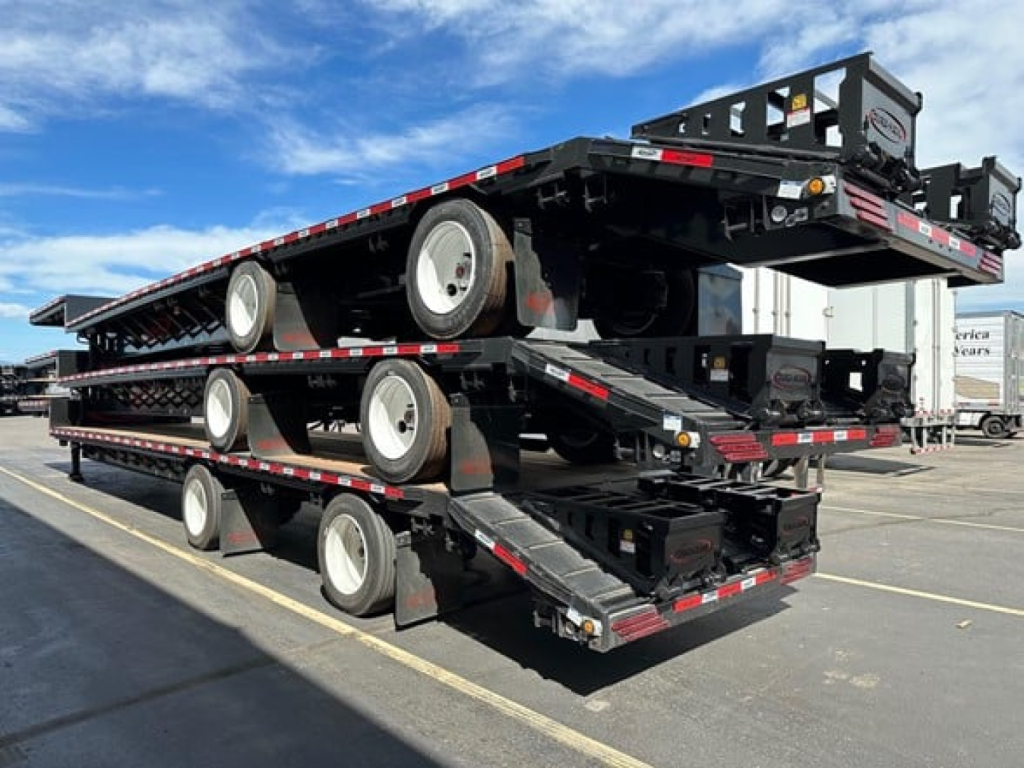
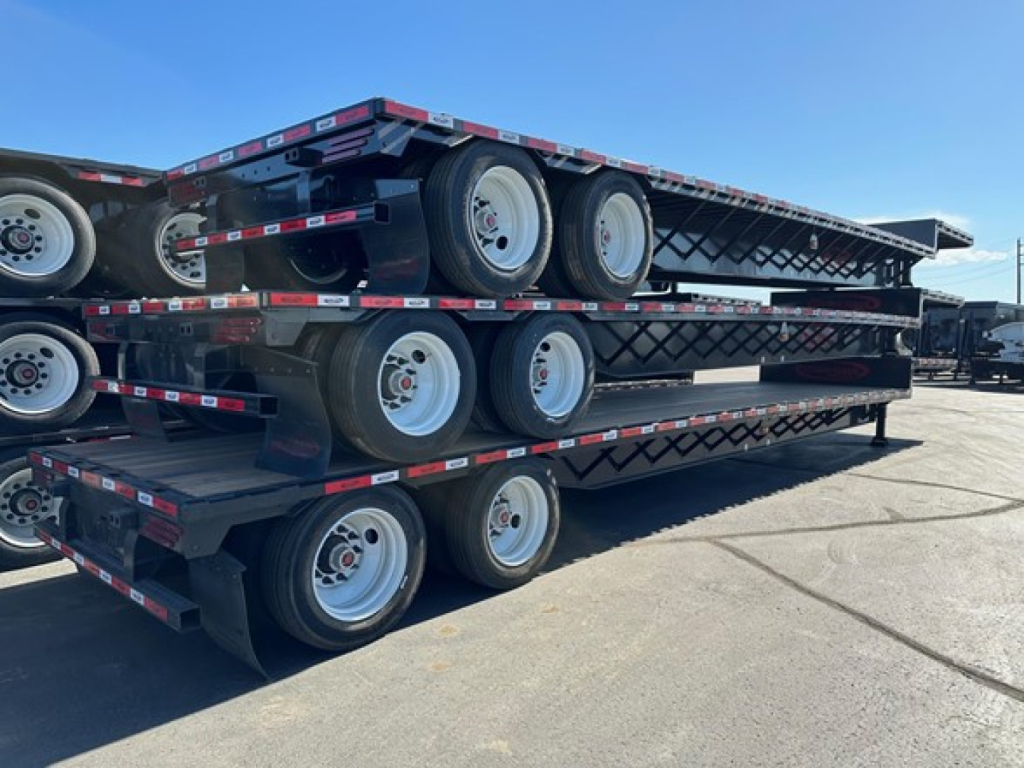
New Dura Haul drop deck trailers built for taller freight, machinery, and counterweights with air ride, Apitong decking, and durable steel construction.
Learn more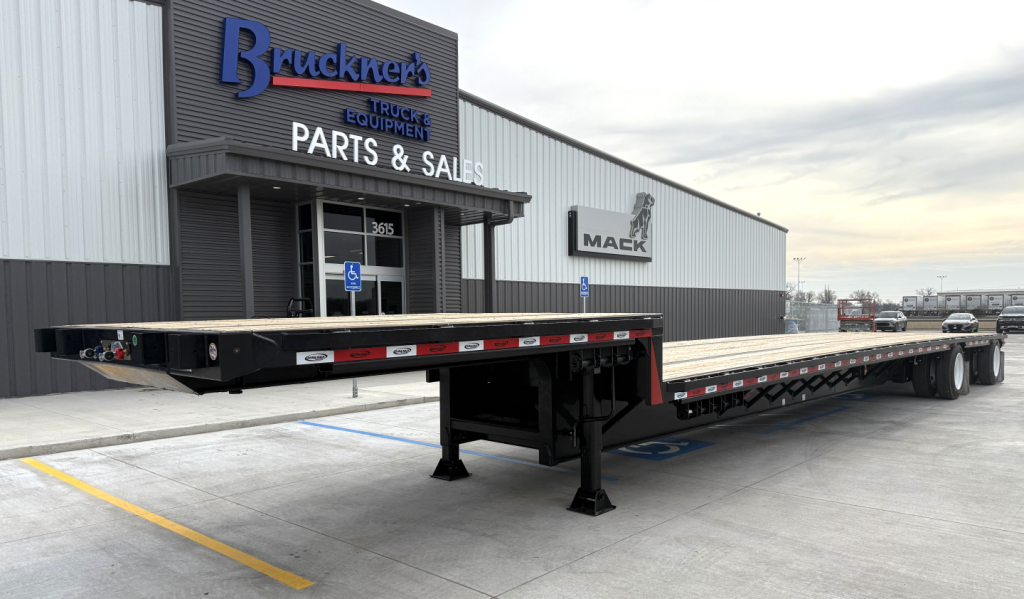
Showing 25 to 32 of 32 results
Have new dura haul drop deck trailer to sell? List it here to reach thousands of buyers.
About New Dura Haul Drop Deck Trailers
The sample Dura Haul configurations point to practical work-trailer specs: 48-foot and 53-foot lengths, 102-inch width, roughly 10-foot 6-inch upper decks and 42-foot 6-inch lower decks on 53-foot models, plus steel main beams and rails for durability. Apitong decking is a strong sign for buyers who haul concentrated loads or equipment, since it holds up well under repeated loading and tiedown wear. Crossmember spacing such as 4-inch crossmembers on 12-inch centers affects deck support and long-term rigidity. Buyers hauling forklifts, compact equipment, or jobsite materials should also pay attention to beavertail and ramp setups, especially on 48-foot models used for easier self-loading.
Axle arrangement changes how a drop deck works in the real world. Spread axle setups can help with bridge compliance and load distribution, while closed tandem designs are often simpler to maneuver in tighter yards and urban delivery points. Air ride suspension is a major plus for fragile or high-value freight, and a dump valve helps during loading dock approach, trailer height adjustment, or traction situations. A 24-inch kingpin setting is common, but it should still be matched to the tractor, slider position, and state bridge requirements. Sliding winches, stake pockets, and pipe spools are basic freight-securement features that matter every day, especially for steel, lumber, equipment attachments, and mixed open-deck loads.
New Dura Haul drop deck trailers are typically chosen by buyers who want a straightforward steel trailer with work-ready specs instead of specialty complexity. Tire size, landing gear quality, wheel construction, LED lighting, and details like manual versus integrated scale systems all affect long-term operating cost and daily usability. If the trailer will be used for machinery, look closely at ramp capacity, beavertail design, and deck reinforcement. If it will spend most of its life in open-deck freight service, focus more on winch count, tiedown layout, axle spacing, and deck durability. The best Dura Haul drop deck setup is the one matched to your freight profile, route restrictions, and loading method, not just the one with the longest deck.
Frequently Asked Questions
What is the advantage of a drop deck trailer compared with a flatbed?
A drop deck trailer, also called a step deck, gives you a lower main deck height than a standard flatbed. That lower deck allows taller freight to move legally without overheight permits in many common applications. It is a practical middle ground for equipment, crated freight, and building materials that are too tall for a flatbed but do not require a lowboy.
What should I look for in a Dura Haul drop deck specification?
The most important items are deck length split, axle configuration, suspension, deck material, and tiedown layout. A buyer should also check crossmember spacing, kingpin setting, ramp or beavertail equipment, landing gear, and tire size. These specs affect legal loading height, cargo flexibility, ride quality, and how well the trailer holds up under repeated loading and unloading.
Is a spread axle or closed tandem better on a drop deck trailer?
A spread axle can improve load distribution and help in certain bridge-law situations, which makes it attractive for longer-haul open-deck freight. A closed tandem is usually easier to maneuver in tighter spaces and can be a better fit for local or regional work with frequent backing and jobsite access. The better choice depends on the freight, the states you run, and how often maneuverability matters.
Why is Apitong decking common on drop deck trailers?
Apitong is widely used because it is dense, durable, and well suited for open-deck service. It handles abrasion from machinery, forklifts, chains, and concentrated cargo better than many lighter wood options. For buyers planning to haul equipment, steel, or heavy palletized freight, Apitong is often preferred for service life and deck stability.
Are drop deck trailers good for hauling machinery and counterweights?
Yes, many drop deck trailers are configured specifically for machinery, compact equipment, and crane counterweights. Features such as air ride suspension, reinforced steel construction, beavertails, flip ramps, and strong deck materials make them suitable for this kind of work. The key is confirming deck capacity, ramp design, tiedown points, and axle placement for the exact machines or weight distribution you expect to haul.