
Fontaine Double Drop Expandable Trailers For Sale in Pennsylvania
Shop Fontaine double drop expandable trailers with low deck heights, extendable wells, and heavy-haul specs for oversized equipment transport.
Selling a fontaine double drop expandable trailer? List your fontaine double drop expandable trailer for sale and reach thousands of commercial buyers.
Fontaine Double Drop Expandable Trailers in Pennsylvania
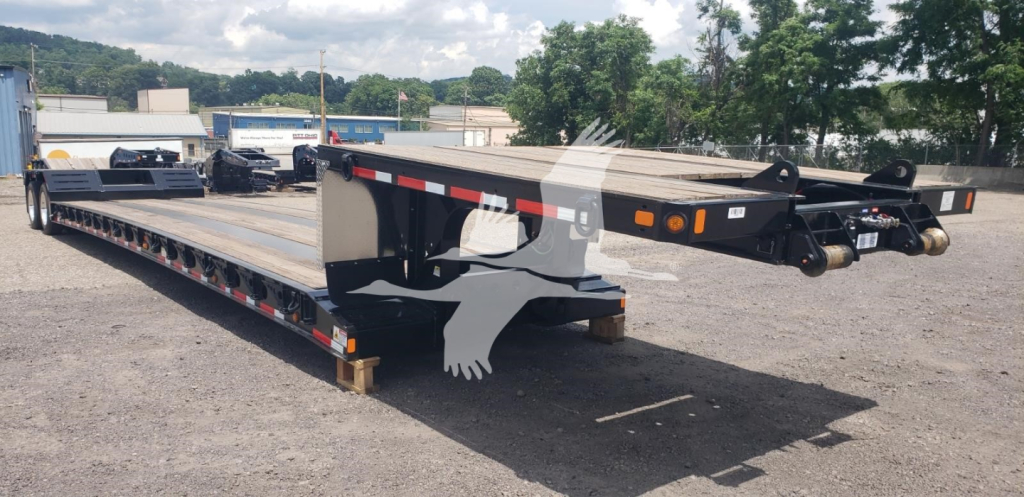
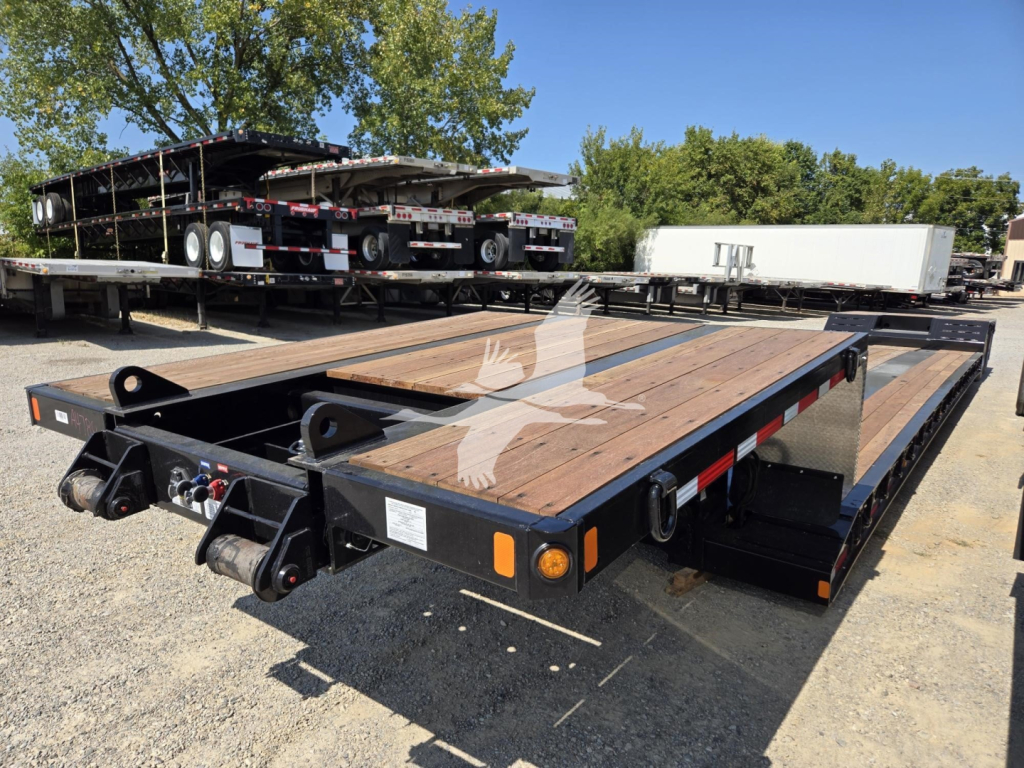
On a Fontaine, pay close attention to the dimensions that affect real-world loading and routing: closed and extended main deck length, rear deck length, overall width, kingpin setting, loaded deck height, and ground clearance. These trailers are commonly spec'd around 102 inches wide, with concentrated capacity ratings that vary by axle group and spread. The kingpin setting matters more than many buyers expect because it influences bridge compliance, fifth wheel position, and how the trailer balances with different tractors. Ground clearance is equally important on low-profile double drops, especially in Pennsylvania and the Northeast where uneven jobsite entrances, older pavement transitions, and tighter turns can punish a trailer that sits too low.
The expandable design makes this category attractive for fleets hauling excavators one week and longer fabricated components the next. Fontaine's reputation in specialized hauling comes from practical details that matter over time, including deck construction, crossmember strength, loaded stability, and how the extension system holds up under repeated use. Buyers comparing used units should inspect the neck, sliding or telescoping sections, outriggers if equipped, suspension condition, brake wear, tire condition, and signs of stress around welds and beam transitions. On any double drop expandable, the condition of the deck floor, air and electrical lines, and ramp or loading provisions can affect both uptime and loading speed.
This category is also commonly referred to as an extendable double drop trailer or a lowboy-style expandable trailer, although true lowboy configurations can differ by neck design and loading method. For many operations, a Fontaine double drop expandable is the right middle ground between a fixed well trailer and a more dedicated heavy-haul setup. It gives you a lower carrying position than a flatbed and more length flexibility than a standard double drop, which is exactly what matters when freight dimensions change faster than your trailer lineup can.
Frequently Asked Questions about Fontaine Double Drop Expandable Trailers in Pennsylvania
What is a Fontaine double drop expandable trailer used for?
A Fontaine double drop expandable trailer is used to haul tall and long freight that will not fit efficiently on a standard flatbed or fixed-length double drop. Common loads include construction machinery, industrial equipment, fabricated steel, tanks, and oversized components that need a low deck height for legal loaded height and an extendable well for added deck length.
What specs matter most when comparing double drop expandable trailers?
The key specs are main deck length closed and extended, deck height, ground clearance, rear deck length, overall width, kingpin setting, axle configuration, and rated capacity by axle group. Buyers should match these numbers to the freight they actually move, because a trailer that has enough overall length can still be a poor fit if the well is too short, the deck sits too high, or the kingpin setting creates bridge or weight distribution problems.
Why is deck height so important on a double drop expandable?
Deck height directly affects loaded height, which determines route options, permit needs, and how many loads can move legally without added complications. A lower main deck allows taller equipment or freight to sit lower between the decks, but lower trailers also need enough ground clearance to handle railroad crossings, ramps, and rough site access without dragging or damaging the frame.
What should I inspect on a used Fontaine double drop expandable trailer?
Focus on structural wear and operating components. Check the frame rails, weld areas, neck, extension sections, locking points, crossmembers, suspension, brakes, tires, and air system. Also inspect the deck surface, electrical connections, and any loading equipment such as ramps or outriggers. Wear in the extension mechanism or stress around transition points can be costly, so those areas deserve close attention.
Is a double drop expandable the same as a lowboy?
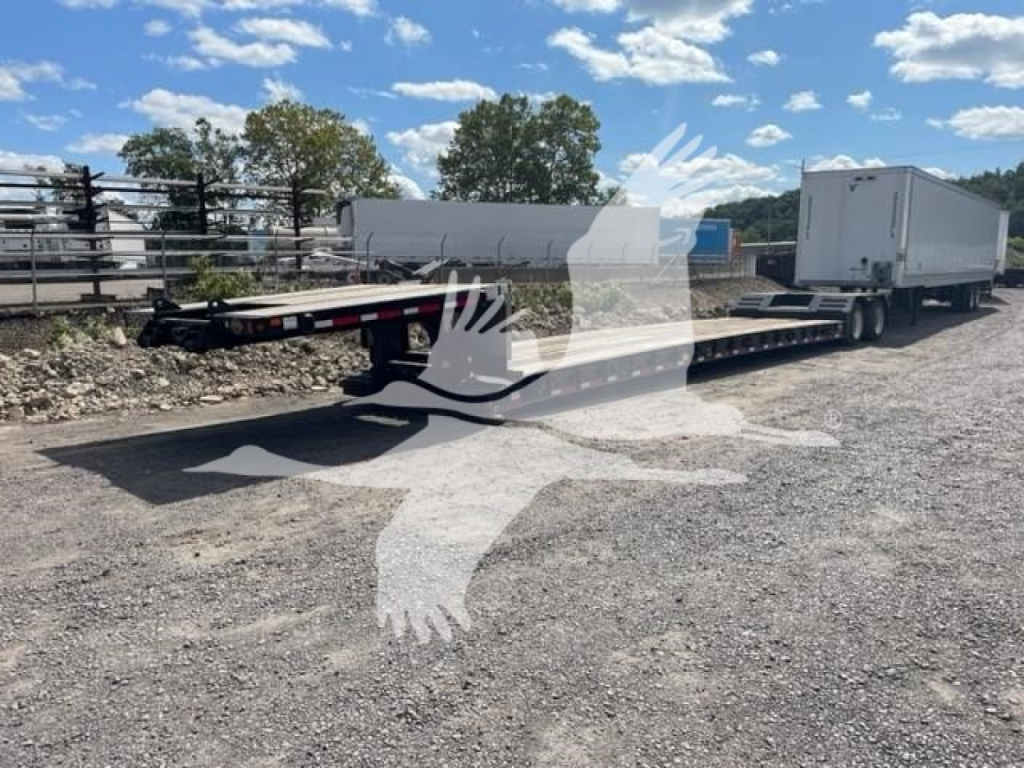
Not exactly. The terms are sometimes used loosely in the market because both are designed to carry taller freight lower to the ground. A double drop expandable has upper deck, main well, and rear deck sections with an extendable center portion. A lowboy usually refers to a detachable gooseneck or other specialized low platform design. The best choice depends on how you load, the weight of the freight, and whether you need removable neck access or simple length flexibility.