
Trailers For Sale Near Davenport, Iowa
Shop trailers for sale in Davenport, IA including dry vans, reefers, flatbeds, and double drops for freight, heavy haul, and regional fleets.
Learn more
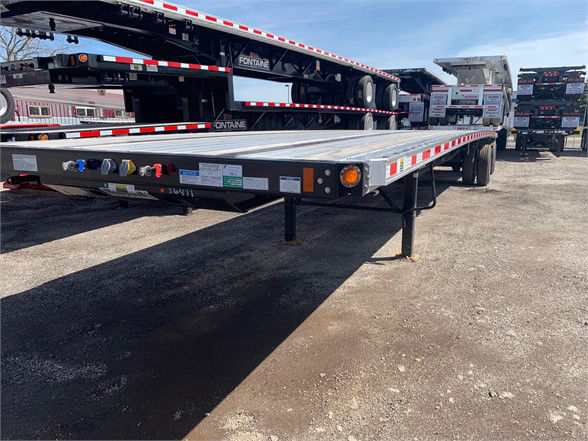
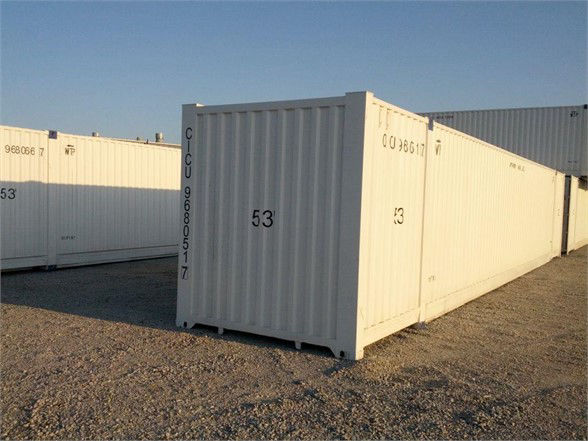
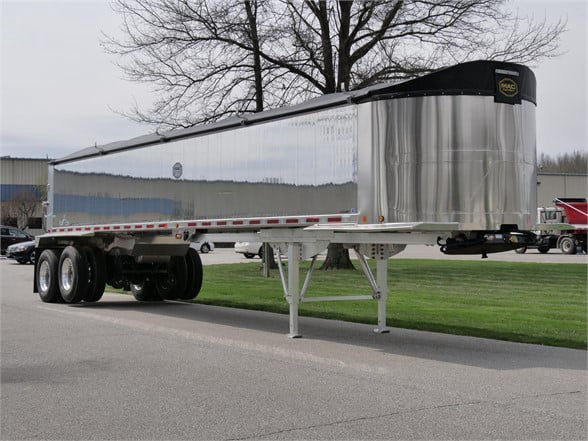
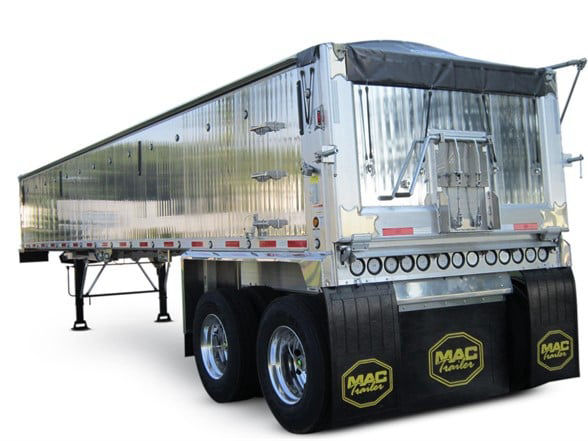
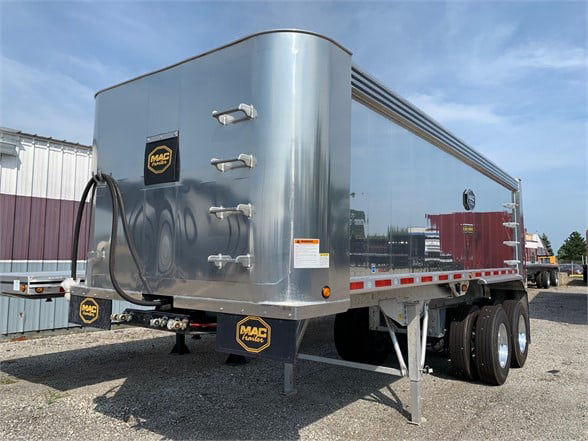
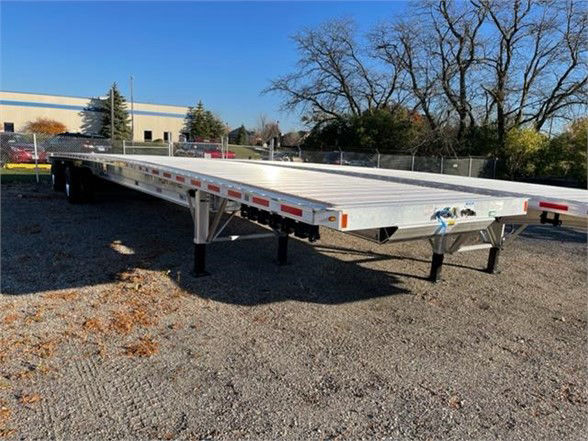
Showing 13 to 20 of 20 results
Have trailer to sell? List it here to reach thousands of buyers.
About Trailers Near Davenport, Iowa
Dry van trailers remain the standard for general freight because they protect cargo, simplify securement, and fit most dock operations. Key buying points include wall construction, floor rating, rear frame durability, logistics post spacing, door type, corrosion resistance, and trailer tare weight. Plate wall vans are popular for strength and clean interior walls, while galvanized components help reduce rust and improve long-term appearance in Midwest weather. Sliding tandems matter if you run mixed states or need flexibility for axle scaling, and tire inflation systems can help reduce irregular wear and roadside downtime on higher-mileage operations.
Reefer trailers add another layer of decision-making because thermal efficiency, floor design, and body integrity directly affect operating cost and cargo protection. Buyers should pay close attention to insulation quality, door seals, duct or ducted floor configuration, interior tracking such as E-track, and the amount of galvanized steel used in high-corrosion areas. A reefer with a smooth, well-built insulated body can reduce refrigeration unit run time and help hold tighter temperature control. For fleets hauling produce, frozen foods, dairy, pharmaceuticals, or other sensitive freight, trailer construction is just as important as the refrigeration unit itself.
Flatbeds and double drop trailers serve very different open-deck jobs, but both require close attention to load profile and securement needs. Aluminum flatbeds are often chosen for lower tare weight and better payload potential, while steel-heavy designs and double drops are better suited for concentrated loads, machinery, and taller freight that needs a lower loaded deck height. On double drops, buyers should look at clear deck length, loaded deck height, gooseneck style, swing radius, ground clearance, ramp design, and the availability of outriggers or flip axles for changing axle and weight requirements. If your work includes farm equipment, construction iron, or oversized machinery moving through Iowa and the surrounding Midwest, those details will determine how versatile the trailer is on permitted and non-permitted loads.
Frequently Asked Questions
What type of trailer is best for general freight in Iowa?
A dry van is usually the best fit for general freight because it protects palletized cargo from weather, road debris, and theft while working efficiently with standard loading docks. Most buyers look for a 53-foot tandem axle van with air ride suspension, 102-inch width, a durable wood floor, and sliding tandems for axle compliance across multiple states. Galvanized rear frames, logistics posts, and tire inflation systems also matter for long-term durability and lower operating cost.
How do I choose between a flatbed and a double drop trailer?
The decision comes down to cargo height, weight concentration, and loading method. A flatbed is the simpler and more versatile choice for steel, lumber, building products, and equipment that can ride at legal deck height. A double drop, also called a lowboy-style heavy haul trailer in some applications, is better for taller machinery and equipment because the well deck sits much lower than a standard flatbed deck. Buyers should compare deck height, clear deck length, axle spacing, gooseneck design, and securement features before deciding.
What should I look for in a reefer trailer besides the refrigeration unit?
The trailer body is critical on a reefer because poor insulation or weak construction can increase fuel use and reduce temperature control even with a strong unit up front. Important factors include panel construction, thermal efficiency, floor design, door seal quality, interior lining, corrosion protection, and cargo control options such as E-track. A well-built reefer trailer helps maintain setpoint temperatures, reduces unit cycling, and stands up better to washdowns, dock impacts, and year-round service.
Why do sliding tandems matter on a trailer?
Sliding tandems give you flexibility to adjust axle weight distribution and overall bridge compliance based on the state, the load, and the dock setup. They are especially useful on 53-foot vans and flatbeds that cross multiple jurisdictions with different bridge law enforcement patterns. A sliding tandem setup can also help improve maneuverability at docks when positioned correctly, although fixed tandem designs may be preferred in some dedicated or weight-sensitive operations.
Are aluminum trailers better than steel trailers?
Aluminum trailers usually offer lower tare weight, which can increase legal payload and improve corrosion resistance, making them popular for flatbeds and some van applications. Steel trailers typically provide a lower upfront cost and can be preferred where concentrated load strength or rugged heavy haul use is the priority. The better choice depends on the freight, annual mileage, maintenance practices, and whether payload or structural ruggedness is more important to your operation.