
Curtainside Trailers For Sale in Colorado
Shop curtainside trailers for hauling palletized, crated, and weather-sensitive freight with fast side access and flatbed-style loading flexibility.
Learn moreBrowse Curtainside Trailers by Make
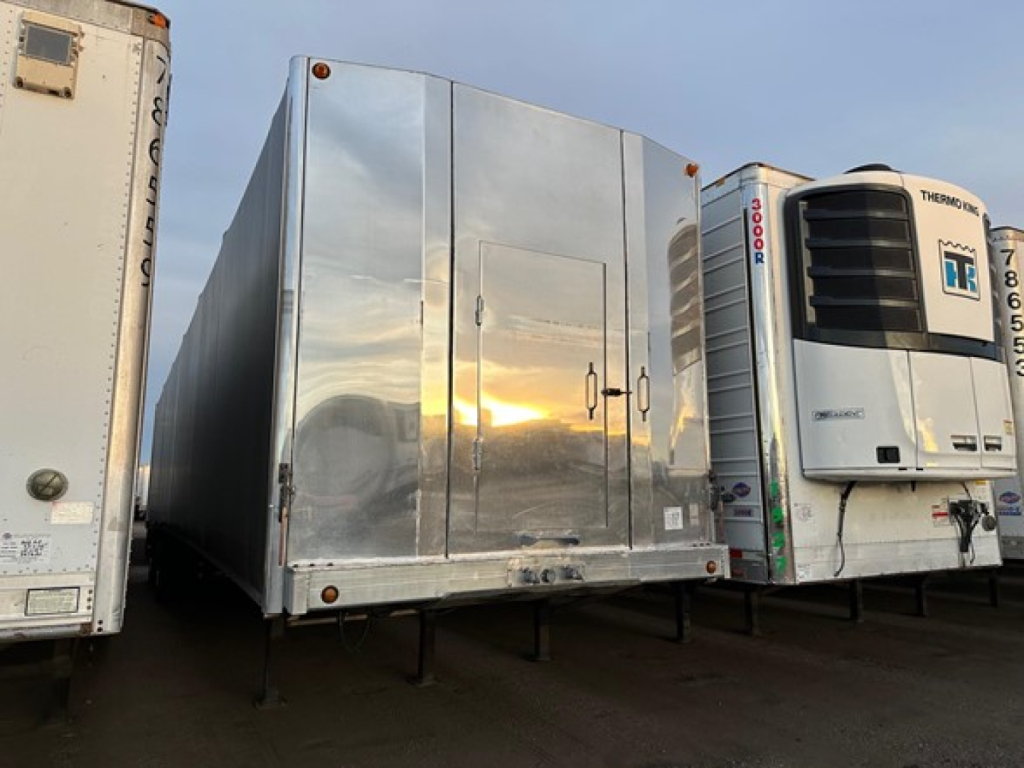
Have curtainside trailer to sell? List it here to reach thousands of buyers.
About Curtainside Trailers in Colorado
Buyers usually start with frame material, curtain system design, and cargo securement. Aluminum trailers help reduce tare weight and increase payload, while steel or combo construction may appeal to fleets prioritizing durability in tougher daily service. Curtain tracking, buckle and tensioning hardware, rear door style, and roof structure all matter because they affect how quickly the trailer cycles and how well it holds up under repeated side loading. Look closely at floor type, side posts, scuff protection, stake pockets, winch tracks, and coil package provisions if the trailer will handle mixed freight instead of strictly palletized loads.
Common curtainside specs include 48-foot and 53-foot lengths, 102-inch width, tandem or spread axle configurations, and air ride suspension. Many units are set up for forklift access from either side and can be loaded from the rear like a standard van. Securement details are a major buying point. Some curtainsides are optimized for general freight, while others are equipped more like a flatbed with sliding winches, internal straps, load bars, or specialized tiedown points. A buyer in Colorado should pay attention to curtain condition, roof seal integrity, and door hardware because wind, snow, UV exposure, and elevation swings can be hard on fabric systems and moving components.
The best curtainside trailer is the one matched to the freight, not just the dimensions. Beverage, building products, industrial pallet freight, packaged materials, and machinery components are all common applications, but load profile and loading method should drive the decision. Check legal payload against trailer tare weight, inspect curtain wear points and buckle lines, verify suspension and axle spec for your lanes, and confirm the securement system matches your customers' freight requirements. A well-spec'd curtainside can shorten loading time, protect cargo, and give a fleet much of the versatility of a flatbed without the constant tarp labor.
Frequently Asked Questions
What is a curtainside trailer used for?
A curtainside trailer is used to haul freight that benefits from side loading but still needs weather protection during transport. Common loads include palletized products, building materials, packaged industrial goods, machinery components, and other freight that can be loaded by forklift from the side or rear. It fills the gap between a flatbed and a dry van by allowing quick cargo access without fully exposing the load to the elements in transit.
What should I inspect on a used curtainside trailer?
Focus on the curtain fabric, tracking system, buckles, tensioners, roof structure, rear door hardware, and floor condition. Check for tearing, UV degradation, failed stitching, bent rails, water intrusion, and wear at repeated contact points. Also inspect axle and suspension condition, brake components, tire wear, and the cargo securement setup to make sure the trailer matches the freight you plan to haul.
Are curtainside trailers considered the same as flatbeds?
No, but they share some of the same loading advantages. A curtainside trailer offers side access similar to a flatbed while providing enclosed weather protection with movable side curtains and a fixed roof structure. Many buyers compare them to flatbeds because they can often be loaded from the side with a forklift, but curtainsides have different securement requirements, structural components, and maintenance points.
What freight works best in a curtainside trailer?
Freight that is palletized, crated, unitized, or irregular enough to benefit from side access is usually a strong fit. Building products, paper products, beverages, packaged raw materials, and high-value freight that should stay covered are common examples. Very heavy concentrated loads or freight requiring highly specialized securement may call for a flatbed, drop deck, or dedicated platform trailer instead.
Why do curtainside trailer specs matter in Colorado?
Colorado operations put extra emphasis on weather exposure, mountain routes, and wide temperature swings. Curtain material condition, roof sealing, door function, suspension quality, and brake performance matter because wind, snow, road spray, and elevation changes can accelerate wear and affect daily usability. Buyers running Front Range distribution, regional mountain lanes, or mixed interstate freight should also consider tare weight and axle configuration for payload and handling.