
Benson Curtainside Trailers For Sale in Pennsylvania
Shop Benson curtainside trailers for freight that needs weather protection with side access, strong specs, and fast loading versatility.
Learn more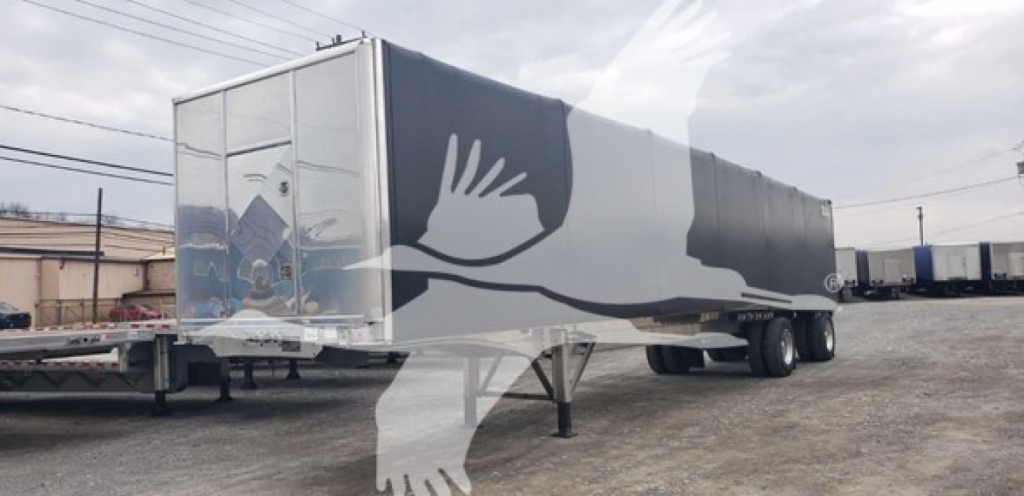
Have benson curtainside trailer to sell? List it here to reach thousands of buyers.
About Benson Curtainside Trailers in Pennsylvania
One of the first things to evaluate is the base trailer spec under the curtain system. Benson is well known for lightweight aluminum construction, so buyers should pay close attention to deck length, width, floor type, crossmember spacing, side rail design, and kingpin setting. Common specs in this class include 48-foot by 102-inch dimensions, aluminum floors, Apitong nailer strips, air ride suspension, and tandem axle layouts. If the trailer is fitted with a Conestoga-style rolling tarp system, check inside clearance, rear opening dimensions, crank mechanism condition, bow alignment, and tarp wear. The enclosure system matters just as much as the running gear because torn curtains, bent tracks, or hard-tracking rollers can slow loading and create cargo claims.
In Pennsylvania and the broader Northeast, curtainside trailers are especially useful for mixed freight lanes where weather changes fast and delivery points may not have dock access. Side loading is a real operational advantage in urban yards, jobsite deliveries, and regional LTL-style applications where freight needs to be accessed in sequence. Buyers should also look closely at suspension brand and rating, brake condition, tire size, wheel material, and any coil package or load securement hardware already installed. Winch tracks, sliding winches, chain racks, bulkheads, pipe spools, and rear access details can make a major difference depending on whether the trailer will stay in dry freight service or handle heavier flatbed-type loads under cover.
The best Benson curtainside trailer for sale is usually the one that balances tare weight, side access, and enclosure durability with the freight you actually haul. A lighter all-aluminum platform can improve payload, but buyers still need to confirm structural condition around the rear frame, landing gear mounts, suspension hangers, and crossmembers. If the trailer has spent time in road salt regions, inspect corrosion points carefully, especially on mixed-material hardware and moving curtain components. For fleets and owner-operators alike, this category fits operations that want faster loading than a van, better cargo protection than an open deck, and more versatility than a standard flatbed trailer.
Frequently Asked Questions
What is the difference between a curtainside trailer and a Conestoga trailer?
A curtainside trailer uses flexible side curtains that slide open for side access while the roof structure remains in place. A Conestoga-style trailer uses a rolling frame and tarp assembly that retracts to expose the deck more like a flatbed. In the Benson category, some listings may be described as curtainside even when they are built on a flatbed platform with a Conestoga tarp system, so buyers should confirm exactly how the enclosure opens, how much side and top access it provides, and what freight securement method it is designed to support.
What should I inspect first on a used Benson curtainside trailer?
Start with the curtain or tarp system, then move to the trailer structure underneath. Inspect curtain fabric, buckles, rollers, tracks, bows, rear frame alignment, and any crank or sliding mechanism for smooth operation. After that, check the aluminum floor, crossmembers, side rails, kingpin area, suspension, brakes, tires, and landing gear. On trailers used in Pennsylvania and other Northeast states, corrosion around hardware, fasteners, and steel subcomponents deserves extra attention.
Are Benson curtainside trailers good for steel, building products, and machinery?
They can be, provided the trailer has the right deck rating and securement package. Many Benson platforms are popular because their aluminum construction keeps tare weight down, but buyers still need to verify winch tracks, sliding winches, chain storage, bulkhead configuration, coil package, and floor condition. For heavier or concentrated loads, confirm axle ratings, suspension spec, and crossmember spacing so the trailer matches the freight profile instead of just the loading style.
Why do buyers choose a curtainside trailer instead of a dry van?
The main reason is side access. A curtainside trailer can be loaded and unloaded by forklift from the side, which speeds up handling for palletized or irregular freight and helps at locations without a loading dock. It also provides weather protection that an open flatbed cannot. Compared with a dry van, it is often better suited for freight that is awkward to load through rear doors or needs partial access at multiple stops.
Does an aluminum Benson trailer offer enough durability for regional and highway use?
Yes, Benson trailers have a strong reputation for lightweight aluminum construction in demanding freight service. The benefit is lower tare weight and potential payload gain, but condition matters more than material alone on a used trailer. Buyers should inspect weld integrity, floor wear, side rail condition, rear impact area, suspension attachment points, and any signs of repairs. A well-maintained aluminum Benson can be a very efficient platform for regional and over-the-road work.