
CPS Trailers For Sale
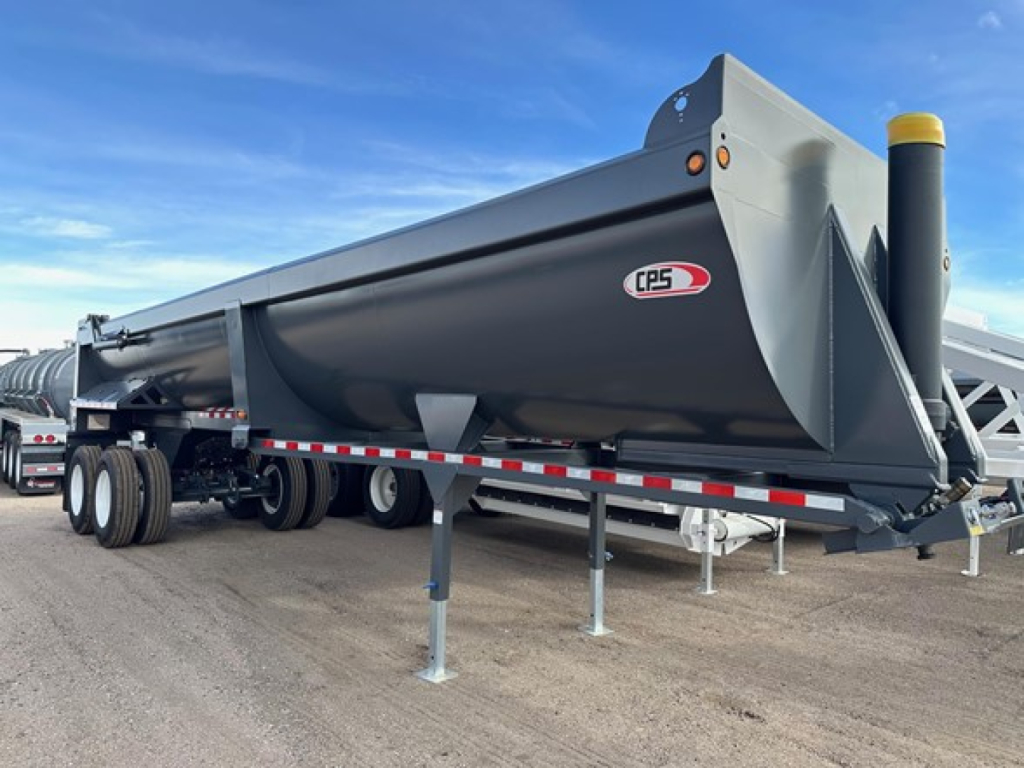
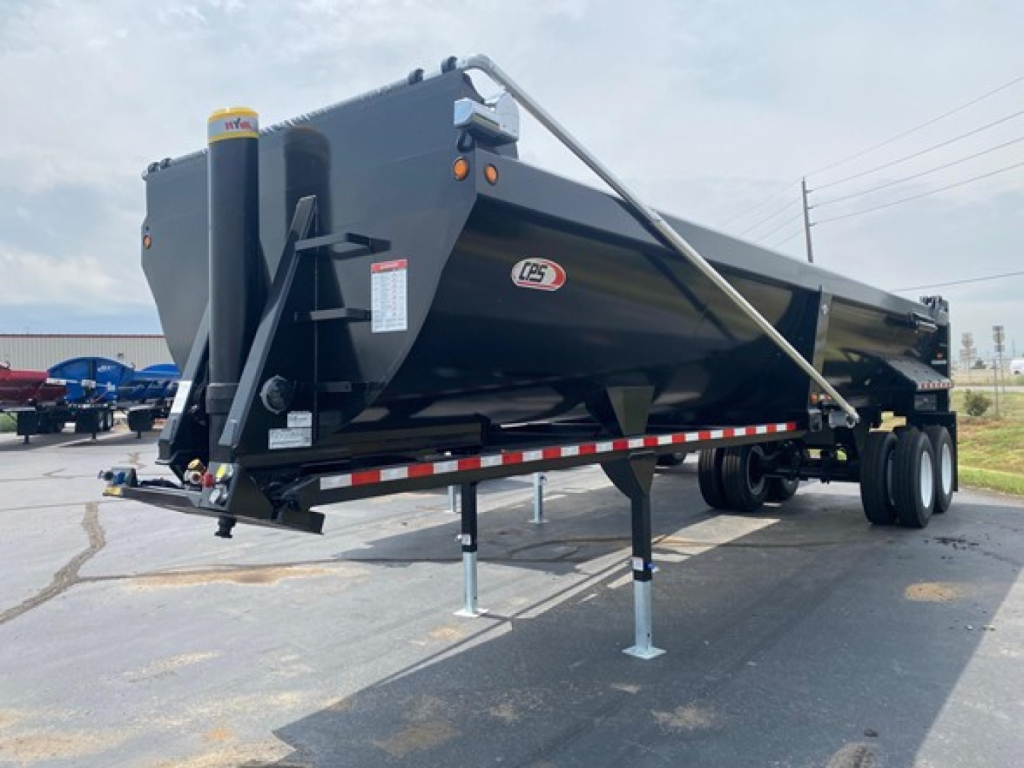
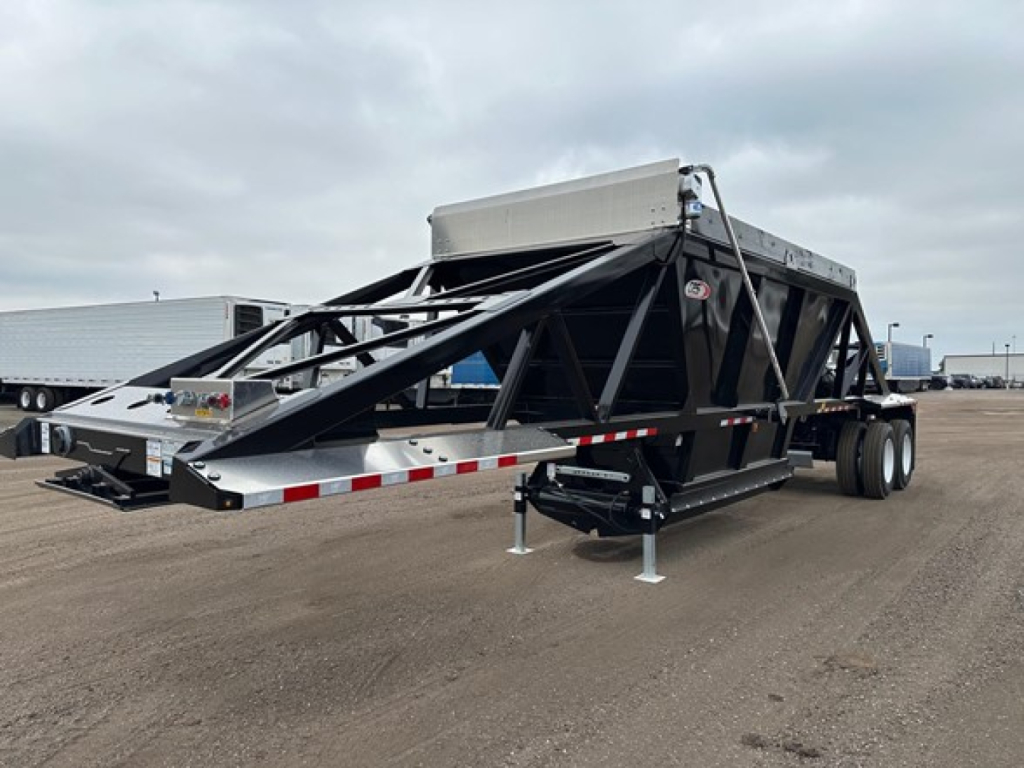
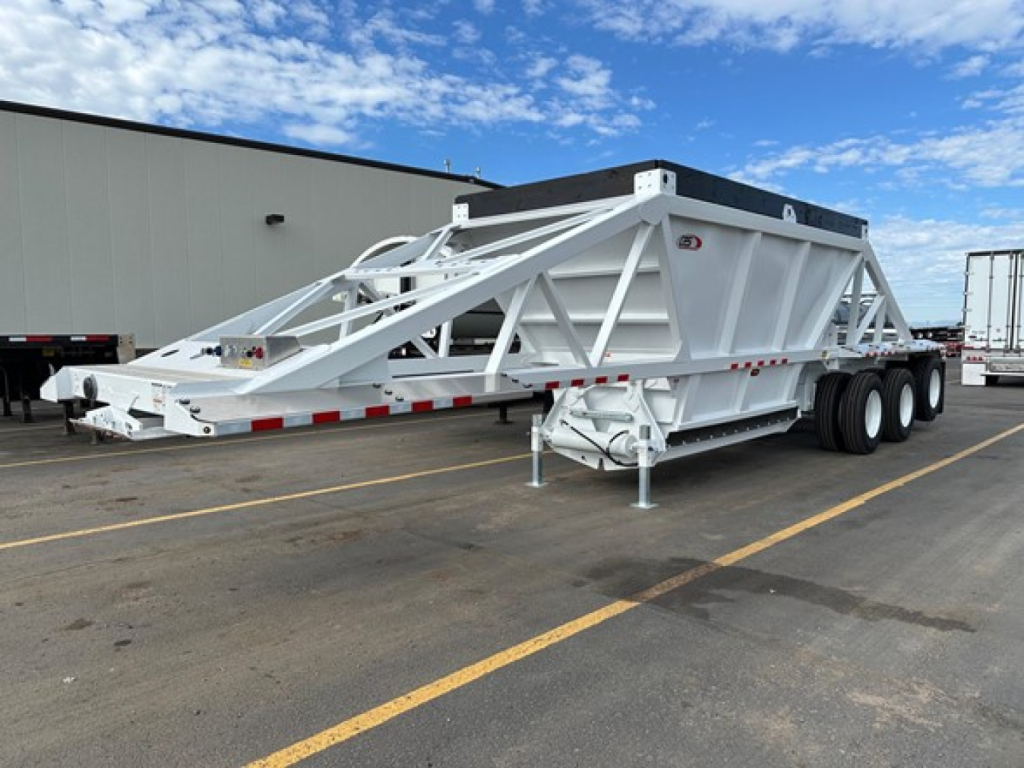
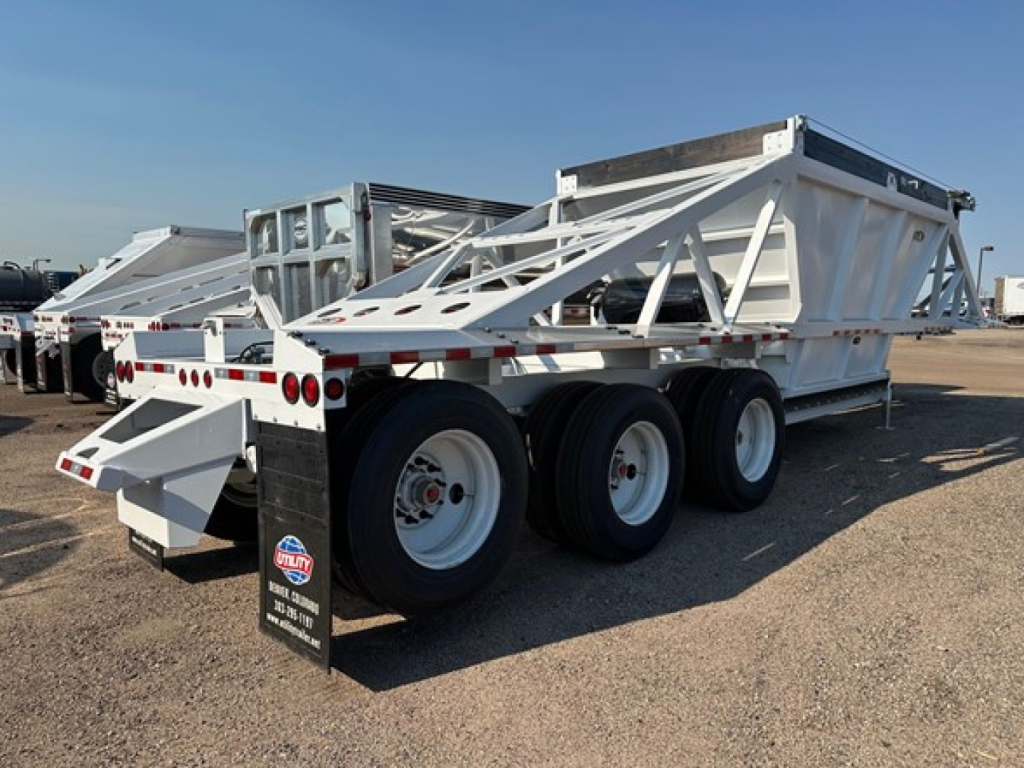
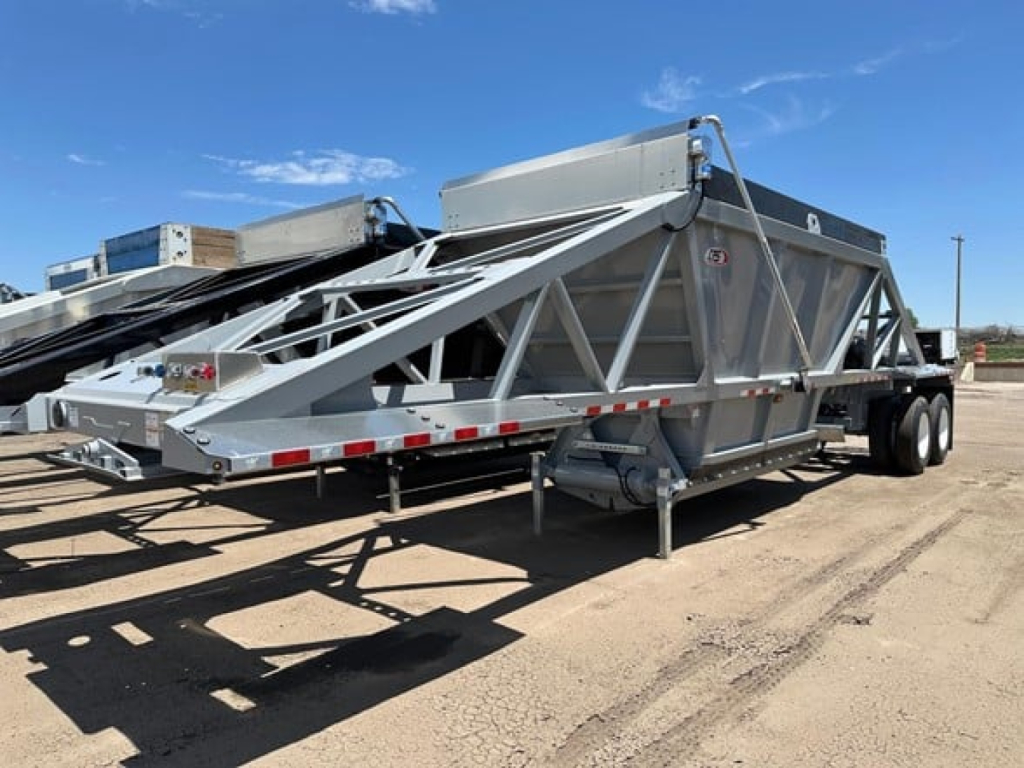
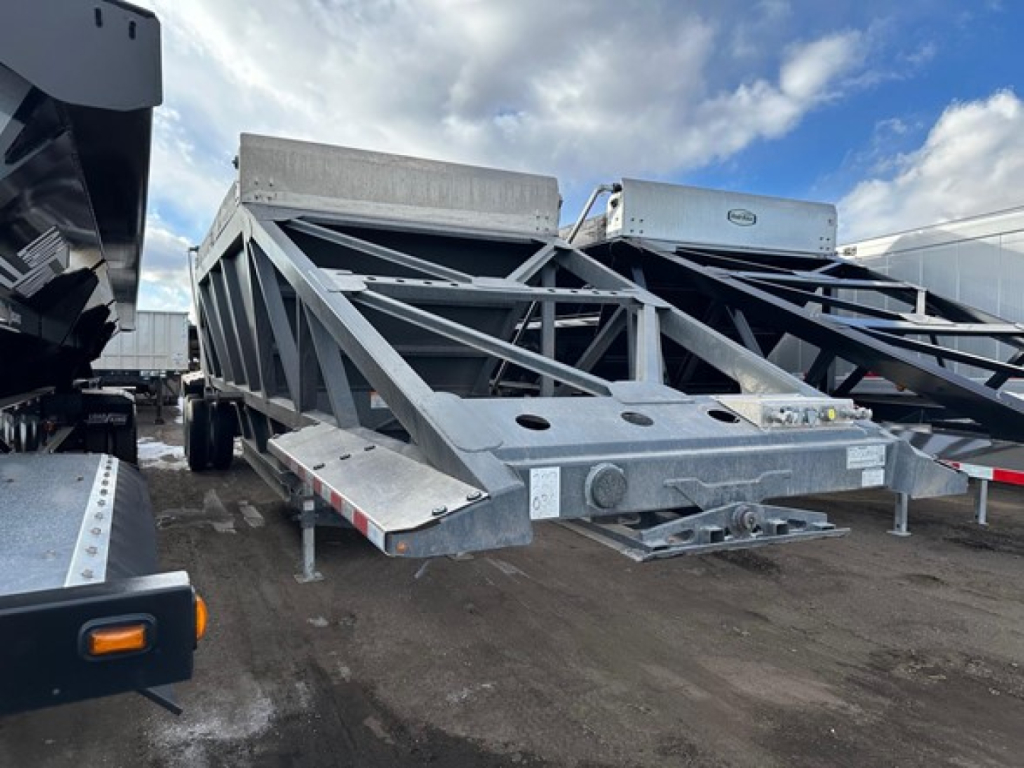
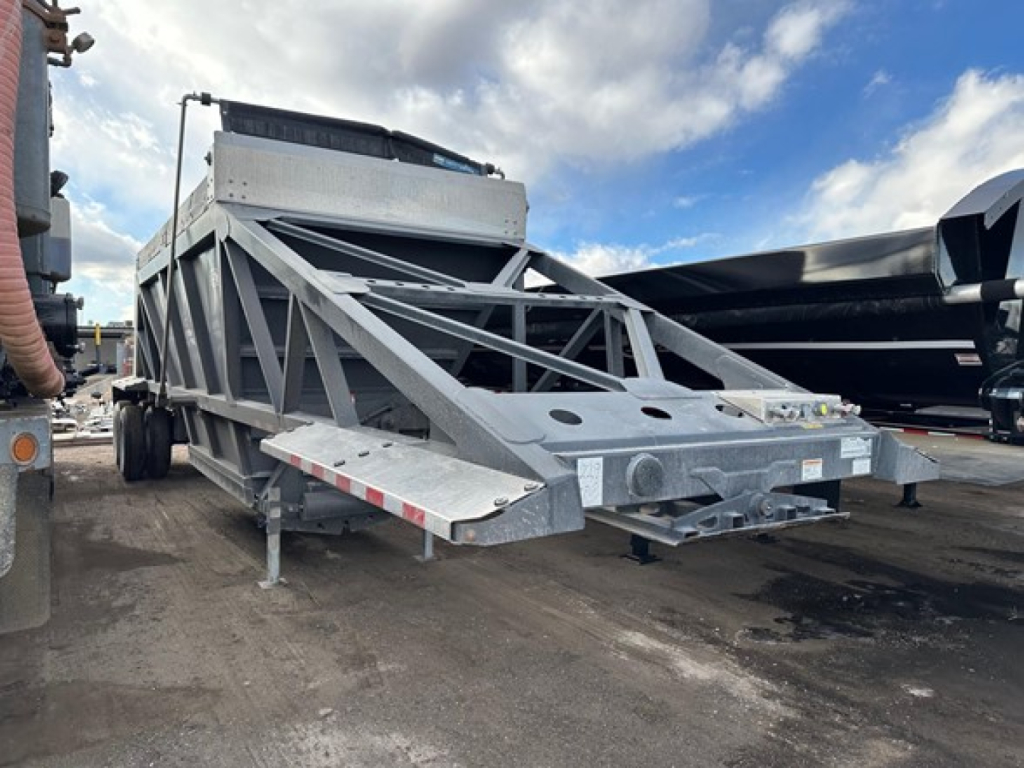
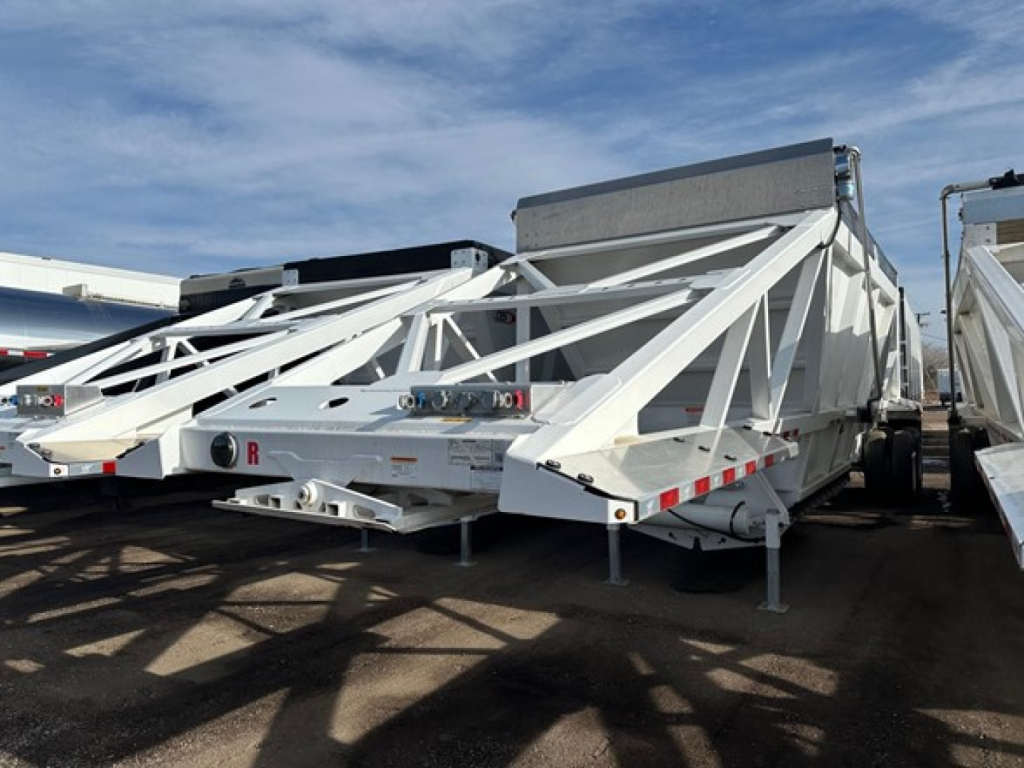
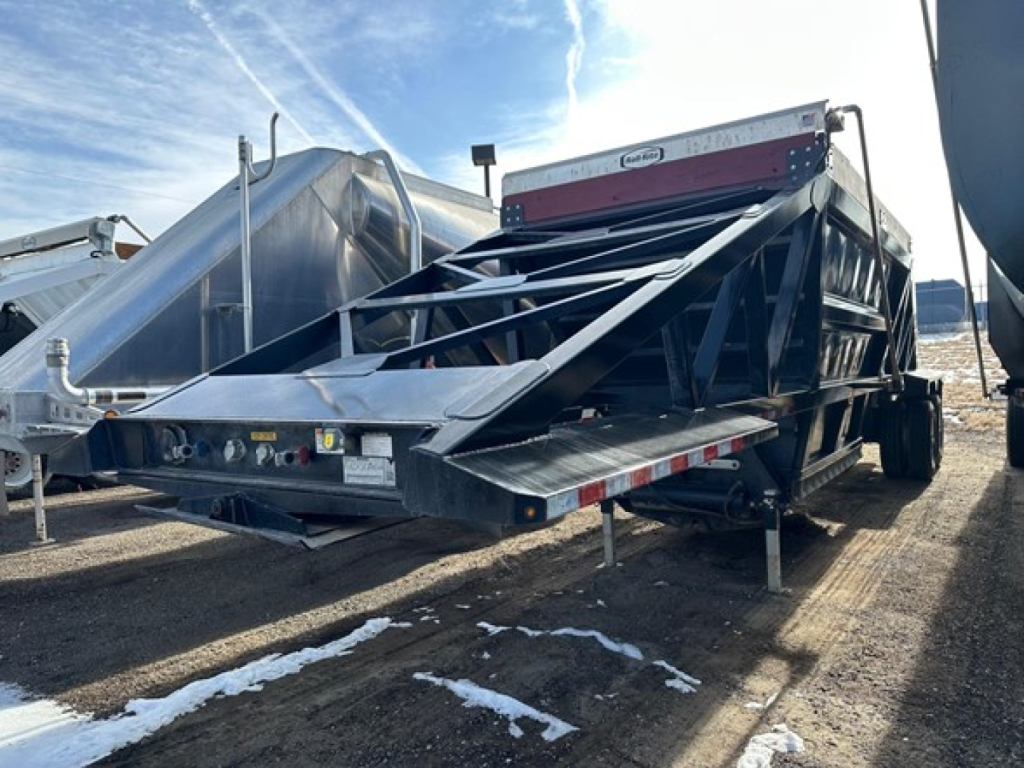
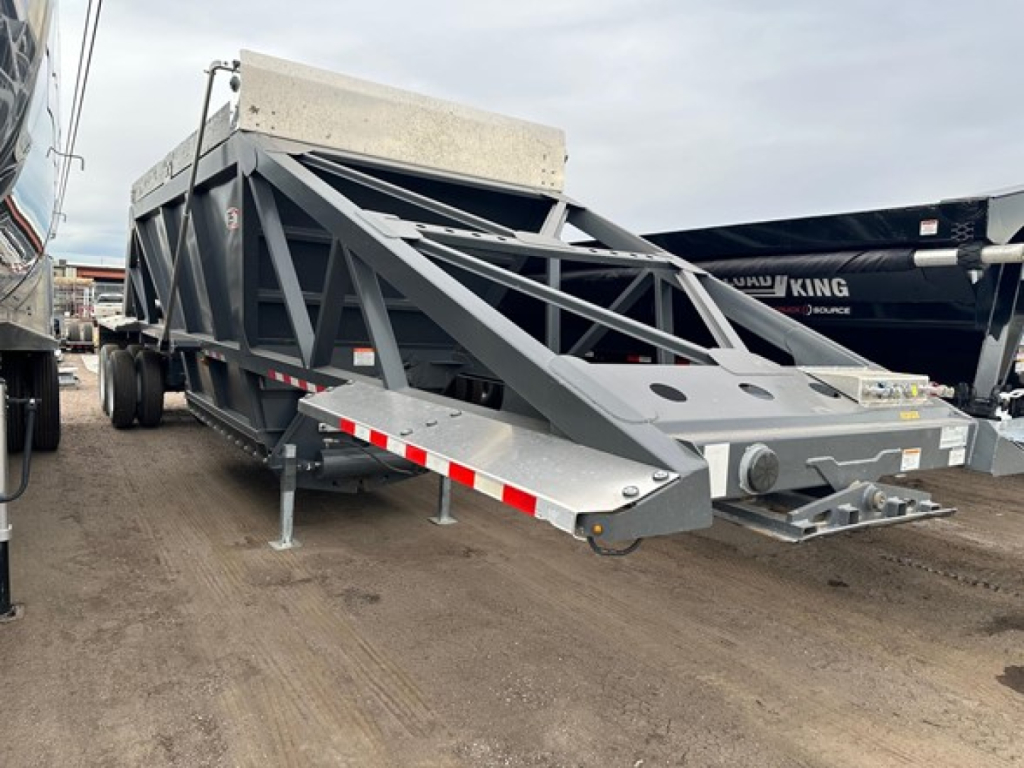
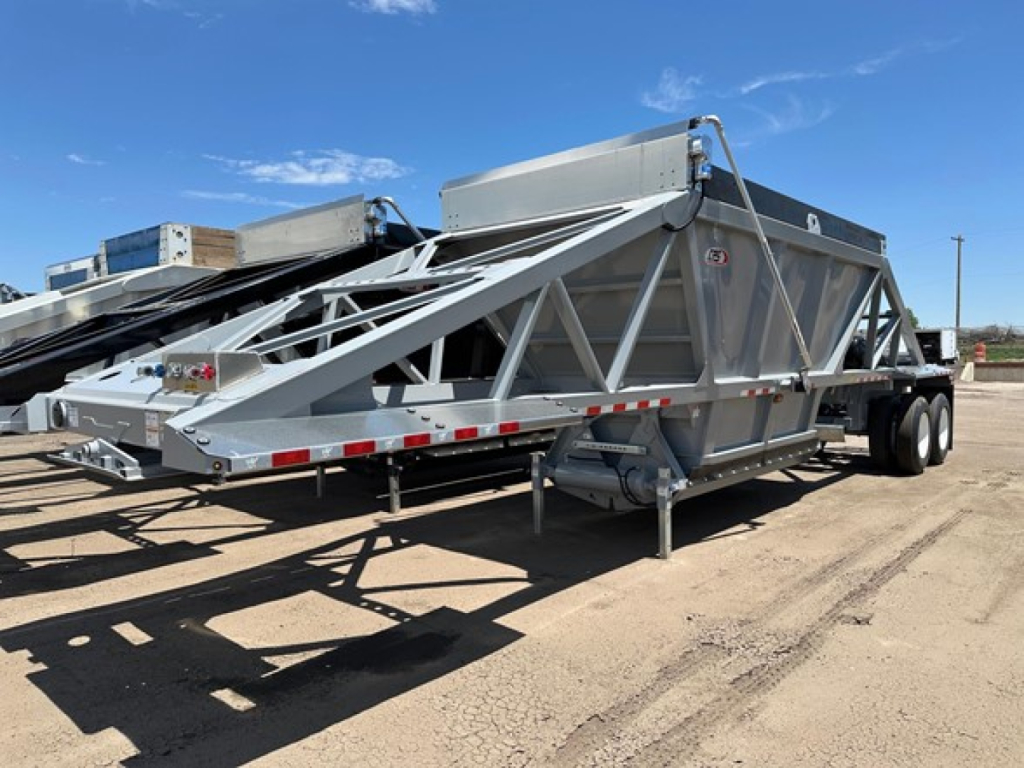
Browse CPS bottom dump trailers with common specs like 40-42 ft lengths, air ride, tandem or tri-axle setups, and 23-yard capacity.
Learn moreBrowse CPS Trailers by Category
Showing 1 to 12 of 17 results
Have cps trailer to sell? List it here to reach thousands of buyers.
About CPS Trailers
Common CPS bottom dump specs include 40-foot to 42-foot lengths, air ride suspension, steel construction, steel wheels, and 11R24.5 tires. Many units are set up with a single hopper and around 23 cubic yards of dry volume, which is a familiar capacity point for contractors hauling dirt, gravel, crushed stone, and similar materials. Features such as pin setting gate limiters, versa valves, windrow deflectors, bang boards, and electric flip tarps are important because they directly affect material control, cycle time, and ease of operation. A trailer with predictable gate response and good tarp function will usually save time on paving and aggregate jobs where consistency matters.
Suspension and frame setup deserve close attention. Air ride is popular on CPS bottom dumps because it improves ride quality, helps protect the trailer under repeated jobsite-to-highway use, and can be beneficial when hauling variable-density loads. Buyers should also look at push block design, fender configuration, and overall trailer weight. A lightweight bottom dump can increase payload potential, but it still needs to be matched to the intended material, road conditions, and daily duty cycle. If the trailer will spend most of its time on rough access roads or quarry routes, overall structural design and component durability matter as much as tare weight.
The best CPS trailer choice usually comes down to how precisely you need to lay material, what your legal payload targets are, and the states or counties where the trailer will run. A 40-foot tandem air ride bottom dump is a common fit for general construction fleets, while a 42-foot tri-axle with a rear lift axle may make more sense for heavier hauling programs or operations balancing payload with axle compliance. Buyers comparing listings should focus on gate controls, hopper configuration, suspension, axle spacing, tire spec, tarp system, and signs of wear around hinges, cylinders, and discharge components. In this trailer class, material flow and structural condition are what determine day-to-day productivity.
Frequently Asked Questions
What is a CPS bottom dump trailer best used for?
A CPS bottom dump trailer is best used for hauling and controlled unloading of aggregate materials such as sand, gravel, crushed rock, road base, and similar construction products. Because the material discharges through gates in the bottom of the trailer, it is especially effective for laying windrows on road jobs, feeding spread operations, and unloading in places where an end dump would be limited by overhead clearance or tip-over risk.
What is the difference between a tandem axle and tri-axle CPS bottom dump trailer?
A tandem axle CPS bottom dump trailer is typically lighter, simpler, and less expensive to maintain, which can make it a strong choice for general construction hauling. A tri-axle trailer, especially one with a lift axle, can support higher gross weight ratings and may help meet axle distribution requirements in certain states or applications. The right choice depends on local bridge laws, payload goals, and how often the trailer runs loaded on public roads versus private job routes.
Why do features like pin setting gate limiters and versa valves matter on a bottom dump?
These features matter because they affect how accurately and consistently the trailer unloads material. Pin setting gate limiters help control the opening size of the gates, which is important when laying a uniform windrow. A versa valve helps the operator manage discharge functions efficiently. On paving support or aggregate placement work, precise gate control can reduce waste, improve spread consistency, and shorten unloading time.
Is air ride suspension a good choice on a CPS bottom dump trailer?
Air ride suspension is a common and practical choice on a CPS bottom dump because it generally improves ride quality and can reduce shock loading on the trailer during highway travel and mixed jobsite use. It can also help with load stability and overall component life when the trailer sees regular back-and-forth use between plants, pits, and active construction sites. Buyers should still inspect suspension condition, bushing wear, and axle alignment on any used unit.
What should I inspect first on a used CPS bottom dump trailer?
Start with the discharge system and structure. Check the hopper, gate assemblies, hinges, cylinders, linkage, and seals for wear, repairs, or uneven operation. Then inspect the frame, suspension, axle alignment, wheel ends, tires, tarp system, lights, and push block area. On a bottom dump, smooth gate function and solid structural integrity are more important than cosmetic appearance because those two areas have the biggest impact on uptime and unloading performance.