
CIMC Container Trailers For Sale in Iowa
Shop CIMC container trailers for sale, including domestic container chassis and transport solutions built for port, rail, drayage, and regional freight.
Learn more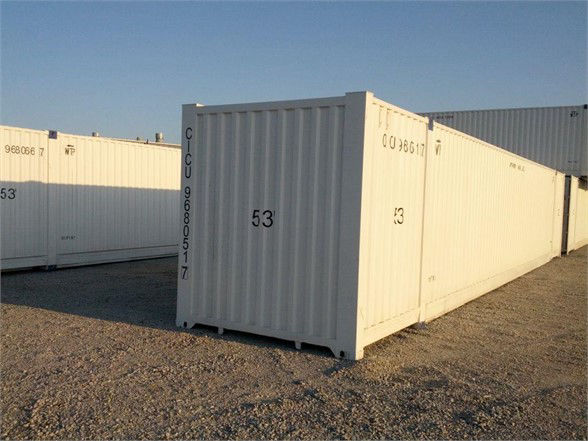
Have cimc container trailer to sell? List it here to reach thousands of buyers.
About CIMC Container Trailers in Iowa
For container hauling, frame configuration and connection points matter as much as overall trailer length. A buyer should confirm ISO container compatibility, twist lock layout, slider or fixed tandem arrangement, and the kingpin setting needed for local and interstate compliance. In Iowa and across the Midwest, that often means paying close attention to axle spacing, tare weight, and how the trailer balances heavier domestic loads on highway runs versus lighter international boxes in drayage service. Crossmember strength, steel construction, floor rating, and corrosion resistance also matter, especially for operators handling repeated loading cycles, yard stacking, or rough terminal surfaces.
CIMC equipment in this category may include container chassis or domestic container transport solutions designed for dry freight use. Many buyers also compare details like radial tire spec, wheel material, ABS configuration, lighting type, and suspension setup, since these directly affect maintenance cost and uptime. Air ride can help protect sensitive loads and improve road manners, while spring ride may appeal to fleets prioritizing simplicity. If the operation includes drop lots, port congestion, or frequent chassis pool interchange, it is worth checking landing gear durability, rear impact guard condition, brake component standardization, and the availability of common replacement parts.
The best CIMC container trailer choice depends on where the unit will spend its time. Short-haul drayage operations often prioritize maneuverability, durability, and easy container loading, while longer regional lanes put more emphasis on highway stability, weight distribution, and minimizing empty trailer weight. Buyers should also verify container securement hardware, inspect the frame for twist or corrosion, and confirm that the trailer meets the dimensions and container types used by their shippers and terminals. A well-matched container trailer keeps turn times down, reduces compliance headaches, and fits cleanly into intermodal and domestic freight operations.
Frequently Asked Questions
What should I check first when buying a CIMC container trailer?
Start with container compatibility. Confirm the trailer is set up for the container lengths and types your operation handles, such as 20-foot, 40-foot, 45-foot, or 53-foot domestic equipment. Then verify twist lock placement, kingpin setting, axle configuration, and tandem position so the trailer can meet bridge and state length requirements on your regular lanes. These details affect legality, payload balance, and whether the trailer will work smoothly at the terminals you use.
Are CIMC container trailers used mainly for port drayage or highway freight?
They can serve both, but the right setup depends on the job. Port and rail drayage operations usually need durable chassis-style equipment that can handle frequent loading cycles, tight turns, terminal surfaces, and repeated container swaps. Highway and regional freight operations often place more value on weight distribution, stable tracking, and compatibility with heavier domestic containers. The intended route structure should guide the spec more than the brand name alone.
How important is trailer weight on a container trailer?
Trailer tare weight is very important because it directly affects payload and axle loading. A lighter trailer can help maximize legal freight weight, but it still needs enough structural strength for repeated lifts, loaded container support, and terminal handling. Buyers should compare empty weight against frame construction, crossmember design, and floor or deck-related ratings where applicable. The best choice is usually the lightest configuration that still matches the abuse level of the operation.
What maintenance areas matter most on a used container trailer?
Focus on the frame, twist locks, suspension, brakes, tires, wiring, and corrosion-prone areas. Container equipment sees concentrated stress at connection points and from repeated loading, so inspect for cracks, elongation around mounting areas, rust scale, and any signs of frame twist. Brake standardization and common parts availability also matter because intermodal equipment can cycle through high-use environments where downtime adds up quickly. A careful inspection of securement hardware is especially important because container retention is a core safety item.
Can a CIMC container trailer handle domestic 53-foot containers?
Some can, but not every container trailer or chassis is configured for domestic 53-foot service. Buyers need to verify exact length compatibility, load rating, and the securement layout for domestic containers, which differ from standard international boxes in both dimensions and operating use. Domestic 53-foot applications also bring different weight distribution and route compliance considerations, so the trailer should be checked against the freight, roads, and terminals it will actually serve.