
Trailers For Sale Near Caledonia, Wisconsin
Shop trailers for sale in Caledonia, WI including dry vans, flatbeds, drop decks, and lowboys for freight, building materials, and heavy haul.
Learn more
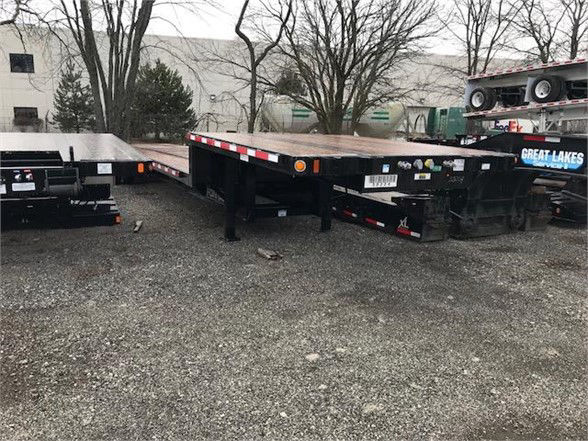
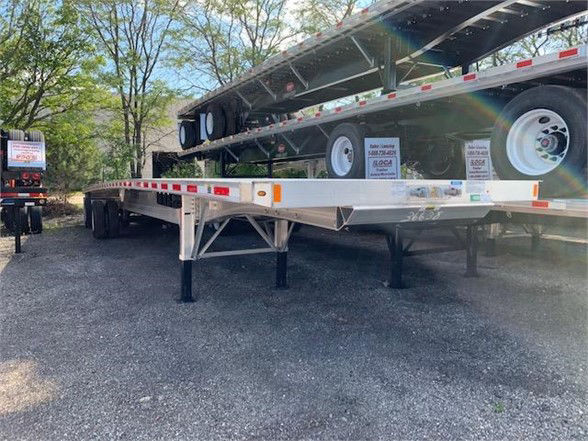
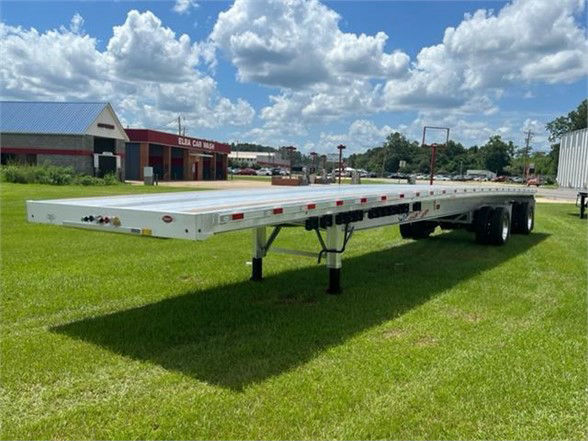
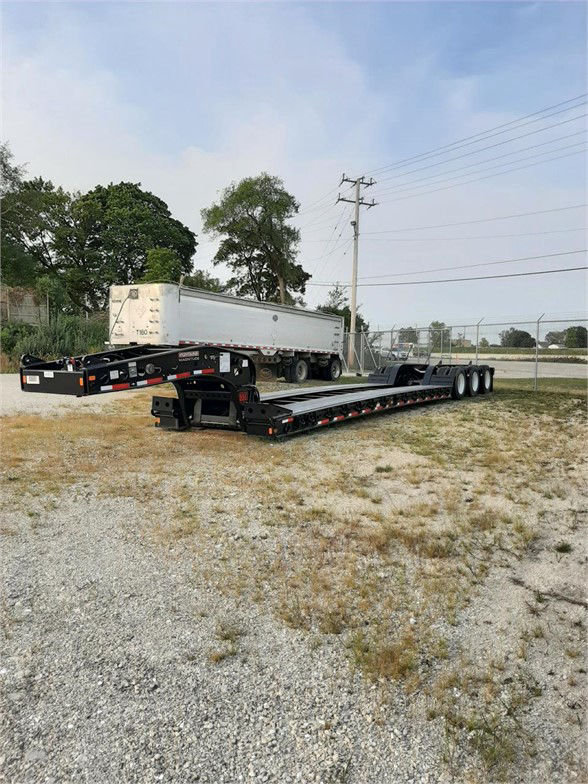
Showing 13 to 21 of 21 results
Have trailer to sell? List it here to reach thousands of buyers.
About Trailers Near Caledonia, Wisconsin
Dry vans remain the standard for palletized freight, retail loads, and dock-to-dock operations. Key specifications include plate wall versus post-and-sheet construction, swing or roll door setup, wood floor condition, logistics post spacing, and corrosion protection in the rear frame and threshold area. Air ride suspension is common for ride quality and cargo protection, and many fleets now look for tire inflation systems, galvanized components, and sliding tandems to improve maintenance control and loading flexibility. For a buyer focused on freight efficiency, trailer tare weight, floor durability, and rear frame repairability matter just as much as purchase price.
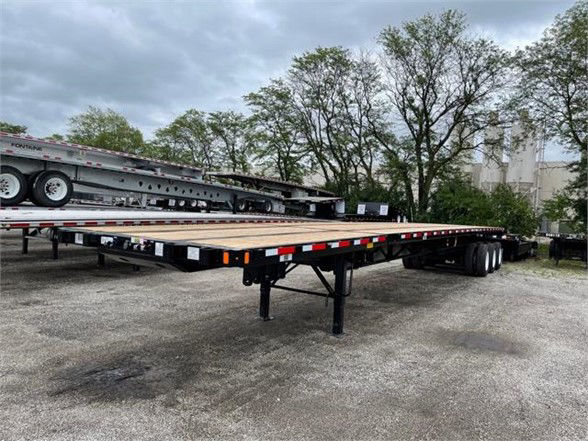
Flatbeds and drop decks, also known as step deck trailers, are selected around securement needs and legal load height. A 48-foot flatbed with combination or all-aluminum construction can reduce tare weight and improve payload, while steel models are often chosen for hard use and lower upfront cost. Buyers should pay close attention to crossmember spacing, main beam ratings, kingpin setting, winch track configuration, coil package features, chain tie placement, and side rail design. Spread axle setups are common on flatbeds and step decks because they help distribute load and support heavier legal payloads, but they can add scrub in tight turns. Air ride suspension, aluminum wheels, and durable landing gear packages are frequent spec points in this category.
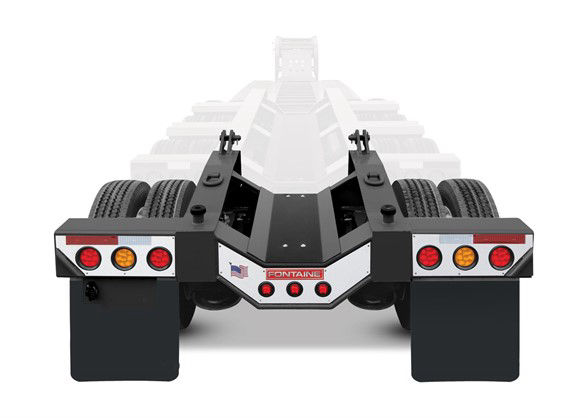
Lowboy trailers are built for machinery, oversize loads, and concentrated weight that a standard deck trailer cannot handle. Important details include loaded deck height, ground clearance, neck style, axle spacing, ride height adjustment, outriggers, ramp arrangement, and compatibility with flip axles or booster-style configurations. Buyers hauling iron, paving equipment, or specialized construction machines should evaluate capacity in the deck well, not just the headline ton rating. Across all trailer types, the smartest purchase is the one that fits the freight, routes, and permit environment you run every week, while keeping maintenance practical and resale value strong.
Frequently Asked Questions
What type of trailer is best for general freight hauling?
For general freight, a dry van is usually the best fit because it protects cargo from weather, theft, and road debris while working efficiently in dock loading environments. Flatbeds are better suited to freight that can be loaded by crane or forklift from the side, such as lumber, steel, machinery, or building products. If your loads regularly exceed standard legal height on a flatbed, a drop deck can create the extra deck clearance needed without moving into specialized heavy haul equipment.
What is the difference between a flatbed, drop deck, and lowboy trailer?
A flatbed has a full-height open deck and is used for general open-deck freight. A drop deck, also called a step deck, has an upper deck and a lower main deck so it can haul taller cargo while staying within legal height limits. A lowboy has a much lower deck height and is designed for heavy equipment and concentrated loads that require lower center of gravity, greater deck well capacity, and heavy haul axle configurations.
Should I choose tandem, spread, or tri-axle trailer setup?
Tandem axles are common for van trailers and many standard applications because they are simpler to maneuver and usually easier on tires in tight areas. Spread axles are popular on flatbeds and step decks because they can improve legal weight distribution and payload potential, but they tend to scrub more in turns. Tri-axle setups are generally used for specialized or heavy applications where additional capacity and load distribution are required, especially in lowboy and heavy haul service.
What specs matter most when buying a used or new trailer?
The most important specs depend on the trailer type, but buyers should consistently review trailer length, width, tare weight, suspension type, axle configuration, frame construction, floor condition, and kingpin setting. On open-deck trailers, securement features such as winch tracks, chain ties, coil package options, and side rail strength are critical. On dry vans, door type, floor wear, logistics post spacing, rear frame condition, and corrosion protection often have the biggest impact on long-term operating cost.
Why does trailer construction material matter?
Construction material affects payload, durability, repair methods, and resale value. All-aluminum trailers generally weigh less and can help maximize payload, which is valuable in freight segments where every pound counts. Combination trailers use steel where strength is needed and aluminum where weight savings matter, giving many fleets a practical balance. All-steel trailers are often chosen for severe-duty applications because of their toughness and lower initial cost, though they typically carry more tare weight.