
Trailers For Sale Near Aurora, Illinois
Browse trailers for sale in Aurora, IL including dry vans, storage trailers, and flatbeds with common specs, applications, and buying tips.
Learn more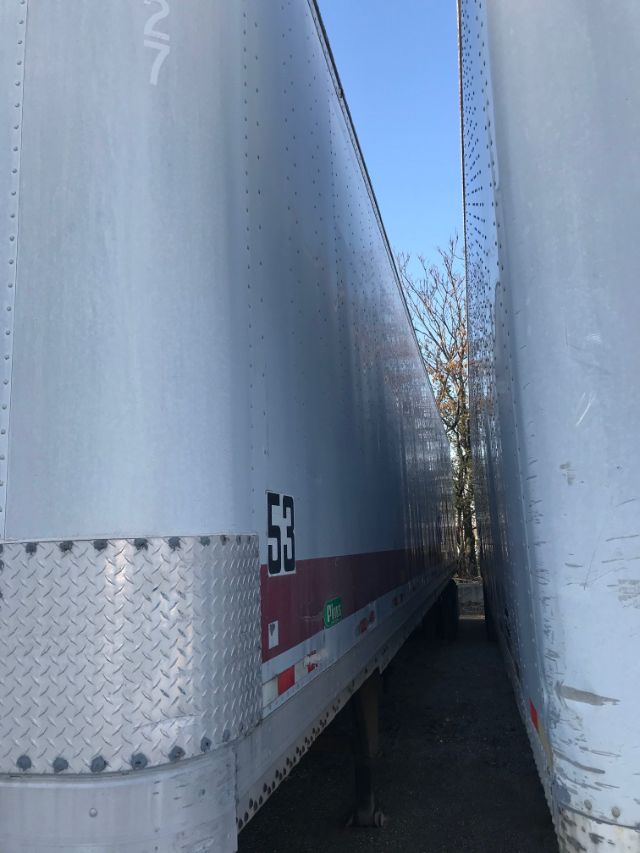
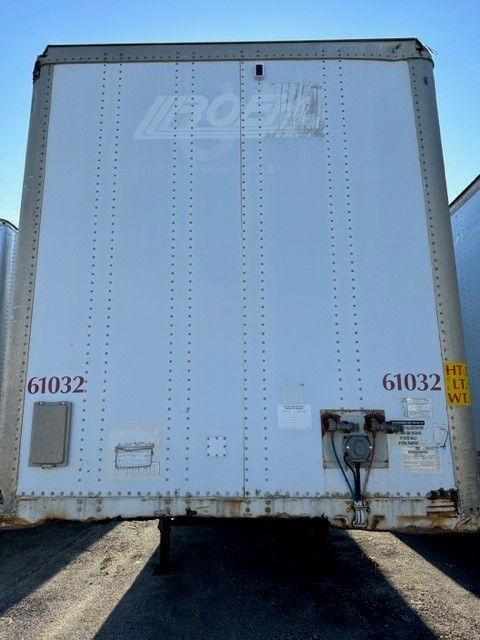
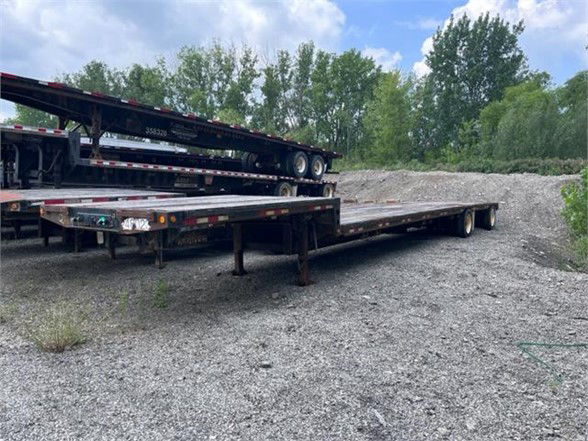
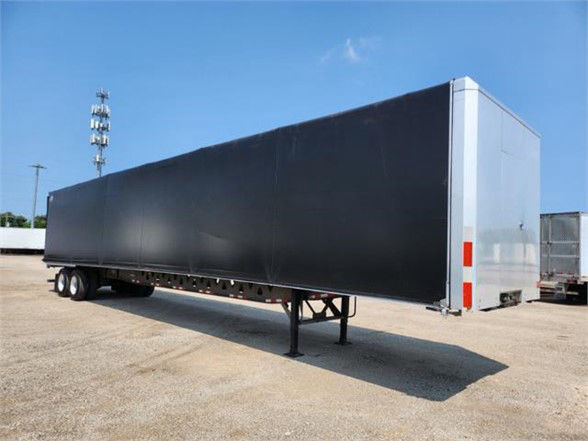
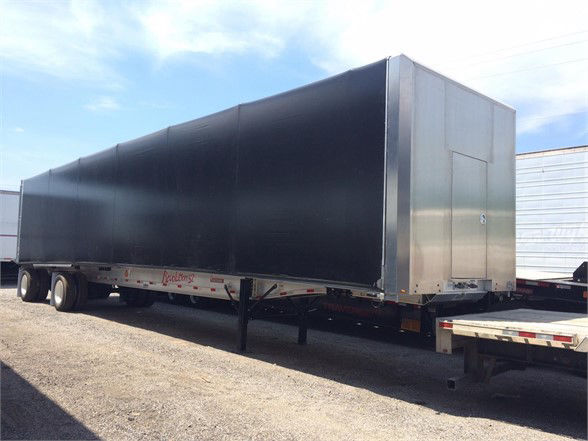
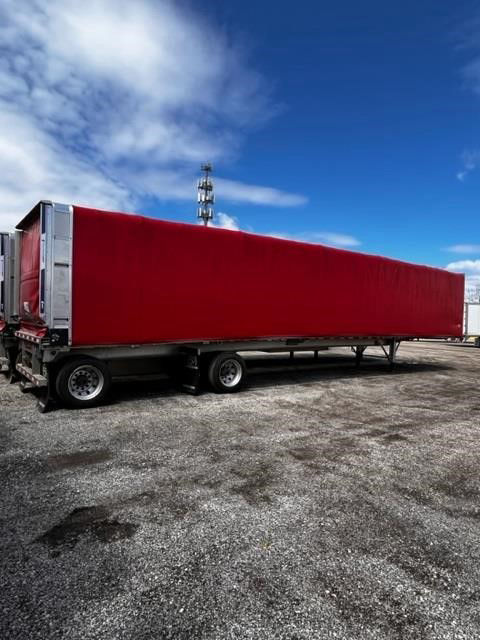
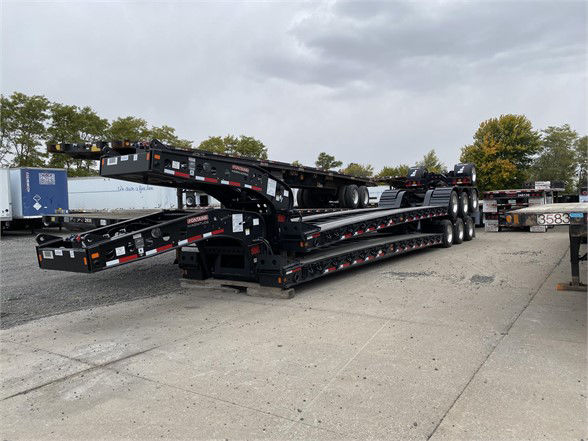
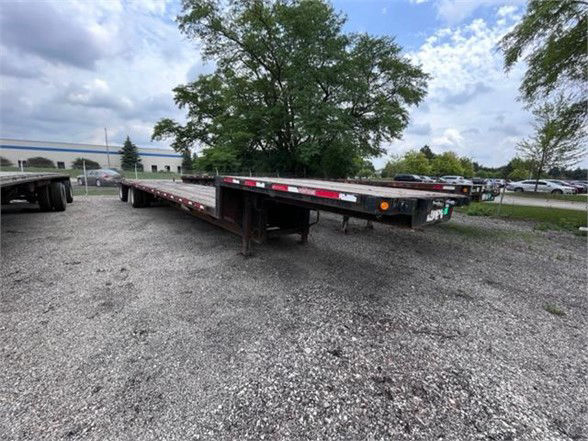
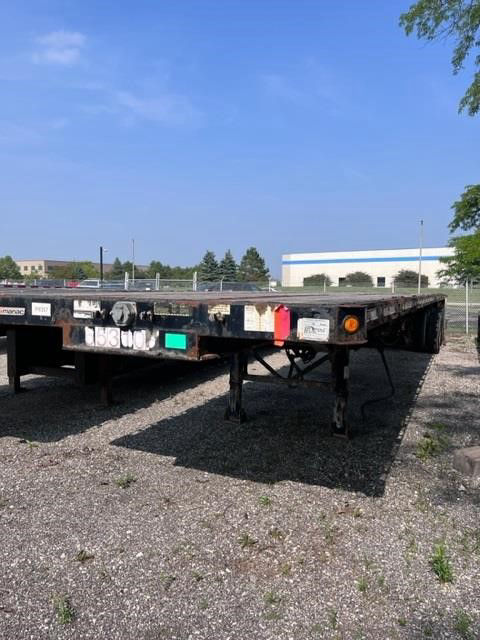
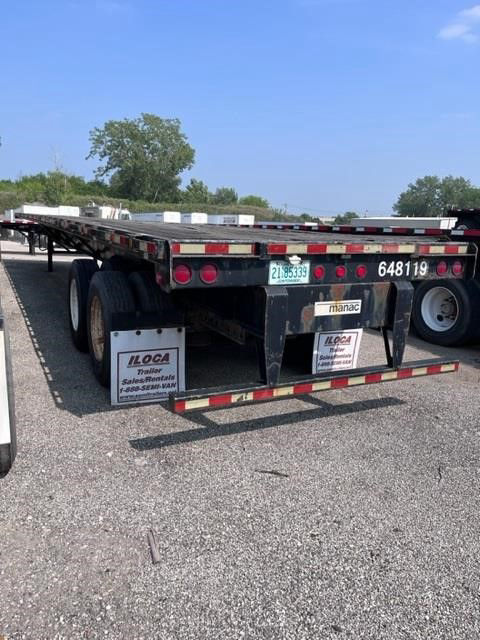
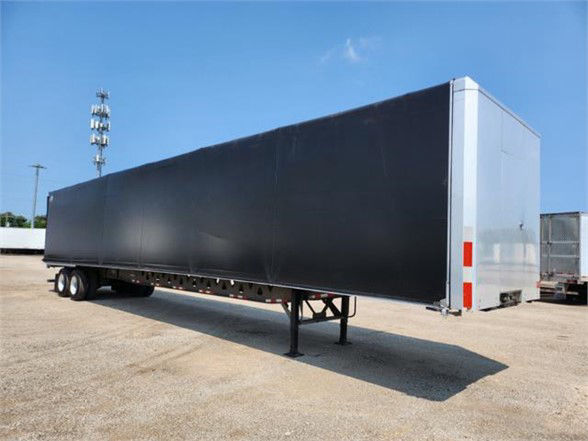
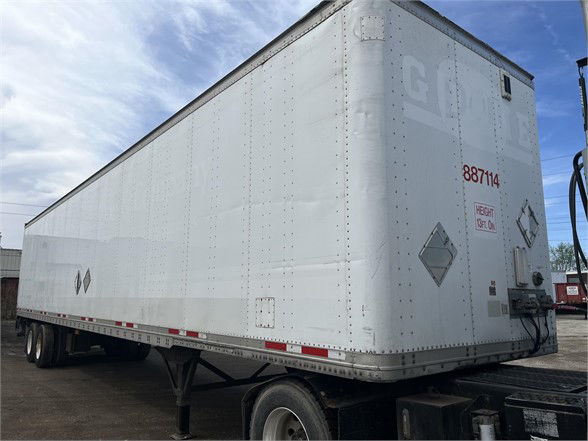
Showing 25 to 36 of 80 results
Have trailer to sell? List it here to reach thousands of buyers.
About Trailers Near Aurora, Illinois
For van and storage trailers, key specs usually start with length, suspension, rear door style, roof material, and floor condition. The most common lengths are 48 and 53 feet, with wood floors still widely used because they are serviceable and familiar to most fleets. Air ride suspension is generally preferred for freight protection and dock-friendly operation, while spring ride can still make sense for storage use or cost-conscious buyers. Swing doors remain common on dry vans and storage units, especially where full rear access matters. Roof type also matters more than many buyers expect. Aluminum and translucent roofs can affect durability, interior light, and long-term maintenance planning.
Flatbed trailer buyers tend to focus on weight, deck construction, axle configuration, and securement setup. A 48-foot by 102-inch flatbed is one of the most common configurations in the market. Steel flatbeds generally cost less up front and hold up well in severe-duty work, while all-aluminum flatbeds reduce tare weight and can improve payload capacity. Suspension and axle layout should match your lanes and commodities. Air ride can help with ride quality and cargo protection, while spring ride remains a durable, lower-complexity choice. Spread axles can help distribute weight and improve loading flexibility, while sliding tandems may be better when bridge law compliance and kingpin settings need more adjustment across different states.
A good trailer purchase comes down to matching the spec to the freight, the lane, and the maintenance plan. Buyers should look closely at brakes, tires, floor wear, side rail condition, crossmember integrity, landing gear, lighting, and signs of prior structural repair. On flatbeds, inspect the winch track, rub rail, stake pockets, floor attachment points, and any coil package or dunnage provisions. On vans and storage trailers, pay close attention to floor soft spots, rear frame condition, door seal integrity, roof damage, and water intrusion. In a market like Aurora with access to major Midwest freight corridors, the right trailer spec can improve payload, reduce downtime, and make daily loading more efficient.
Frequently Asked Questions
What is the difference between a dry van trailer and a storage trailer?
A dry van trailer is built for over-the-road freight movement, while a storage trailer is often used as a stationary unit for on-site or yard storage. The body style can look very similar, but a storage-focused trailer may be evaluated more on floor condition, door operation, weather tightness, and overall structural soundness than on road-ready running gear. If the trailer will be moved regularly on public roads, brakes, tires, suspension, lighting, and frame condition become much more important.
Should I choose an aluminum flatbed or a steel flatbed?
Aluminum flatbeds are typically chosen for lower tare weight and higher payload potential, which matters when hauling dense freight or maximizing legal weight. Steel flatbeds usually have a lower acquisition cost and are often favored in severe-duty applications where ruggedness and repair familiarity matter more than weight savings. The right choice depends on your freight mix, annual miles, expected corrosion exposure, and how much value payload gain adds to your operation.
What trailer length is most common for freight hauling?
The most common lengths for general freight trailers are 48 feet and 53 feet. A 53-foot van is the standard choice for many palletized freight operations because it offers maximum cube for legal highway use. A 48-foot flatbed remains very common because it handles a broad range of construction materials, steel products, and machinery while staying versatile for different loading conditions. Buyers should confirm dock compatibility, state regulations, and commodity dimensions before deciding.
Is air ride suspension better than spring ride on a trailer?
Air ride suspension is generally preferred when freight protection, ride quality, and reduced cargo shock are priorities. It is common on dry vans and many flatbeds hauling sensitive or higher-value loads. Spring ride is simpler and can be less expensive to maintain, which appeals to some buyers in tougher service environments or storage applications. The best suspension depends on cargo sensitivity, maintenance practices, and total operating cost over the trailer's duty cycle.
What should I inspect first on a used trailer?
Start with the structural and safety-critical components. On any used trailer, inspect the frame, crossmembers, suspension, axle alignment, brakes, tires, wheels, landing gear, and electrical system. On vans, check the roof, rear frame, door seals, and floor for leaks or rot. On flatbeds, inspect the deck, main beams, side rails, winch track, stake pockets, and signs of overloading or prior impact damage. A trailer can look acceptable cosmetically while still needing significant structural or running gear work.