
Used Armor Lite Trailers For Sale
Browse used Armor Lite trailers for sale, including lightweight dump trailer models built for high payloads, durability, and demanding haul cycles.
Learn moreBrowse Armor Lite Trailers by Category
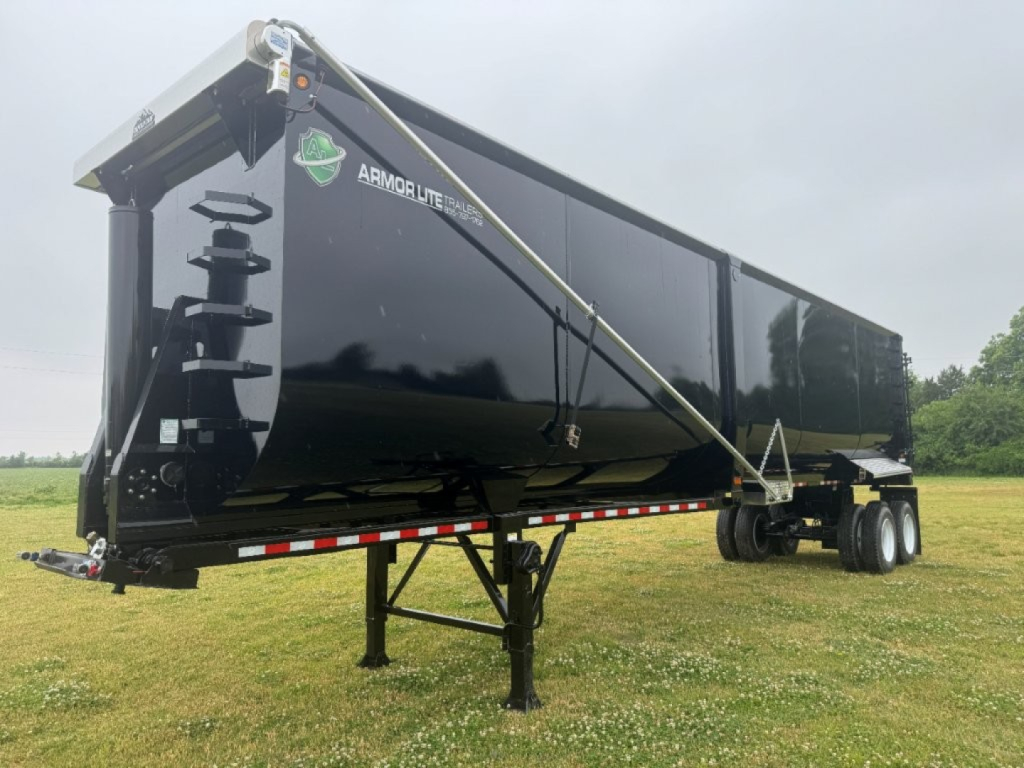
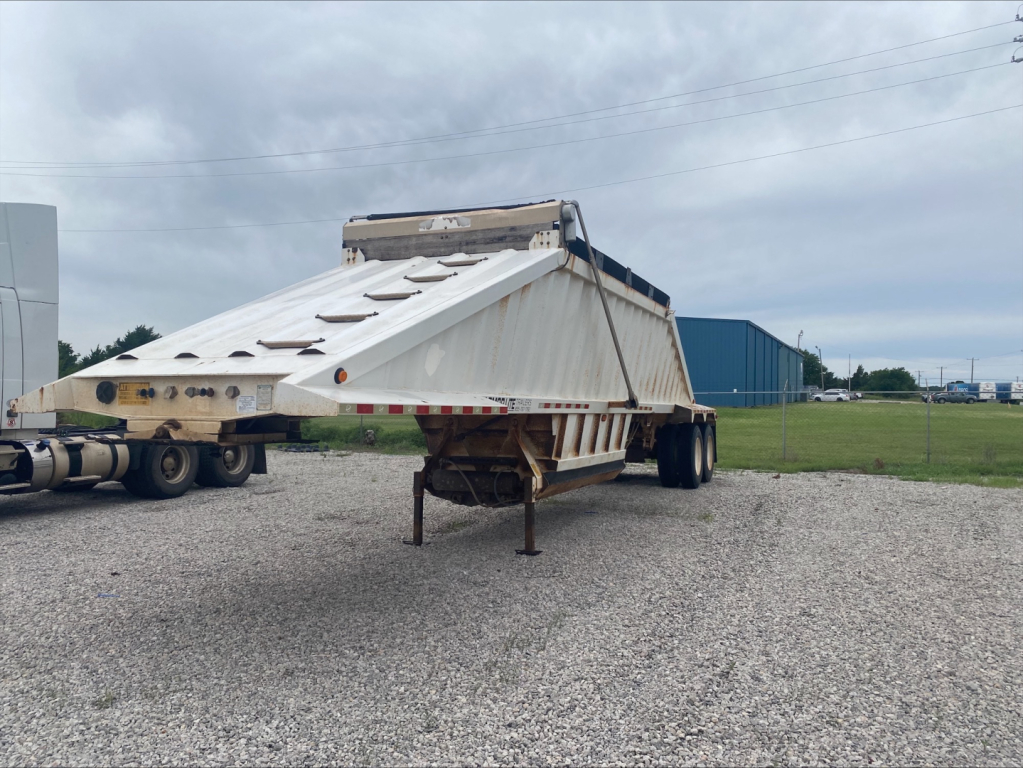
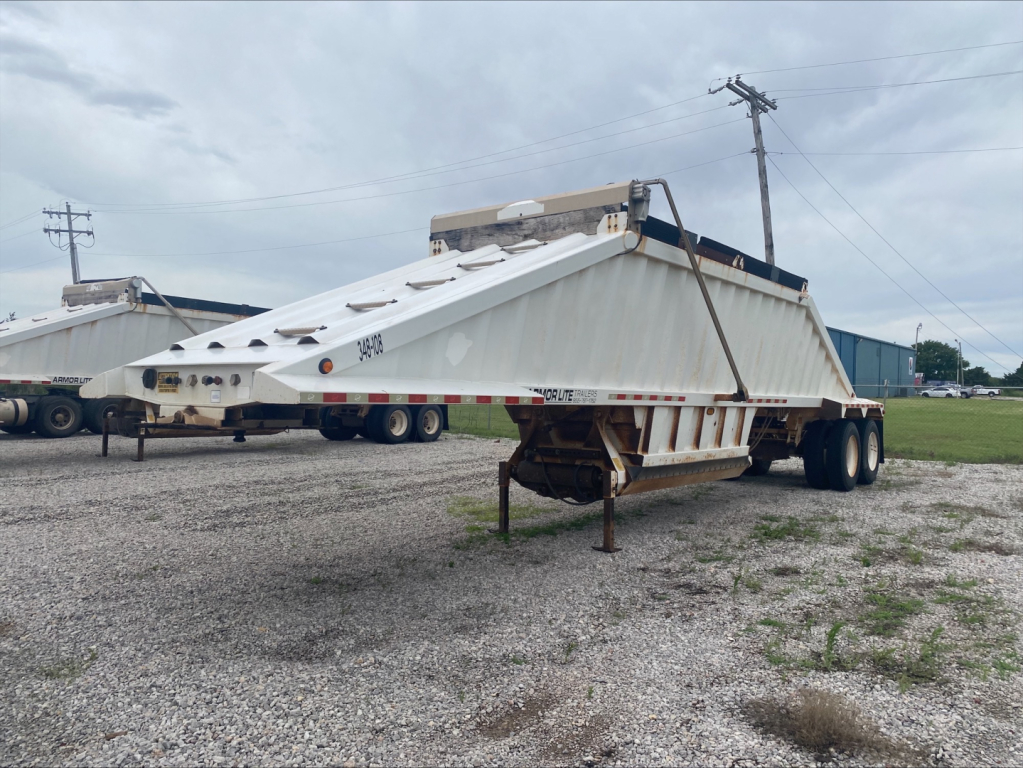
Have used armor lite trailer to sell? List it here to reach thousands of buyers.
About Used Armor Lite Trailers
On a used Armor Lite dump trailer, buyers usually focus on body material, liner condition, hoist setup, suspension, and gate style. Aluminum bodies help maximize legal payload, but prior use matters. Check for floor wear, sidewall bowing, cracks around crossmember or hoist mounting areas, and signs of hard impact at the tail section. Common spec points include body length, side height, cubic yard capacity, axle rating, suspension type, wheel and tire size, and whether the trailer is equipped with a high-lift or quarter-frame hoist. Gate configuration is another major decision, since combination gates, barn doors, and air-operated tailgates each fit different unloading environments.
Application should drive the purchase. For paving work, hot mix service, and frequent dump cycles, buyers often want a smooth-bodied trailer with a good liner, dependable tarp system, and a suspension package matched to mixed road and jobsite conditions. For rock, sand, millings, or demolition debris, pay close attention to floor thickness, previous patching, and overall body straightness. If the trailer will run in states with strict bridge laws or payload-sensitive routes, kingpin setting, axle spacing, and empty weight become just as important as body volume. A used lightweight trailer can improve revenue per load, but only if the chassis and body are still square and structurally sound.
Armor Lite trailers can be a strong fit for fleets and owner-operators that prioritize payload efficiency and corrosion resistance over the long haul. Aluminum construction can offer an advantage in wet, corrosive, or seasonal environments, but maintenance history still matters. Look for evidence of proper weld repair, bushing and suspension service, hoist maintenance, and regular inspection of hinges, trunnions, and tarp hardware. The best used Armor Lite trailer is not simply the lightest one on the page. It is the one with the right body style, axle spec, and structural condition for the material you haul every day.
Frequently Asked Questions
What are used Armor Lite trailers most commonly used for?
Used Armor Lite trailers are most commonly found in dump applications hauling aggregate, asphalt, sand, gravel, millings, scrap, and demolition material. Their lightweight aluminum design makes them attractive for operations where every pound of tare weight affects payload and revenue. The exact fit depends on body style, gate setup, and liner condition, since those features determine how well the trailer handles abrasive material, sticky loads, or frequent dump cycles.
What should I inspect first on a used Armor Lite dump trailer?
Start with the body and floor condition, then move to the hoist, suspension, and rear frame area. Buyers should look closely for cracked welds, floor wear, sidewall distortion, damage around the hoist mounts, and hard-use wear at the tail and hinge points. It is also important to inspect the liner, tarp system, gate seals, axle alignment, and tire wear patterns, because these often reveal how the trailer was loaded, maintained, and operated.
Are Armor Lite trailers good for maximizing payload?
Yes. Armor Lite trailers are widely recognized for lightweight aluminum construction that helps improve legal payload compared with heavier steel-bodied alternatives. That advantage is most valuable in bulk hauling and short-cycle work where additional payload can add up quickly over time. Buyers still need to balance low tare weight against floor thickness, body spec, and overall structural condition so the trailer matches the material being hauled.
What specs matter most when comparing used Armor Lite trailers?
The most important specs usually include trailer length, side height, cubic yard capacity, axle rating, suspension type, kingpin setting, hoist design, and gate configuration. Material thickness and liner setup also matter, especially for abrasive loads or paving work. A trailer with the right dimensions but the wrong suspension, axle spread, or body spec can be a poor fit for the routes, state laws, and material type in your operation.