
Used Armor Lite Dump Trailers For Sale
Browse used Armor Lite dump trailers for aggregate, asphalt, and bulk haul jobs. Compare body style, specs, suspension, liner, and gate setup.
Learn more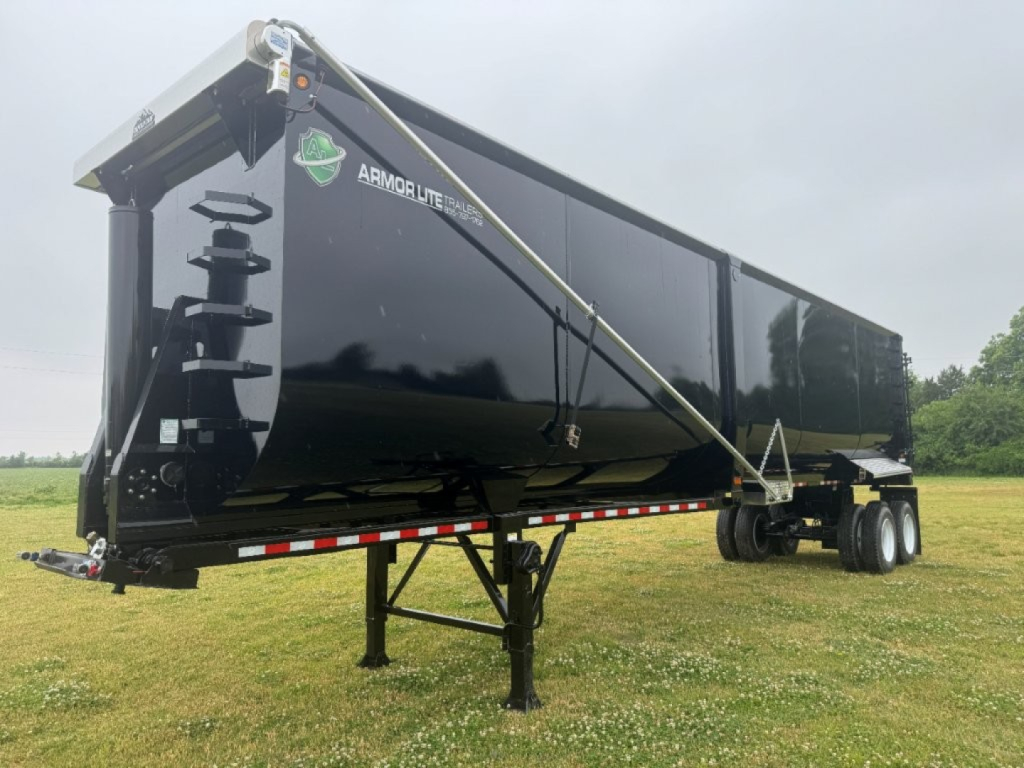
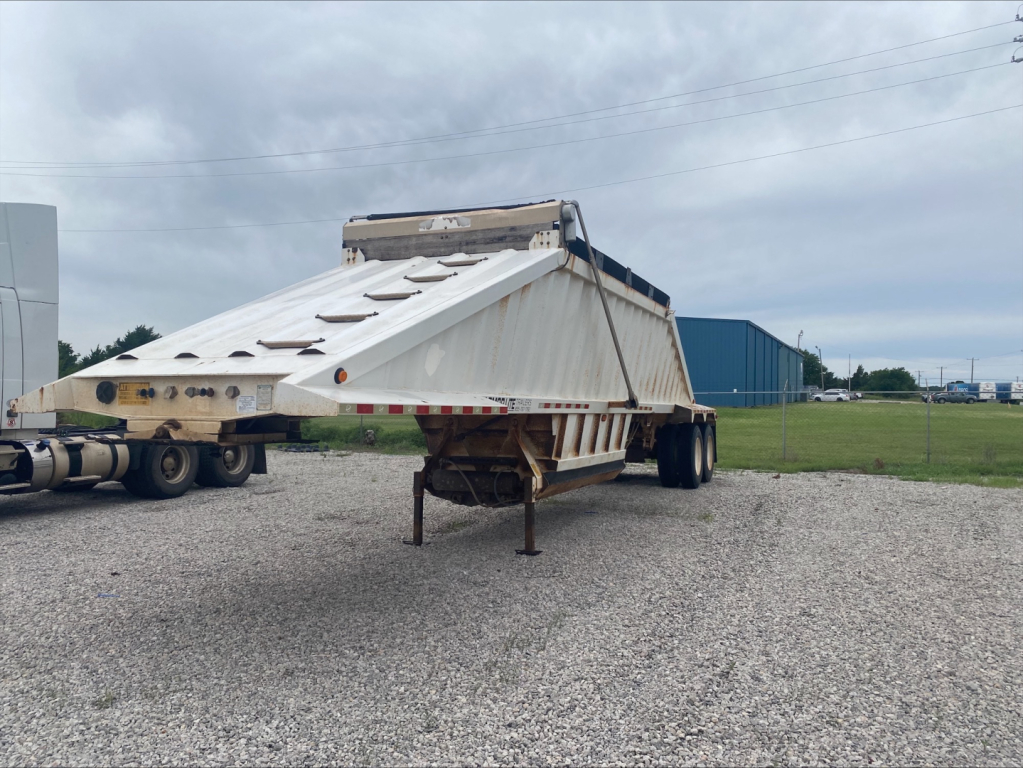
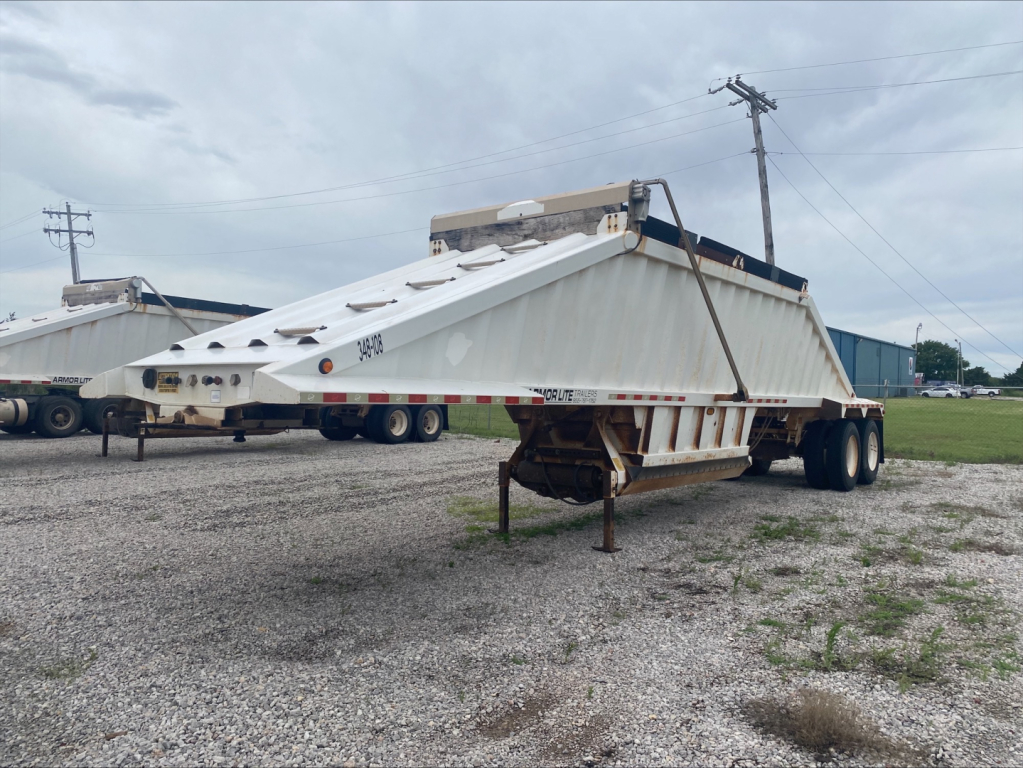
Have used armor lite dump trailer to sell? List it here to reach thousands of buyers.
About Used Armor Lite Dump Trailers
The first buying decision is usually material type. A lightweight aluminum dump trailer can be a strong fit for sand, gravel, crushed stone, asphalt, dirt, and other bulk commodities where every extra pound of payload counts. If your operation regularly handles abrasive demolition debris, riprap, or material with a higher impact load at the nose, pay close attention to body thickness, floor wear, crossmember design if applicable, and any liner that has been added. Many used dump trailers are configured with quarter-frame or frameless construction, high-lift tailgates, barn doors, or combination gate setups. Buyers should also check for air ride versus spring suspension, lift axle presence, wheelbase spread, and tire condition because those details affect legal payload, ride quality, and tire scrub.
On a used Armor Lite dump trailer, condition matters more than model year alone. Inspect the hoist cylinder, hinge points, upper coupler area, draft arms, and rear frame for signs of stress, cracking, or previous weld repair. Look closely at the tub for floor waviness, sidewall bowing, corrosion around seams, and any evidence of material hang-up. Trailer spec should also match the worksite and tractor you plan to pair it with. Kingpin setting, trailer height, suspension ride height, and gate control setup can all affect how the trailer tracks, dumps, and clears pavers or transfer operations. If the trailer has electric tarp, manual tarp, liner, air gauge, or tire inflation system components, those can add day-to-day convenience but should be evaluated for serviceability.
Armor Lite dump trailers are often considered by fleets and owner-operators looking for a purpose-built bulk hauler rather than a generic end dump. A well-matched used trailer can lower empty weight and improve revenue per load, but only if the structure is still tight and the spec fits your lane. For buyers comparing multiple used dump trailers, the best value usually comes from balancing tare weight against durability, repair history, and the kind of material the trailer hauled before. A clean lightweight trailer that spent its life in aggregate service is a different buy than one that lived in severe demolition work, even if the two units look similar on paper.
Frequently Asked Questions
What are Armor Lite dump trailers typically used for?
Armor Lite dump trailers are commonly used for hauling aggregate, asphalt, sand, gravel, dirt, millings, and other bulk materials where low trailer weight helps maximize payload. Their aluminum construction makes them especially attractive in weight-sensitive applications, but actual suitability depends on body spec, floor thickness, gate style, and the severity of the material being hauled.
What should I inspect first on a used Armor Lite dump trailer?
Start with the structural areas that take the most stress during loading and dumping. Check the hoist and cylinder mounts, hinge assembly, rear frame, upper coupler, suspension components, and the dump body floor and sidewalls. Signs of hard use include cracked welds, patched aluminum, bowed sides, floor distortion, loose hinge points, and uneven tire wear. Repair quality matters as much as the repair itself.
Are aluminum dump trailers durable enough for heavy work?
Yes, but the definition of heavy work matters. Aluminum dump trailers can perform very well in aggregate and paving service while delivering better payload than heavier steel designs. They are less forgiving if repeatedly subjected to severe demolition debris, concentrated impact loads, or abusive loading practices. Buyers should match the trailer's body construction and prior service history to the material they intend to haul.
How important is trailer configuration on a dump trailer?
Configuration has a direct effect on productivity and compatibility. Body length, side height, cubic capacity, suspension type, lift axle setup, kingpin setting, and gate arrangement all influence legal payload, unloading stability, maneuverability, and how the trailer pairs with a specific tractor. A trailer that is light on paper can still be the wrong choice if the geometry or axle layout does not fit your route, state bridge laws, or jobsite conditions.
What is the advantage of buying a used lightweight dump trailer?
The main advantage is payload potential at a lower acquisition cost than new. A used lightweight dump trailer can improve revenue per trip if the structure is sound and the spec fits your haul profile. The tradeoff is that condition is critical. Buyers should pay close attention to wear in the tub, hoist system, suspension, and rear frame because those areas determine whether the trailer will stay productive or become a repair project.