
Trailers For Sale Near Amarillo, Texas
Browse trailers for sale in Amarillo, TX including dump, flatbed, and specialized heavy haul trailers with specs that fit real hauling needs.
Learn more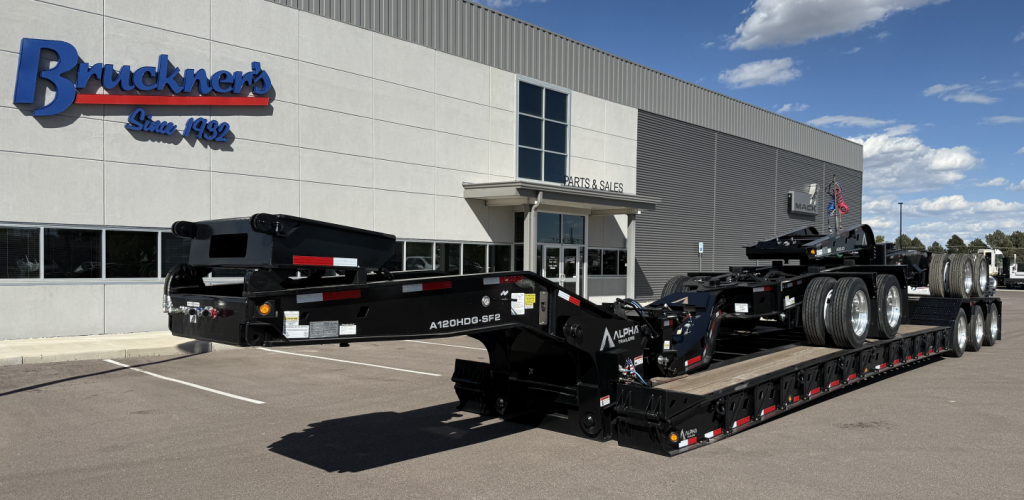

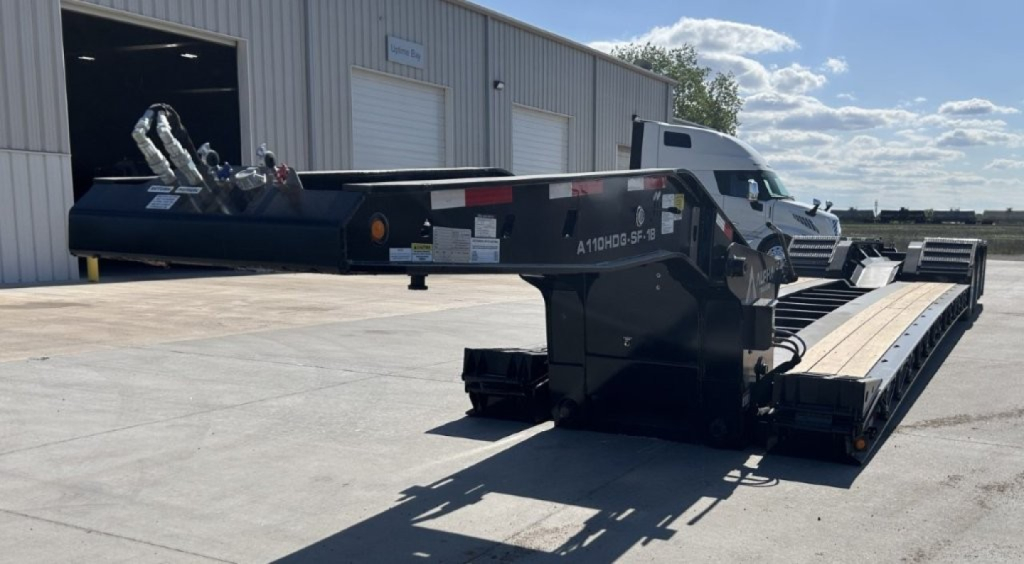
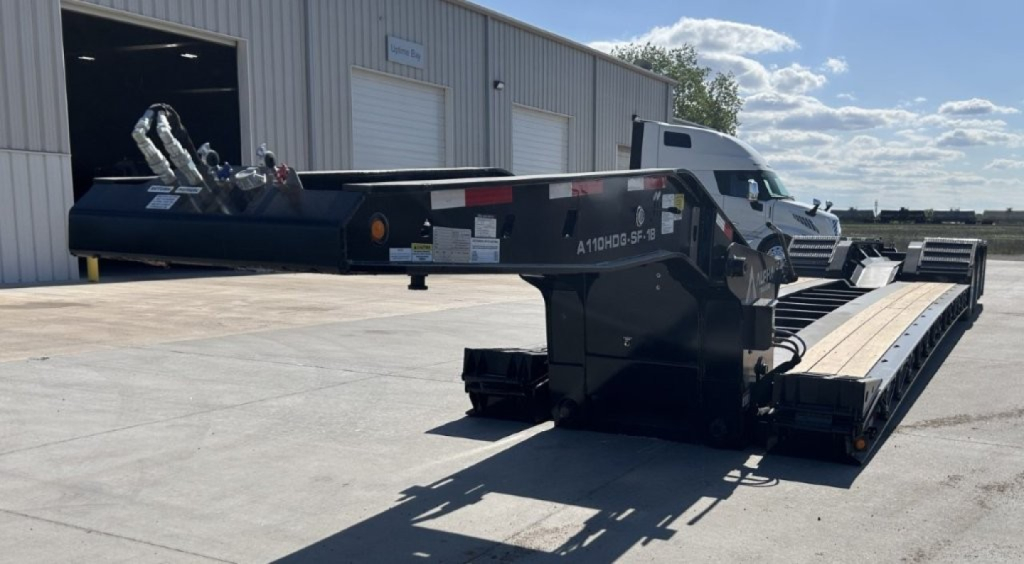
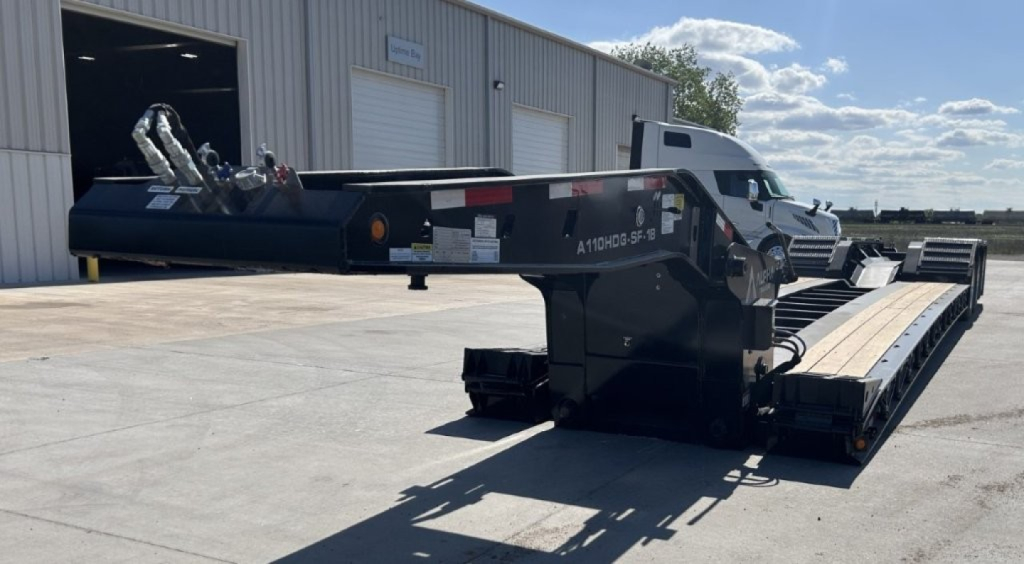
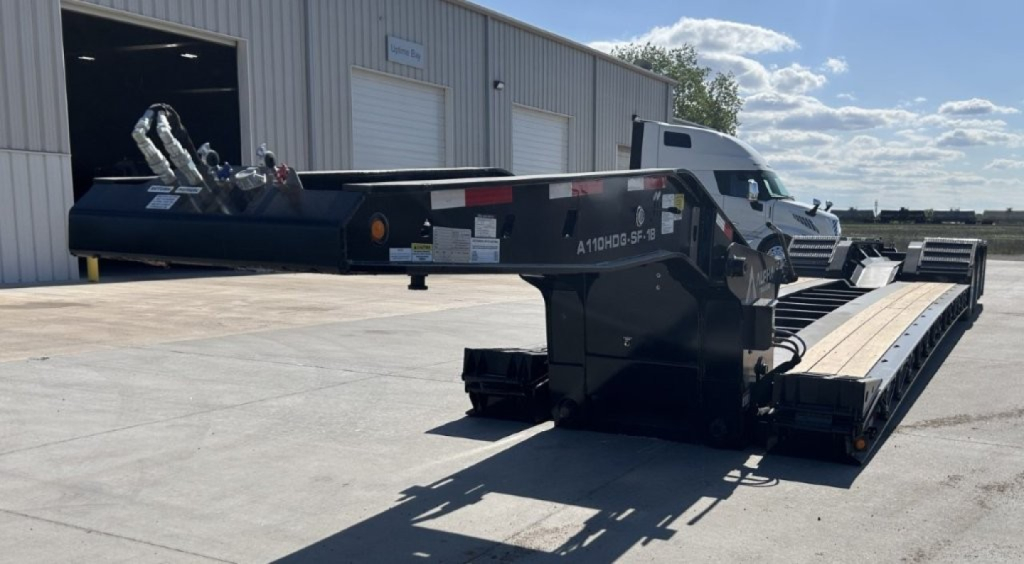
Showing 61 to 72 of 159 results
Have trailer to sell? List it here to reach thousands of buyers.
About Trailers Near Amarillo, Texas
Dump trailers are commonly chosen for dirt, rock, asphalt millings, scrap, and other bulk materials where cycle time and body durability matter. Key details include steel versus aluminum construction, tub length, cubic yard capacity, suspension type, gate style, tarp system, and tire package. Steel dumps with hard-wearing tubs are popular when abrasion resistance is the priority, while air ride or single point suspension choices can affect both ride quality and maintenance. Buyers should also pay close attention to side height, slope sheets, hoist geometry, liner options, and whether the trailer is set up for quarry work, road construction, or general contractor use.
Flatbed trailers, also known as open deck trailers, are built around cargo securement flexibility. Important specs include overall length, deck width, combo versus all-steel construction, kingpin setting, floor type, stake pocket spacing, winch track layout, bulkhead design, and axle configuration. In regions like Amarillo where building materials, ag equipment, pipe, and machinery all move regularly, features such as sliding winches, nailer strips, forklift kits, and lift axles can make a measurable difference in loading efficiency and tire wear. Buyers hauling dense freight should compare empty weight against legal payload, while those handling mixed freight should focus on deck usability and securement points.
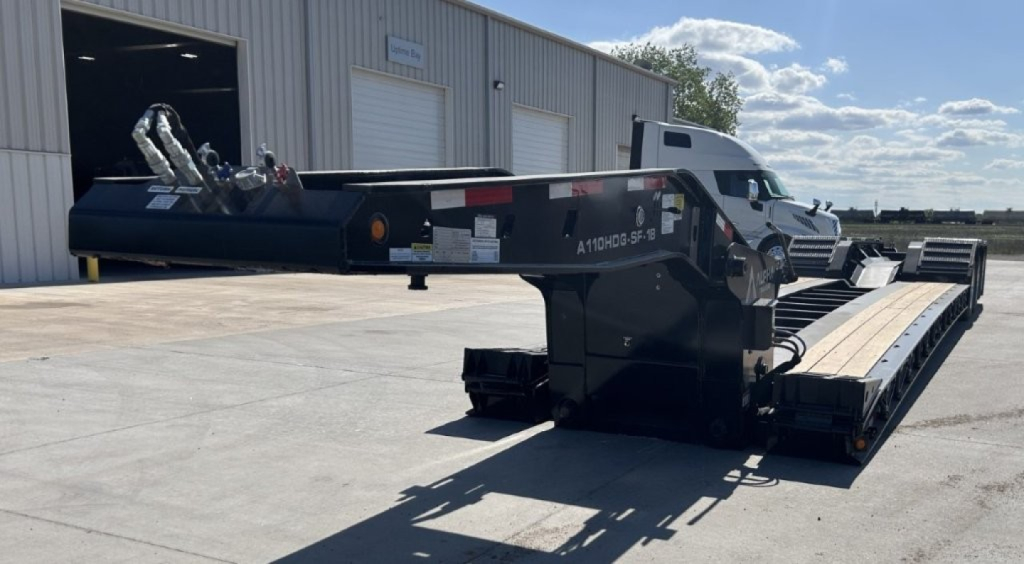
Specialized trailer equipment like jeeps, flip axles, and converter dollies is aimed at heavy haul and permit loads where axle spread and weight distribution are critical. These components are used to build a legal configuration around the load, especially for construction equipment, transformers, and other concentrated-weight freight. The important buying factors are compatibility with the main trailer, ton rating, neck and connection design, axle spacing, and how the setup fits state permitting rules. Across all trailer types, experienced buyers compare brake type, wheel and tire size, suspension design, frame material, and maintenance access just as closely as they compare price. The best trailer choice is the one that fits the freight, the route, and the daily loading conditions without forcing constant compromises.
Frequently Asked Questions
What type of trailer is best for hauling in Amarillo, Texas?
The best trailer depends on the freight and the routes you run. Dump trailers are a strong fit for aggregate, dirt, and construction material common across the Amarillo area, while flatbeds are better for machinery, building products, pipe, and agricultural freight. Heavy haul components such as jeeps and flip axles are used when axle weight distribution and permit compliance are part of the job. Buyers should match the trailer to the commodity first, then confirm capacity, suspension, axle layout, and overall configuration.
What should I look for when comparing dump trailers?
Start with body material, tub length, and cubic yard capacity, then look at suspension, gate operation, tarp system, and tire package. Steel bodies generally hold up better in abrasive applications like rock, demolition, and scrap, while the suspension choice affects ride quality, stability, and service life. It is also important to review hoist design, side height, liner needs, and whether the trailer is built for high-volume material or heavier, denser loads. A dump trailer that is too light for the work will wear quickly, and one that is oversized can cost payload or create unloading issues.
Why does flatbed construction matter so much?
Flatbed construction directly affects empty weight, payload, durability, and cargo securement flexibility. Combo trailers that use both steel and aluminum are popular because they balance strength with lower tare weight, while all-steel models may appeal to fleets that prioritize ruggedness and repair familiarity. Floor design, stake pocket spacing, winch placement, bulkhead style, and kingpin setting all influence how easily the trailer can be loaded and how well it handles different freight. Small spec differences on a flatbed often show up every day in loading speed, legal payload, and tire wear.
When are flip axles, jeeps, or converter dollies necessary?
These specialized trailer components are typically necessary for heavy haul operations where standard axle groups cannot legally distribute the load. A jeep is used between the tractor and trailer to add axle capacity and spread weight, while a flip axle is added to the rear of certain lowboy or specialized setups. Converter dollies are used in other towing configurations and can also be part of specific commercial hauling applications. The key is compatibility with the main trailer and compliance with bridge laws, permit requirements, and axle spacing rules in the states where the load will travel.
How important are suspension and brake choices on a trailer?
They are critical because they affect ride quality, load protection, maintenance costs, and stopping performance. Air ride suspension is often preferred for flatter ride characteristics and sensitive freight, while mechanical or single point systems may be chosen for durability and simplicity in tougher environments. Drum brakes remain common across many trailer classes, but buyers still need to consider service access, parts support, and how the trailer will be used under load. Suspension and brake choices should be evaluated alongside axle rating, tire size, and wheel spec rather than as stand-alone features.