
Trailers For Sale in Alaska
Browse trailers for sale in Alaska, including logging, flatbed, lowboy, tanker, and enclosed models built for heavy loads and harsh conditions.
Learn morePopular Trailers Categories
Have trailer to sell? List it here to reach thousands of buyers.
About Trailers in Alaska
A trailer that works well in Alaska often needs simple, durable running gear and components that can be serviced without delay. Tandem and tridem axle setups are common depending on legal weight targets and terrain. Air ride suspension helps protect the load and improves ride quality, while mechanical and walking beam suspensions remain popular for severe-duty applications. Buyers should look closely at brake type, hub and drum condition, kingpin wear, bushing life, crossmember spacing, and any signs of corrosion or fatigue around stress points. On platform and vocational trailers, deck condition, winch track layout, tie-down points, bolster setup, and landing gear design can affect daily productivity just as much as headline GVWR.
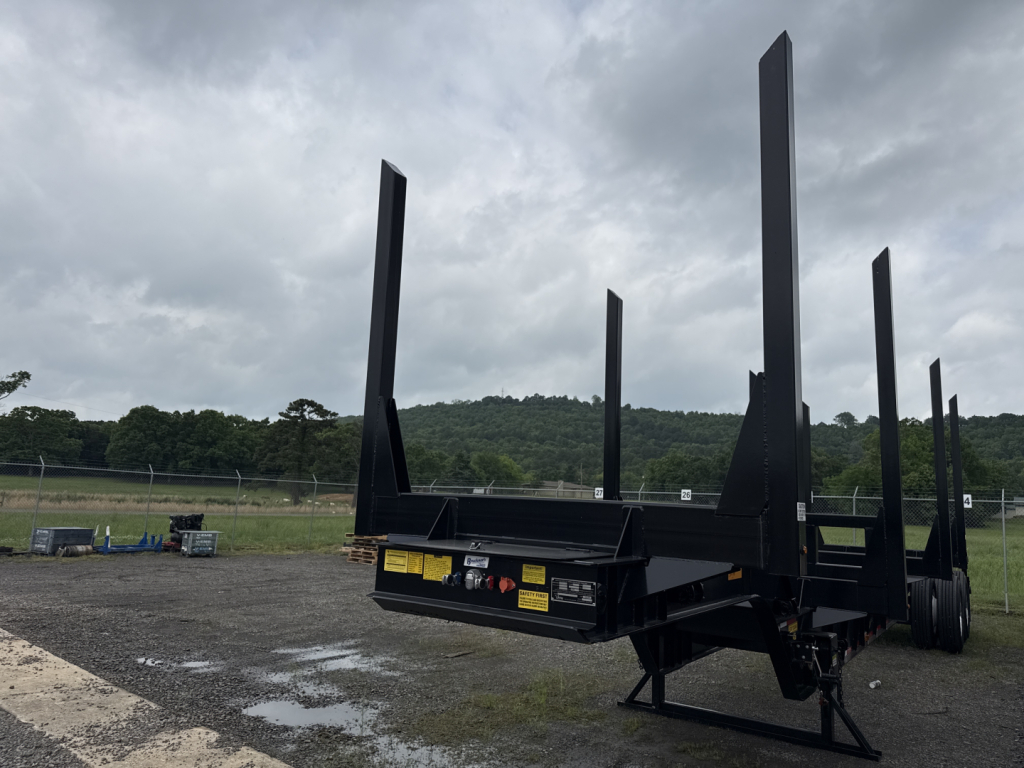
For Alaska-specific use, material choice and cold-weather durability deserve extra attention. Steel trailers remain common for logging, construction, and off-road work because they are easier to repair and hold up well under concentrated loads. Aluminum can reduce tare weight and improve payload on highway applications, but buyers should still inspect weld quality, floor condition, and previous repair work. Tire size, wheel spec, lighting protection, ABS function, and parts support are practical buying factors when a trailer may spend time far from a major shop. On specialized units such as log trailers, details like bolster count, drop center design, grapple bar setup, axle capacity, and load scale systems can directly affect load securement and legal compliance.
The best trailer choice comes down to matching the trailer to the route, commodity, and service environment. A logging operation may prioritize bolsters, rugged suspension, and dependable brake hardware, while a freight carrier may focus on deck length, tare weight, tire inflation systems, and maintenance intervals. Buyers comparing trailers for sale in Alaska should weigh legal payload, structural condition, parts availability, and ease of repair before focusing on appearance or age alone. A well-matched trailer earns its value through uptime, safe load control, and lower cost per mile over the long haul.
Frequently Asked Questions
What types of trailers are most common for sale in Alaska?
Common trailer types in Alaska include log trailers, flatbeds, step decks, lowboys, dump trailers, tankers, and enclosed vans. The mix tends to reflect the state's logging, construction, fuel transport, freight, and heavy equipment needs. Logging and severe-duty platform trailers are especially relevant in many regions because they are built for rough roads, heavy concentrated loads, and demanding weather.
What should I inspect first when buying a used trailer in Alaska?
Start with the frame, suspension, axles, brakes, tires, and signs of structural repair. In Alaska service, trailers often see harsh road conditions, moisture, and long operating distances, so fatigue cracks, corrosion, kingpin wear, bushing wear, and brake system condition are high-priority inspection points. On vocational trailers, deck wear, bolster condition, landing gear function, and tie-down hardware should also be checked carefully.
Is steel or aluminum better for an Alaska trailer application?
Steel is often preferred for logging, construction, and other severe-duty work because it handles impact and concentrated weight well and is generally easier to repair in the field. Aluminum can be the better choice when lower tare weight and higher payload are the priority, especially in highway applications. The right decision depends on the cargo, road surface, service cycle, and the repair resources available in the area where the trailer will operate.
What axle and suspension setup is best for heavy-duty trailer work?
That depends on legal weight requirements, terrain, and the trailer's primary use. Tandem and tridem axle configurations are both common, with higher-capacity setups often used in heavy haul and off-road applications. Air ride suspension offers better ride quality and can reduce cargo shock, while mechanical or walking beam suspension is valued for simplicity and durability in rough service. Buyers should match the suspension design to both the route and the load.
Why do trailer specs like tire size, brake type, and parts availability matter so much in Alaska?
These details affect uptime more than many buyers expect. A trailer operating in remote areas needs common service parts, reliable brake performance, and tire sizes that can be sourced without major delay. Drum or disc brake preference, wheel-end specification, ABS condition, and standard tire sizing all play into maintenance planning. In a market where service intervals can be long and weather can change quickly, practical serviceability is a major buying factor.