
Sterling Sweeper Trucks For Sale
Browse Sterling sweeper trucks built for municipal, road, and site cleanup with durable chassis options and common mechanical broom specs.
Learn more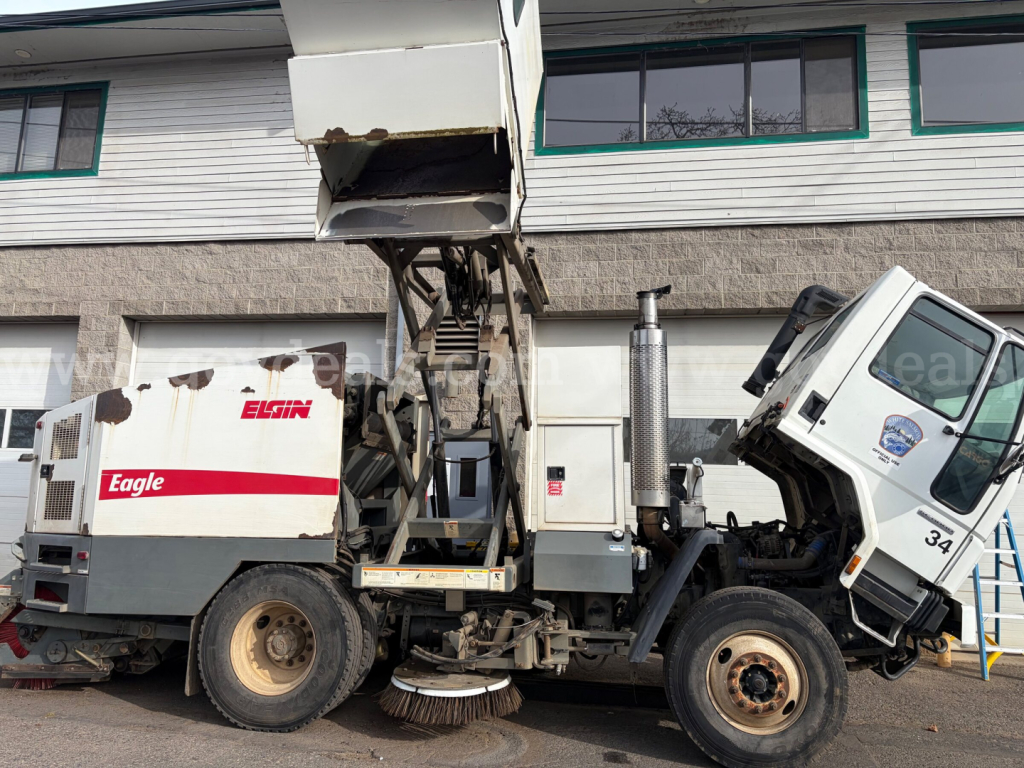

Have sterling sweeper truck to sell? List it here to reach thousands of buyers.
About Sterling Sweeper Trucks
A buyer comparing Sterling sweeper trucks should look at two machines in one. The truck chassis needs the same attention as any vocational diesel, including engine health, transmission operation, brake system condition, steering wear, suspension components, and frame integrity. The sweeper package has its own wear points, including the auxiliary engine or hydraulic drive system, impeller, gutter brooms, main broom, conveyor or pickup head, hopper condition, water tank, spray nozzles, suction tubes, and controls. On used sweepers, broom hours, fan condition, hydraulic leaks, corrosion in the hopper, and signs of patchwork repairs around the pickup head usually tell more than paint or body appearance.
Application matters. Mechanical broom sweepers are typically chosen for milling cleanup, aggregate, road shoulders, and heavier debris where a robust conveyor and broom setup matters more than fine dust capture. Vacuum and regenerative air setups are better suited for parking lots, city streets, and environments where dust control is a higher priority. Sterling chassis are often appreciated for stable vocational specs such as diesel power, automatic transmissions, set-back front axles on some configurations, and cab layouts that work well for stop-and-go routes. Parts planning is important because the sweeper body manufacturer often determines serviceability as much as the truck make does.
For a used Sterling sweeper truck, inspection should include cold start behavior, PTO or auxiliary engine engagement, hydraulic function under load, water system pressure, hopper lift operation, broom adjustment range, and the condition of the fan housing and bearings. Check for excessive rust around the cab mounts, hopper floor, and water tank supports, especially on units that worked in snow regions or sat outside for long periods. If the truck is being bought for municipal service, contractor backup duty, or seasonal cleanup, confirm that replacement broom components, hydraulic parts, and body-specific wear items are still available. A solid Sterling sweeper can still be a cost-effective way to add cleanup capacity, but repair exposure on neglected units can outweigh the purchase price quickly.
Frequently Asked Questions
What should I inspect first on a used Sterling sweeper truck?
Start with the sweeper system and the chassis as separate evaluations. On the chassis side, check engine condition, transmission performance, steering play, brake function, suspension wear, and frame corrosion. On the sweeper side, inspect the auxiliary engine or hydraulic drive, impeller or fan, main broom, gutter brooms, pickup head, hopper floor, water tank, spray system, and all hydraulic hoses and cylinders. A used sweeper can drive well and still need major sweeper-body repairs, so both systems need equal attention.
Are Sterling sweeper trucks usually mechanical broom or vacuum units?
Sterling chassis have been used under several sweeper body types, including mechanical broom, vacuum, and regenerative air configurations. The body manufacturer and intended application determine the setup. Mechanical broom units are common for road construction cleanup and heavier debris, while vacuum or regenerative air units are more common where dust control and finer material pickup matter. Buyers should identify the sweeper body type first because that affects maintenance costs, parts sourcing, and job suitability.
Do parts availability concerns matter with older Sterling sweeper trucks?
Yes. Sterling-branded chassis are older, so buyers should verify support for both the truck and the sweeper body before purchase. Many engine, transmission, brake, and axle components may still be sourced through their original suppliers, but cab and trim parts can be harder to find. Sweeper-specific parts such as broom assemblies, fan components, hydraulic controls, water pumps, and hopper seals may be more important than chassis cosmetics, especially if the truck is expected to go straight to work.
Is mileage or sweeper hours more important on a Sterling sweeper truck?
Both matter, but sweeper hours often tell the more important story. A sweeper truck may have moderate road mileage and still show heavy wear in the pickup head, fan housing, broom drives, hydraulics, and hopper from years of stop-and-go sweeping. Mileage helps evaluate chassis wear, but sweeper hours and maintenance records better show the condition of the working equipment. If hours are unavailable, look closely at wear patterns on brooms, hoses, bearings, and the hopper structure.
What jobs are Sterling sweeper trucks best suited for?
That depends on the sweeper body installed, but common uses include municipal street sweeping, parking lot cleanup, airport support, construction site cleanup, shoulder sweeping, and milling or paving support. A mechanical broom Sterling is usually better for heavier material and jobsite debris. A vacuum or regenerative air unit is generally a better fit for urban streets, campuses, and commercial properties where cleaner pickup and dust suppression are priorities.