
Peterbilt Cab and Chassis Trucks For Sale in Florida
Shop Peterbilt cab and chassis trucks for sale in Florida. Compare wheelbases, axle setups, engines, and upfit-ready specs for vocational work.
Learn more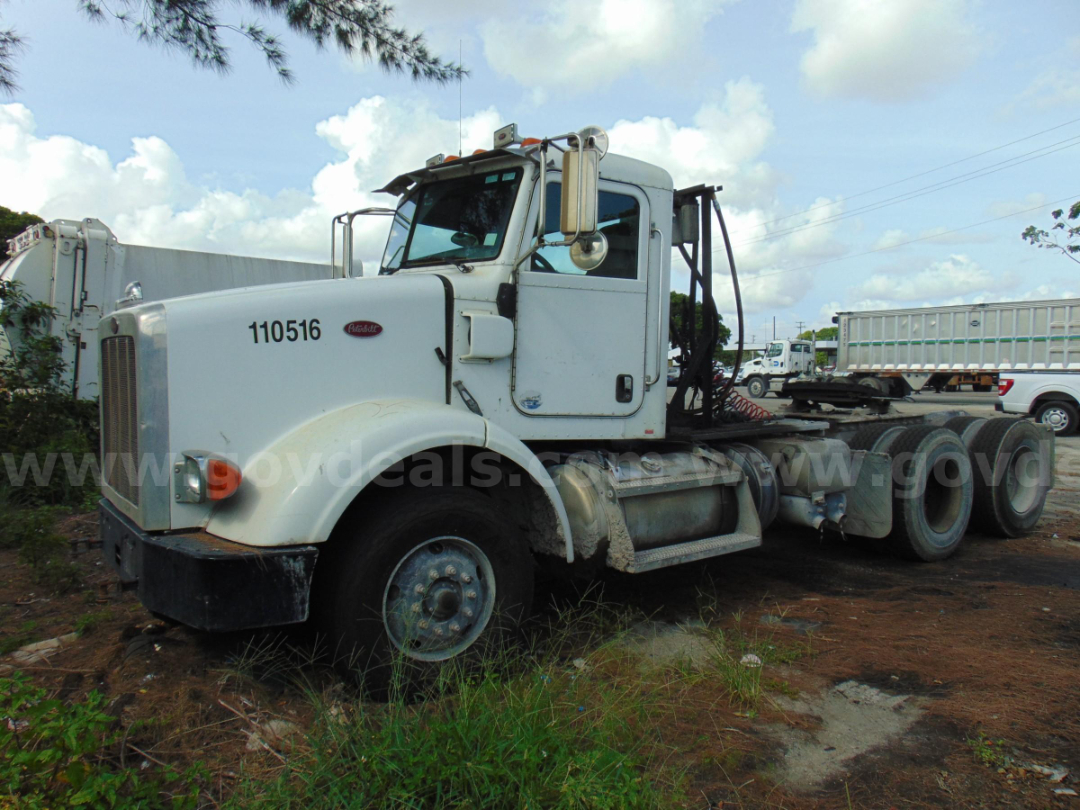
Have peterbilt cab and chassis truck to sell? List it here to reach thousands of buyers.
About Peterbilt Cab and Chassis Trucks in Florida
The main buying decision is not just make or model. It is whether the truck has the right foundation for the body you plan to install. On Peterbilt cab and chassis trucks, buyers usually compare GVWR, front and rear axle ratings, suspension type, wheelbase, cab-to-axle and cab-to-end-of-frame dimensions, and engine-transmission pairing. Common configurations include single-axle and tandem-axle layouts, with diesel engines from PACCAR or Cummins and transmissions ranging from Allison automatics to Eaton Fuller manuals or automated manuals. PTO compatibility matters if the truck will run a dump body, blower, pump, compressor, or hydraulic system. Frame rail strength, crossmember layout, and available back-of-cab clearance also affect how easily a body builder can complete the upfit.
Florida buyers often look closely at cooling performance, corrosion exposure, and application-specific durability. Stop-and-go municipal or utility work puts different demands on emissions systems than steady highway running, so maintenance history and idle hours can matter as much as mileage. If the truck is intended for construction, waste, or severe service, heavier suspensions, locking differentials, higher vocational bumper clearances, and set-forward axle options may be important. For delivery or service body use, a tighter turning radius, lower ride height, and automatic transmission may be the better fit. Peterbilt models commonly used in cab and chassis applications include platforms in the medium-duty and vocational heavy-duty range, with spec choices that can be tailored for city work, regional service, or demanding jobsite use.
A strong cab and chassis spec saves money after purchase because the truck can be upfitted without major frame modifications or component relocation. Buyers should confirm exact wheelbase, cab-to-axle, rear axle ratio, fuel tank placement, exhaust routing, DEF tank location, and any existing PTO provisions before choosing a truck. If the unit is used, pay close attention to frame condition, signs of previous body removal, electrical integrity for body controls, and emissions system health. The right Peterbilt cab and chassis truck is not just a truck with an empty frame. It is an upfit-ready work platform matched to the body, weight, and duty cycle the business actually runs.
Frequently Asked Questions
What is a Peterbilt cab and chassis truck?
A Peterbilt cab and chassis truck is an incomplete truck sold with the cab, frame, drivetrain, axles, and running gear in place, but without the final vocational or commercial body installed. It is designed to be upfitted with equipment such as a dump body, utility body, rollback, box, crane, refuse packer, or service body. The value of this configuration is that the buyer can match the truck’s wheelbase, axle ratings, PTO capability, and frame dimensions to the exact application instead of starting with a finished body that may not fit the job.
What specs matter most when buying a Peterbilt cab and chassis?
The most important specs are GVWR, wheelbase, cab-to-axle measurement, cab-to-end-of-frame length, axle ratings, suspension type, engine horsepower and torque, transmission type, and PTO compatibility. Buyers should also verify rear axle ratio, frame rail section, fuel tank and DEF tank placement, and whether the exhaust routing will interfere with the planned body. These measurements determine what body can be installed, how the truck will carry weight, and whether the finished unit will meet legal and operational requirements.
Which applications are common for Peterbilt cab and chassis trucks?
Peterbilt cab and chassis trucks are commonly used for dump trucks, rollbacks, utility trucks, mechanics trucks, crane bodies, box trucks, stake beds, vacuum units, refuse trucks, and municipal service equipment. Medium-duty specs are often used for delivery, service, and local fleet work, while heavier vocational specs are better suited for construction, infrastructure, waste, and severe-duty use. The final application should drive the wheelbase, axle layout, suspension, and PTO choices from the start.
Are used Peterbilt cab and chassis trucks a good choice for upfitting?
A used Peterbilt cab and chassis can be a very practical choice if the frame and drivetrain match the intended body and the truck has not been compromised by prior use. Buyers should inspect for frame drilling or modifications, rust, electrical issues, worn suspensions, uneven tire wear, and signs that a previous body installation stressed the rails or rear section. Emissions system condition is especially important on later-model diesel trucks used in stop-and-go service, because excessive idle time and incomplete regeneration history can lead to costly repairs.
How do Florida operating conditions affect a cab and chassis purchase?
Florida service can put extra emphasis on cooling system performance, corrosion prevention, and application-specific spec choices for urban and coastal use. Heat, humidity, stop-and-go operation, and municipal duty cycles can be harder on aftertreatment systems, electrical components, and air conditioning performance than long-haul use. Buyers in Florida also tend to focus on maneuverability for dense service areas, PTO-driven accessories for utility and municipal work, and durable vocational suspensions for construction and infrastructure projects.