
Nissan Lifts - Fork For Sale
Shop Nissan fork lifts for material handling jobs. Compare lift capacity, fuel type, mast height, tire setup, and warehouse-ready specs.
Learn more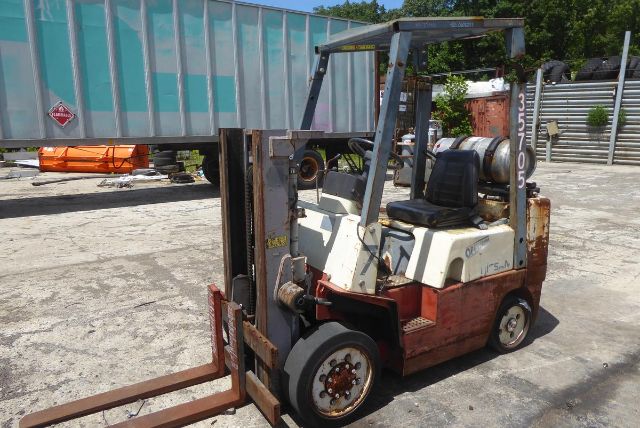
Have nissan lifts - fork trucking equipment to sell? List it here to reach thousands of buyers.
About Nissan Lifts - Fork
Fuel system and operating environment matter more than many buyers expect. Propane Nissan forklifts are popular for indoor-outdoor use because they refuel quickly and maintain steady performance through long shifts. Gasoline and diesel versions also appear in some fleets, especially where ventilation, run time, or heavier-duty outdoor work drives the decision. Mast style is another key buying point. A standard mast may be enough for low-clearance loading, while duplex or triplex masts with free lift are better suited for trailers, containers, and warehouse racks where collapsed height and working height both matter. Buyers should also verify side shift, fork length, carriage class, tilt function, and any evidence of mast wear, chain stretch, or hydraulic seepage.
On older Nissan fork trucks, condition is usually judged by the basics: engine health, transmission engagement, steer axle response, brake performance, hydraulic lift speed, and structural integrity around the overhead guard and chassis. Solid tires are common on indoor units and help reduce flats and maintenance, while pneumatic tires are better for rougher yards and exterior surfaces. Hour meter readings help frame expected wear, but service history is more valuable than hours alone. A lower-hour truck with neglected cooling, mast, or LP system maintenance can cost more to sort out than a higher-hour machine that has been serviced on schedule. On any used fork lift, inspect the forks for heel wear and cracks, check the data plate for rated capacity, and confirm the truck still matches its original configuration if attachments have been added.
For buyers comparing Nissan lifts - fork trucking equipment for sale, the best value usually comes from matching the truck to the actual load, aisle width, floor condition, and trailer or rack height in daily use. A unit that is oversized adds fuel use and operating cost, while an undersized truck limits safe handling and productivity. Nissan forklifts remain a practical choice for operations that need a conventional, easy-to-service fork truck for palletized freight, plant material handling, dock transfer work, and general industrial lifting.
Frequently Asked Questions
What should I check first on a used Nissan forklift?
Start with rated capacity, mast height, collapsed height, and fuel type, then move to operating condition. Confirm the truck will handle your heaviest routine load at the required lift height, not just at ground level. After that, inspect engine or powertrain performance, hydraulic response, transmission engagement, steering, brakes, tire condition, fork wear, and mast components such as chains, rollers, and carriage movement. The data plate should be legible and should match the current mast and attachment setup.
Are Nissan forklifts better for indoor or outdoor use?
Nissan forklifts can work in either environment, but the right configuration matters. Cushion-tire models are typically better on smooth warehouse floors and tight indoor layouts, while pneumatic-tire models are better for uneven pavement, yards, and outdoor loading areas. Propane units are often chosen for mixed indoor-outdoor duty because they refuel quickly and avoid some of the limitations of diesel in enclosed areas. The operating surface, ventilation, and turning radius requirements should drive the decision more than brand alone.
What lift capacity is most common on Nissan fork trucks?
Many Nissan forklifts in general material handling service fall in the 3,000 to 5,000 pound class, with some units extending above that range. The actual usable capacity depends on the load center, mast height, attachment weight, and fork length. A truck rated for one capacity at a standard load center may handle less when using clamps, longer forks, or high stacking heights. Buyers should always read the data plate and not rely on model assumptions alone.
Is propane a good choice for a used Nissan forklift?
Propane is a strong choice for many fleets because it offers fast refueling, consistent power, and good flexibility for indoor-outdoor work. On a used unit, the LP fuel system should be inspected carefully for regulator condition, hose integrity, tank bracket condition, and overall leak-free operation. Engine cooling condition also matters, since older propane forklifts can show signs of deferred maintenance that affect reliability. If the truck will stay mostly indoors, propane often remains one of the most practical internal-combustion options.
How important are mast type and fork length when buying a Nissan forklift?
They are critical because they directly affect whether the truck fits the work. Mast type determines lift height, collapsed height, and free lift, which matters when working inside trailers, under low doors, or in rack systems. Fork length affects pallet support, turning clearance, and safe load handling. A truck with the wrong mast or fork setup may still run well, but it can slow operations or create safety issues if it does not match your freight and facility layout.