
New Commercial Trucks For Sale in Mississippi
Browse new trucks for sale in Mississippi, including daycabs and cab & chassis models with diesel power, tandem or tri-axle setups.
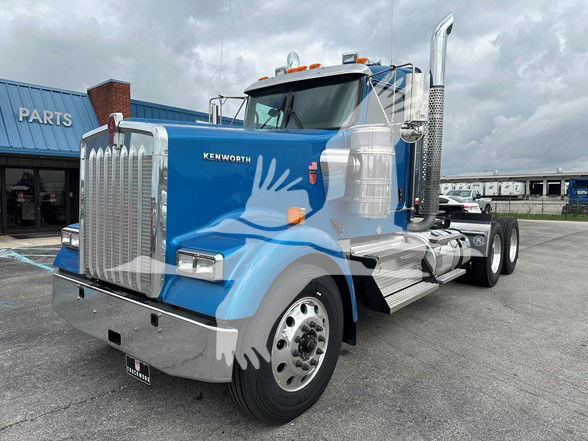
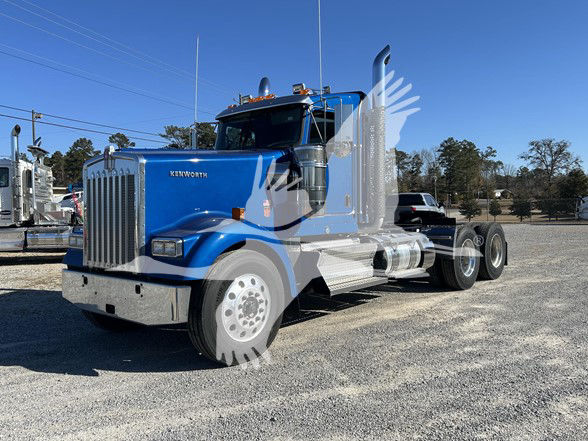
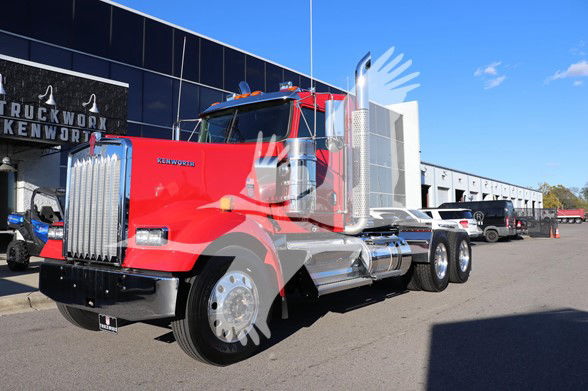
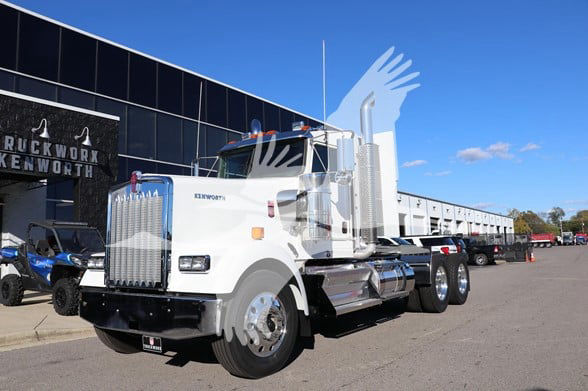
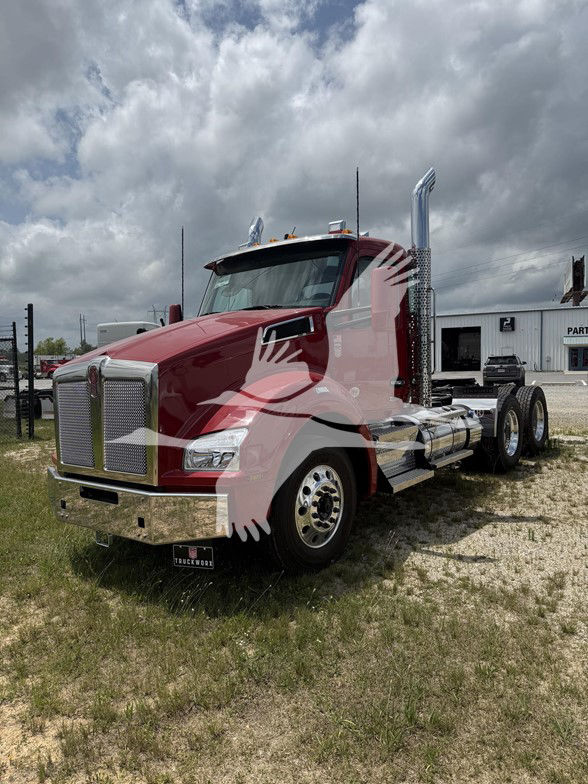
2026 Kenworth T880
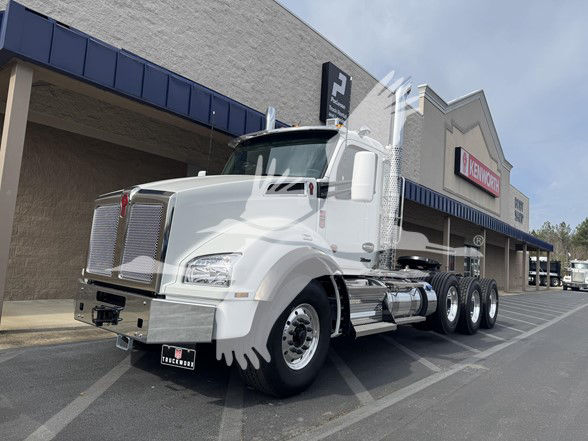

Have new commercial truck to sell? List it here to reach thousands of buyers.
New Commercial Trucks in Mississippi
Frequently Asked Questions about New Commercial Trucks in Mississippi
What should I look for first when buying a new truck in Mississippi?
Start with the application, because body type, wheelbase, axle rating, and gearing all follow that decision. A truck meant for a dump body, lowboy work, or a PTO-driven vocational setup needs a different frame, suspension, and transmission specification than a regional daycab tractor. In Mississippi, buyers also pay close attention to cooling capacity, suspension durability, and tire size because trucks often see a mix of highway miles, jobsite access, and heavy summer heat.
What is the difference between a cab and chassis truck and a conventional daycab?
A cab and chassis truck is sold with the cab and frame rails ready for a body or upfit, such as a dump body, rollback, service body, mixer, or other vocational installation. A conventional daycab is typically spec'd as a tractor for pulling trailers and is common in regional haul, heavy haul, and local freight work. Some models can be configured either way, so the frame length, rear suspension, PTO provisions, and axle placement matter more than the cab style alone.
Are tandem axle and tri-axle new trucks both common for Mississippi work?
Yes. Tandem axle trucks are the standard choice for many highway and vocational applications because they balance payload capability, maneuverability, and operating cost. Tri-axle configurations are often selected for heavier vocational work, lowboy service, or applications where additional capacity and weight distribution are important. The right choice depends on gross vehicle weight requirements, bridge law considerations, and the type of trailers or bodies the truck will handle.
Why do horsepower, rear-end ratio, and transmission matter so much on a new truck?
These three specs determine how the truck feels under load and how well it matches the intended route and payload. Higher horsepower and deeper rear-end ratios are often preferred for heavy haul, lowboy, and off-road vocational work where startability and grade performance are critical. A more moderate ratio may be better for regional highway use where fuel economy and cruise RPM matter more. Transmission choice also affects driver acceptance, PTO compatibility, and performance in stop-and-go or severe-duty service.
What wheelbase works best on a new truck?
The best wheelbase depends on body length, trailer swing clearance, bridge formula needs, and turning radius. Shorter wheelbases are generally easier to maneuver on jobsites and in tight local routes, while longer wheelbases may be necessary for larger bodies, lift axles, or heavy-haul tractor setups. On a cab and chassis truck, wheelbase should be matched carefully to the planned body and axle spacing so the finished truck carries weight correctly and remains compliant.