
New Kenworth Hooklift Trucks For Sale
Shop new Kenworth hooklift trucks built for roll-off container work, municipal fleets, waste, scrap, and site service applications.
Learn more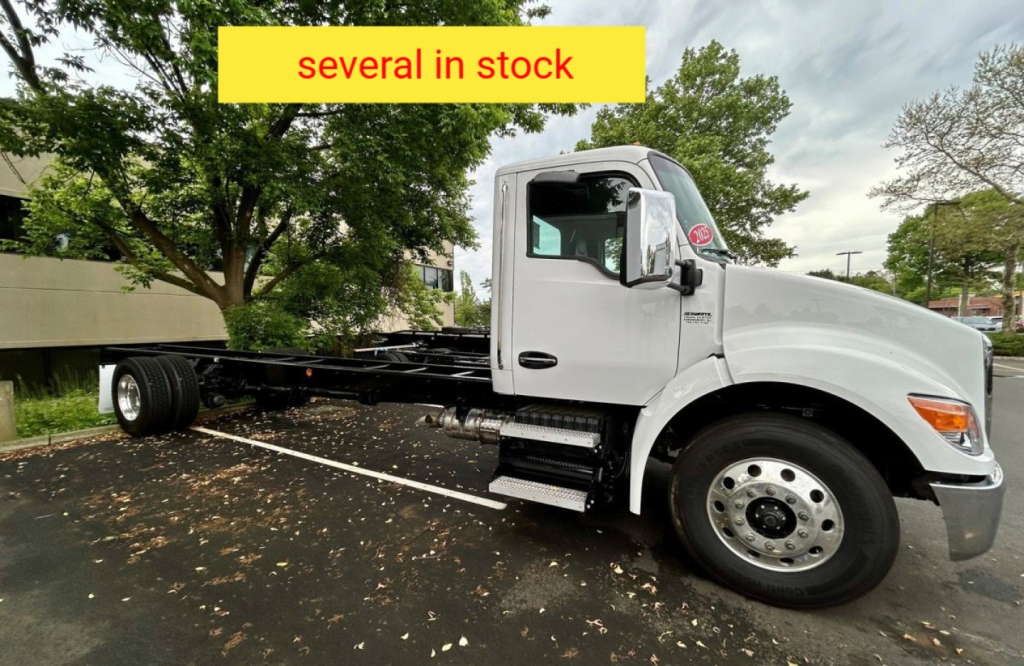
Have new kenworth hooklift truck to sell? List it here to reach thousands of buyers.
About New Kenworth Hooklift Trucks
On the Kenworth side, buyers usually focus first on chassis size, axle rating, wheelbase, and cab configuration because those choices determine what hooklift can be installed and what container lengths the truck can safely handle. Medium-duty platforms like the Kenworth T280 are common for 26,000-lb GVWR applications where maneuverability, CDL flexibility, and urban routing matter. These trucks are often spec'd with diesel power, automatic transmissions, and PTO provisions to support hydraulic operation. Body and hoist specs vary by intended work, but buyers should pay close attention to hook capacity, hoist type, container length range, frame reinforcement, and rear roller setup. If the truck will see uneven jobsite approaches or frequent alley placement, rear overhang and departure angle matter as much as raw lifting capacity.
The best spec depends on what the truck will carry most often. Waste and recycling routes may prioritize repeated container swaps, durable hydraulics, and clean controls for stop-and-go work. Construction and demolition fleets often need stronger hoists, better ground clearance, and a chassis that can handle denser loads without becoming overloaded on the steer or drive axle. Municipal buyers may also look for easier cab entry, good outward visibility, and straightforward controls because multiple operators may use the same truck. Common upfit considerations include tarping systems, pintle hitches, trailer plugs, backup cameras, work lights, toolbox placement, and cab-to-axle dimensions that match the intended body package.
A new Kenworth hooklift truck appeals to buyers who want a modern medium-duty platform with a refined cab, strong service support, and a chassis that can be tailored around a specific vocational body. The right truck is not just about rated capacity. It is about matching the hooklift geometry, axle spread, suspension, brakes, and wheelbase to the containers you actually run. Buyers comparing listings should look beyond model year and horsepower and confirm the truck's GVWR, usable payload, hook height, jib style, PTO and hydraulic configuration, and any upfit details from manufacturers such as Palfinger or similar hooklift suppliers. Those details determine how productive the truck will be in real day-to-day service.
Frequently Asked Questions
What is a hooklift truck used for?
A hooklift truck is used to load, unload, and interchange containers or removable bodies with a hydraulic hoist system. Common applications include waste removal, recycling, scrap handling, construction debris, equipment delivery, municipal cleanup, and site service work. The main benefit is versatility because one truck can work with multiple body types instead of being limited to one permanently mounted body.
What should I check when comparing new Kenworth hooklift trucks?
Start with GVWR, front and rear axle ratings, wheelbase, cab-to-axle dimension, and the hooklift's rated capacity. Then confirm the container length range, hook height, hydraulic system setup, PTO configuration, and any frame reinforcements required by the hoist manufacturer. It is also important to verify how the truck is balanced when loaded because a hooklift carrying dense material can overload an axle even if the total weight appears to be within the gross rating.
Is a Kenworth T280 a common platform for a hooklift body?
Yes. The Kenworth T280 is a common medium-duty platform for hooklift applications, especially in 26,000-lb GVWR configurations where maneuverability and non-CDL operation may be important. It is often chosen for urban container work, municipal service, and contractor fleets that want a versatile chassis with diesel power, automatic transmission options, and a cab designed for frequent stops and driver turnover.
How do container size and hooklift capacity affect the truck spec?
Container size and hooklift rating directly affect wheelbase, rear overhang, axle loading, and overall stability. Longer containers need the right cab-to-axle and frame length, while heavier containers require enough hoist capacity and axle rating to safely lift and transport the load. A mismatch between body geometry and chassis dimensions can limit what the truck can pick up, reduce payload, or create poor weight distribution in real operating conditions.
Are hooklift trucks good for municipal and contractor fleets?
Yes. Hooklift trucks are widely used by municipal and contractor fleets because they reduce the need for multiple dedicated trucks. A single chassis can rotate between dumpsters, flatbeds, leaf collection bodies, equipment bodies, and specialty containers. That flexibility can improve utilization, especially for fleets handling seasonal work, mixed jobsite tasks, or routes where the truck needs to switch functions during the same shift.