
New HICKS Trailers For Sale
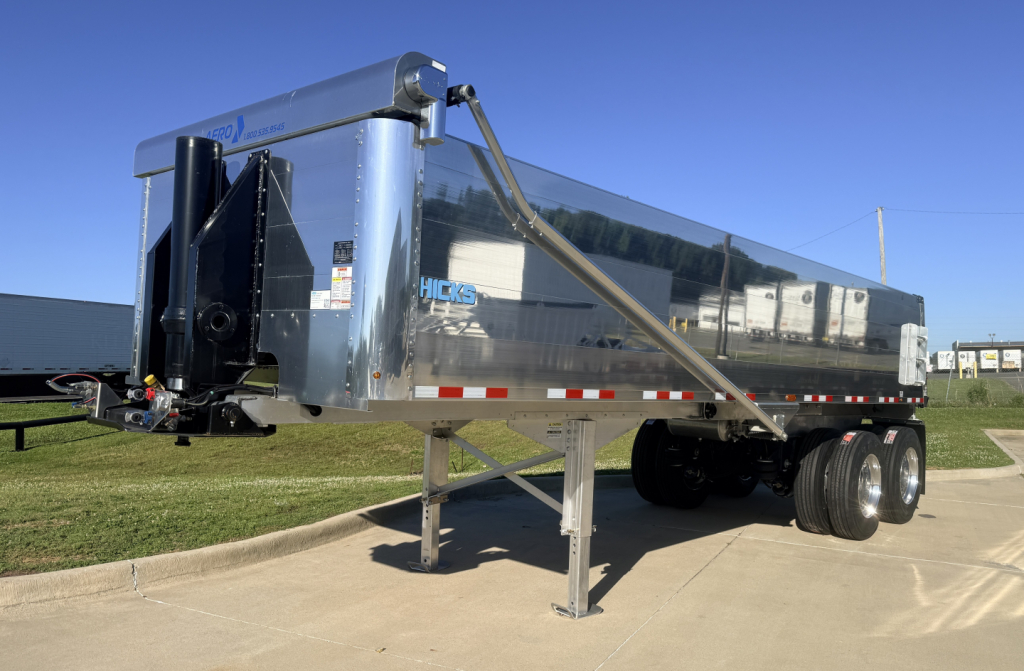
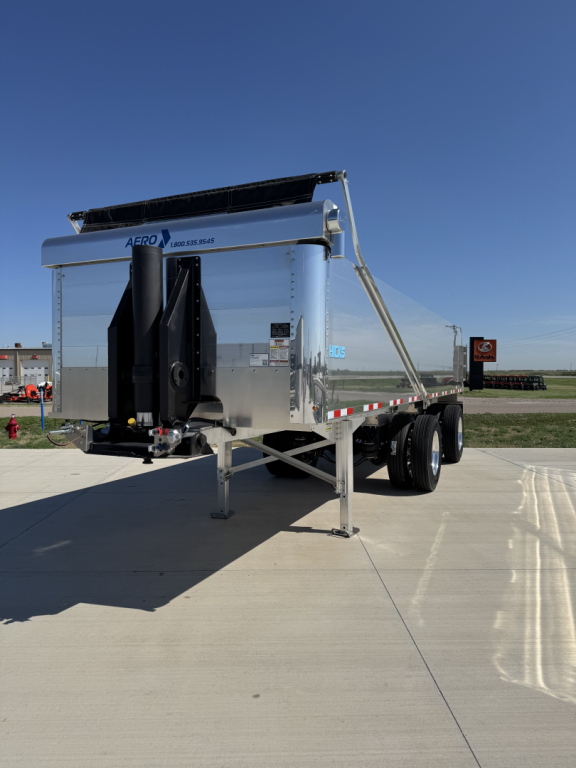
Shop new Hicks dump trailers, including frameless aluminum end dumps built for aggregate, demolition, and bulk hauling applications.
Learn more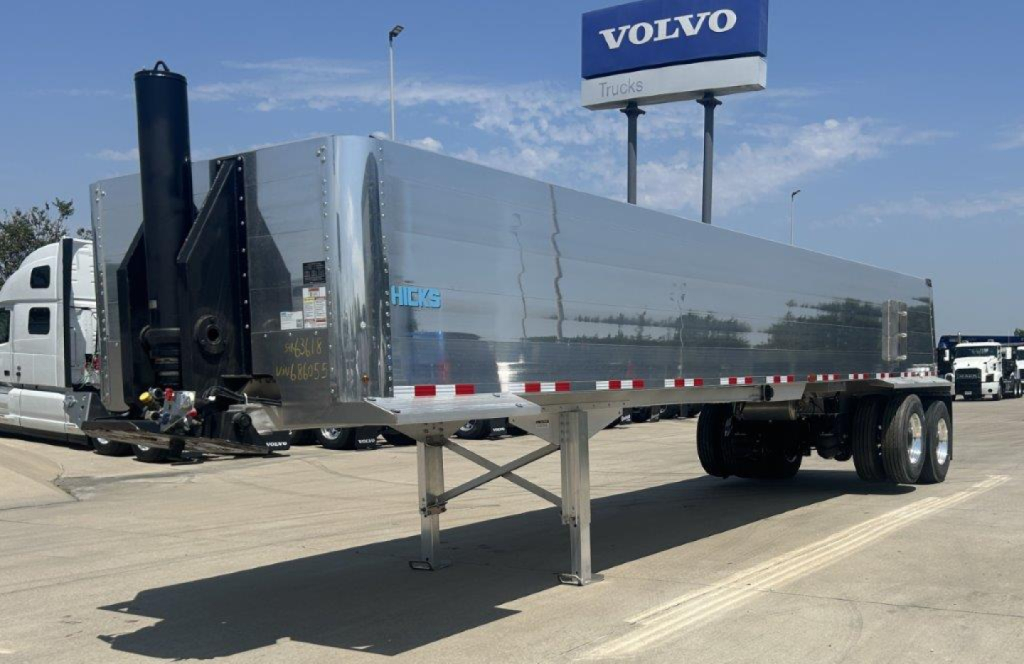
Have new hicks trailer to sell? List it here to reach thousands of buyers.
About New HICKS Trailers
The main decisions usually come down to body length, liner configuration, gate style, and suspension setup. In this group, common examples include 28-foot and 39-foot aluminum end dumps, typically tandem axle units with air ride suspension, drum brakes, and 24.5-inch rubber. Shorter bodies can be easier to maneuver in tight pits, plants, and urban jobs, while longer bodies are a better fit for operations chasing cubic capacity on lighter material. A floor liner is an important spec on any end dump expected to handle abrasive material or demo loads. Buyers should also pay close attention to tarp system design, front and rear fenders, ladder placement, kingpin setting, and landing gear style, since these details affect both daily usability and compatibility with the tractors already in the fleet.
Hicks dump trailers in this class are often equipped with practical fleet features such as auto-sensing lift axles, electric tarp systems, electric tailgate controls, and tire inflation systems. Those options matter because they directly affect cycle time, tire life, and unloading efficiency. An auto lift axle can help reduce scrub and operating cost when running empty or lightly loaded. Tire inflation systems are valuable for fleets covering mixed road conditions where heat, debris, and shoulder wear can shorten casing life. Tailgate configuration also deserves close attention. A top-hinged rear gate is common for free-flowing material, but the best choice depends on what you haul and how consistently you need the body to clear during dump cycles.
For a buyer comparing new Hicks trailers against other aluminum end dumps, the key is to match the trailer to the commodity and route profile. A light trailer is only part of the equation. Floor thickness, liner length, suspension brand, hoist compatibility, and gate control layout all affect uptime and resale. If the trailer will spend most of its life in aggregates, prioritize abrasion protection and stable dump geometry. If it will split time between road miles and varied jobsite conditions, focus on weight balance, axle spec, and maintenance-friendly components. Hicks trailers generally fit fleets that want a purpose-built aluminum dump trailer with straightforward specs, strong payload potential, and features that support high-cycle bulk hauling.
Frequently Asked Questions
What type of trailers is Hicks best known for?
Hicks is commonly associated with aluminum dump trailers, especially frameless end dump trailers used in aggregate, construction, and bulk material hauling. These trailers are designed to keep empty weight down while maintaining the body strength needed for repeated dump cycles. For many buyers, Hicks is a brand considered when payload capacity, corrosion resistance, and simple, job-ready specs are priorities.
What is the advantage of a frameless aluminum end dump trailer?
A frameless aluminum end dump trailer is built to reduce tare weight and increase legal payload compared with heavier steel or frame-type configurations. The frameless design can also offer good body flexibility and efficient material discharge when properly spec'd for the application. Aluminum construction helps with corrosion resistance, which is important for fleets operating in wet, abrasive, or seasonal road treatment environments.
How do I choose between a 28-foot and a 39-foot Hicks end dump?
The right body length depends on the material, route, and unloading environment. A 28-foot end dump is often easier to maneuver in tight jobsite conditions and can be a strong choice for dense commodities where weight limits are reached before cubic capacity. A 39-foot unit is better suited to operations hauling lighter bulk materials that benefit from additional volume. Buyers should compare legal payload, center of gravity during dump cycles, and the amount of room available at plants, pits, and customer sites.
What options matter most on a new Hicks dump trailer?
The most important options are usually the liner, suspension, axle setup, tarp system, and tailgate style. A floor liner protects the body when hauling abrasive materials and can extend service life. Air ride suspension can improve ride quality and reduce shock to the trailer and cargo. Lift axles, tire inflation systems, electric tarp systems, and remote or front-plumbed tailgate controls can all improve productivity and reduce operating cost over time.
What materials are Hicks end dump trailers commonly used to haul?
Hicks end dump trailers are commonly used for sand, gravel, crushed stone, asphalt millings, dirt, scrap, and some demolition-related materials. The exact suitability depends on the body spec, liner, gate configuration, and floor thickness. Heavier, abrasive, or irregular materials place more demand on the floor and body, so buyers should match the trailer construction to the commodity rather than choosing by length or weight alone.