
Mack Plow Trucks For Sale
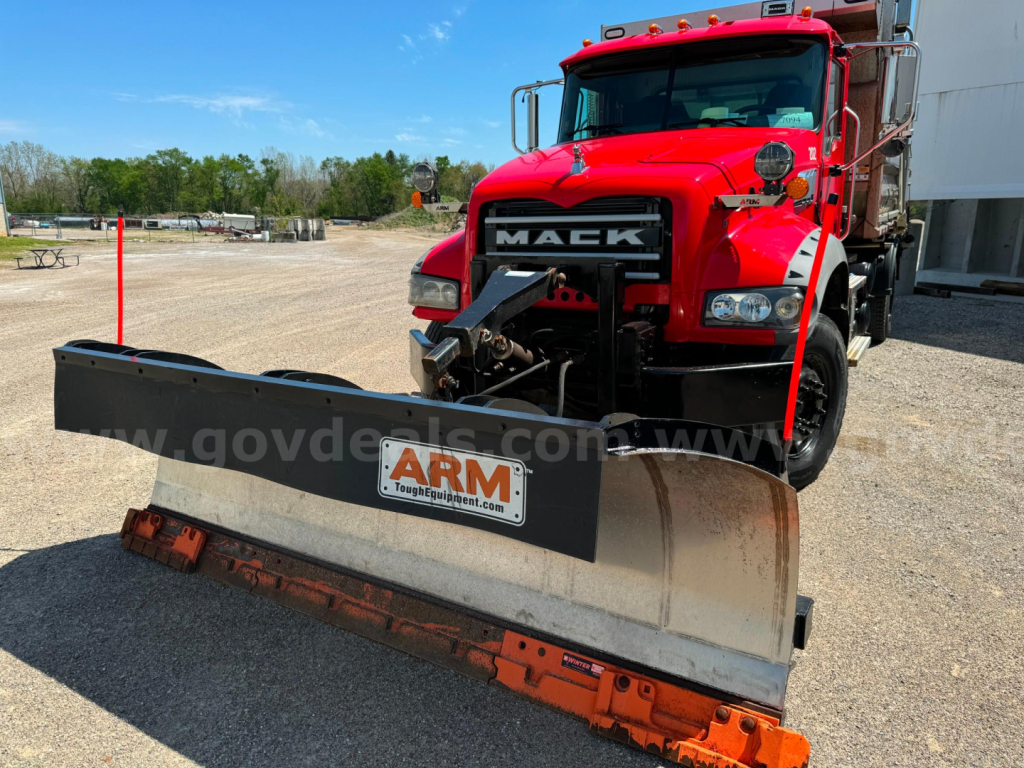
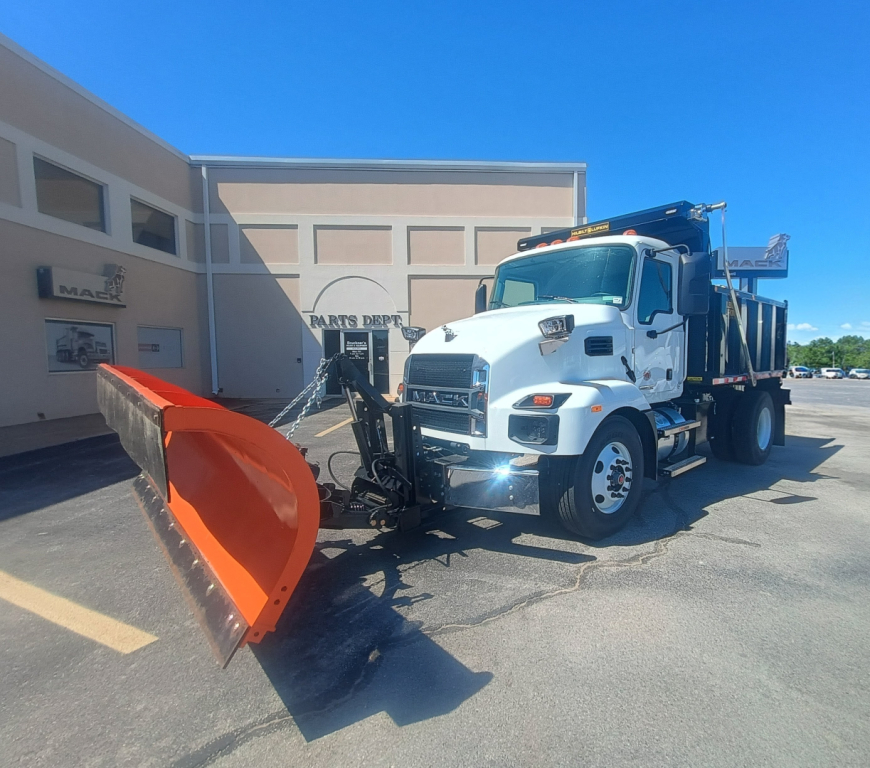
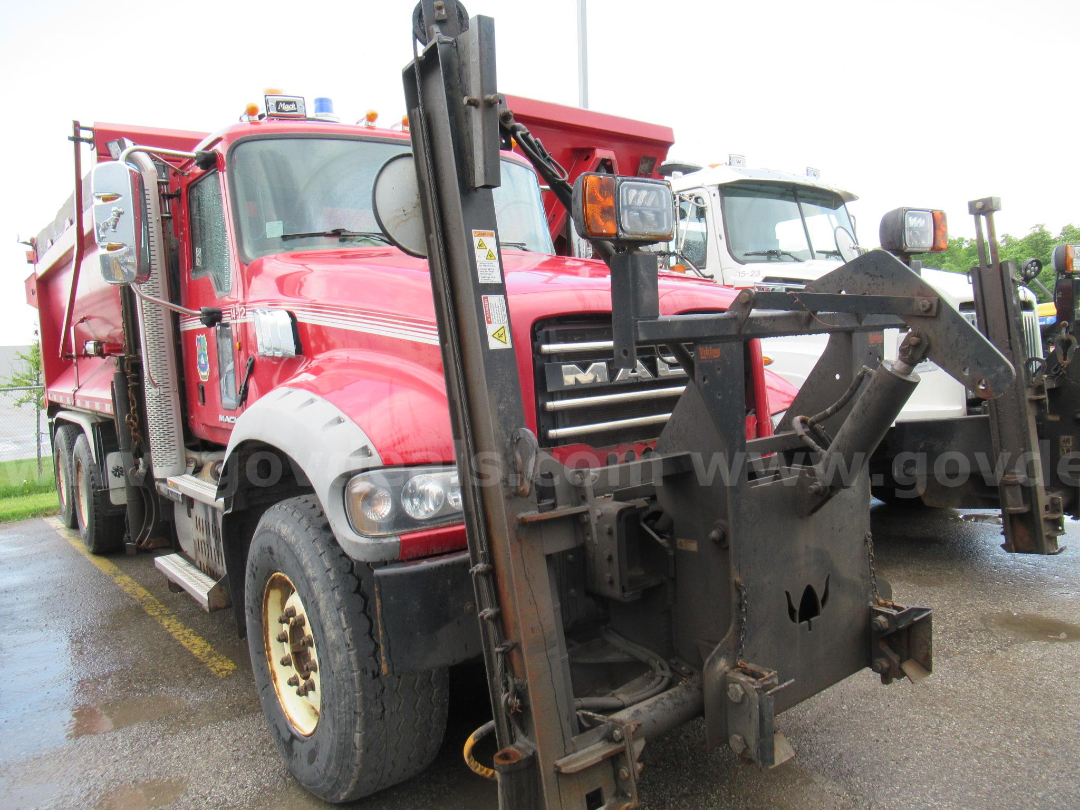
Shop Mack plow trucks with heavy-duty chassis, snow plow and spreader setups, and specs built for municipal and highway winter service.
Learn more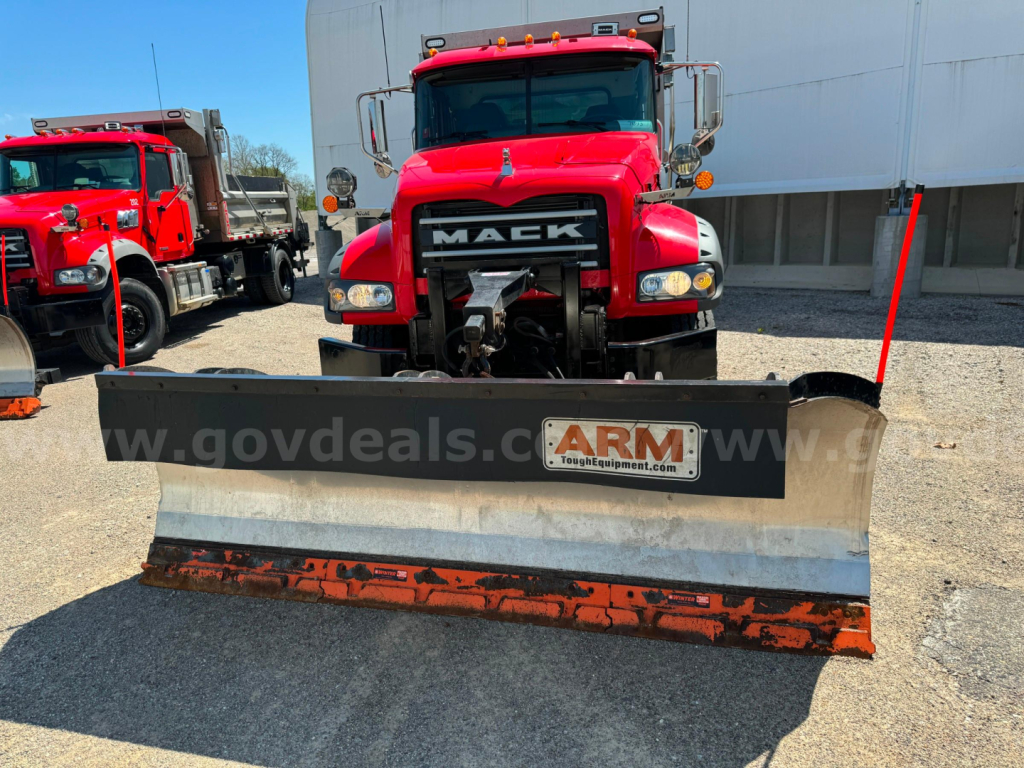

Have mack plow truck to sell? List it here to reach thousands of buyers.
About Mack Plow Trucks
The first decision is usually chassis class and axle layout. Tandem axle Mack plow trucks are the standard choice for highway departments and larger snow contracts because they offer better payload, traction, and stability with a wing and full spreader load. Single axle Mack plow trucks can make sense for city streets, parking lot approaches, and tighter secondary roads where maneuverability matters more than body capacity. Buyers should look closely at front axle rating, wheelbase, rear ratio, suspension type, and PTO or hydraulic setup. Snow equipment adds significant weight ahead of the bumper and on the frame, so front frame extension, axle capacity, and steering component condition deserve close attention.
Powertrain preferences usually center on dependable low-speed torque and automatic transmissions that hold up in constant stop-and-go work. Mack diesel engines and Cummins-powered medium-duty models are both common in this segment, often paired with Allison automatics for easier operation in snow and ice. Horsepower in this class can range from the low 300s into the mid 300s and beyond, but gearing, traction, and hydraulic response often matter more than peak power. If the truck includes a spreader, confirm hopper material, chain or auger feed type, controller function, pre-wet capability, and the condition of the spinner, conveyor, and body floor. On used municipal units, rust is normal, but buyers should separate surface corrosion from structural deterioration around spring hangers, cab mounts, frame rails, plow mounts, and spreader supports.
A good Mack plow truck should be evaluated as a complete snow package, not just a truck with a blade attached. Check the plow harness, hydraulic pump performance, wing tower and hinge points, cutting edge wear, lighting, sander controls, and any auto-lube or central lubrication system. Municipal maintenance records can add value because many of these trucks follow scheduled service intervals and annual inspections, even if the body shows hard seasonal use. For buyers comparing listings, the best unit is usually the one with the right axle ratings, attachment package, and documented operating condition for the route profile it will actually run.
Frequently Asked Questions
What Mack models are commonly used as plow trucks?
Mack Granite models such as the GU713 are among the most common heavy plow truck platforms because they are designed for vocational work and can handle front plows, wing plows, and spreader bodies on tandem axle configurations. Medium-duty Mack models like the MD series also appear in snow service, usually in single axle setups for municipal streets, smaller routes, and lighter snow operations. The right model depends on route size, desired payload, attachment weight, and whether the truck will run local streets or higher-speed highway service.
Is a tandem axle Mack plow truck better than a single axle for snow work?
A tandem axle Mack plow truck is usually the better fit for highway departments, county roads, and any operation that wants a larger spreader body, more material payload, and improved traction in poor conditions. A single axle truck is easier to maneuver and can be a smart choice for urban streets, subdivisions, and tighter plowing environments. The better option comes down to route width, average storm depth, material capacity needs, and how much front and side plow equipment the chassis must support.
What should I inspect on a used Mack plow truck?
Focus on the truck's structural and operational condition before cosmetic appearance. Key areas include frame rails, front plow mount, wing mount structure, hydraulic lines, cylinders, pump operation, spreader floor and chain condition, front axle wear, steering components, suspension, and corrosion around mounting points. It is also important to test all controls, warning lights, work lights, and plow functions because electrical and hydraulic issues can be expensive to sort out right before winter.
Are automatic transmissions common in Mack plow trucks?
Yes, automatic transmissions are very common in plow truck applications, especially Allison automatics. Snow work involves constant shifting, repeated stops, low-speed maneuvering, and frequent direction changes, so an automatic can reduce driver fatigue and improve control on slippery surfaces. Many fleet buyers prefer an automatic because it simplifies training and helps maintain consistent operation across multiple drivers during long storm events.
Do municipal Mack plow trucks make good used purchases?
Municipal Mack plow trucks can be strong used buys when they come with documented maintenance history, complete attachment packages, and solid structural condition. Many government fleets follow routine inspection and service schedules, which helps preserve driveline reliability. The tradeoff is that these trucks often show rust, worn paint, drilled interiors, and other signs of seasonal duty, so buyers should judge them on frame condition, hydraulic performance, attachment wear, and readiness for the next storm season.