
Lowboy Trailers For Sale in Wisconsin
Lowboy trailers for sale in Wisconsin. Compare deck height, axle setups, load angle, capacity, and heavy equipment hauling options.
Learn moreBrowse Lowboy Trailers by Make

Have lowboy trailer to sell? List it here to reach thousands of buyers.
About Lowboy Trailers in Wisconsin
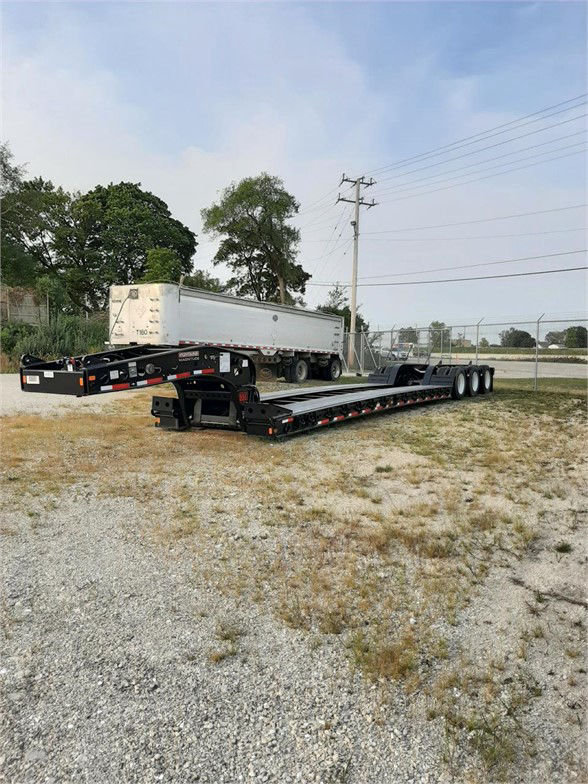
A typical heavy haul lowboy in this class may run a 50 to 55 ton rating with tandem or tridem axle groups, a 102-inch overall width, and a deck height in the 18-inch to 24-inch range depending on model and suspension setup. Lower deck height helps with legal height and machine stability, but it also changes ground clearance and load angle, which is critical for pavers, rollers, and other low-clearance machines. Many buyers compare flat low deck designs against roller paver styles because tapered main beams can make loading easier on equipment that tends to drag at the breakover. Deck length, boom well length, axle spread, swing clearance, and neck adjustment positions also deserve close attention, especially if the trailer will see mixed fleets or multiple machine types over the course of a season.
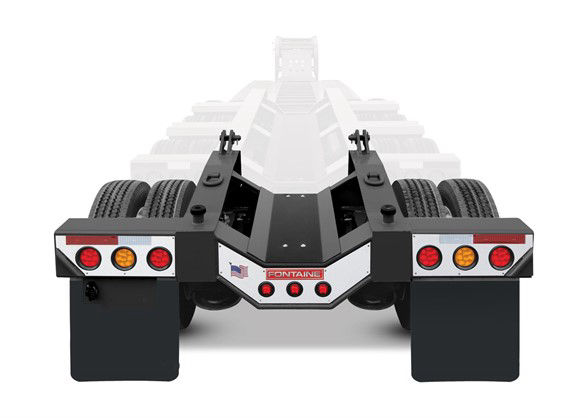
Detachable gooseneck lowboys are common because they allow equipment to be driven on from the front, which is often safer and more practical for tracked machines and heavier iron. Mechanical and hydraulic removable gooseneck designs both have a place, depending on how often the neck will be detached and how much setup time matters to the operation. Buyers should also look at rear bogie design, ride height adjustment, air ride suspension, lift axles, and compatibility with flip axles or spreader bars when higher payloads or bridge compliance are part of the job. Features like outriggers, covered wheel areas, front ramps, storage trays, wood flooring, and tire inflation systems can make a real difference in day-to-day use, especially for fleets that load different machines week to week.
In Wisconsin, lowboy trailer selection often comes down to route requirements, permit strategy, and the type of equipment being moved between farms, quarries, road projects, and contractor yards. A trailer that works well for local construction support may not be ideal for longer multi-state heavy haul work. Buyers should match the trailer to actual load dimensions, machine track width, point loading, and the truck specs pulling it, including fifth wheel height and axle weights. A well-matched lowboy improves legal compliance, loading speed, and tire and suspension life, while a poor match usually shows up fast in deck damage, clearance issues, and permit headaches.
Frequently Asked Questions
What is the difference between a lowboy trailer and a flatbed trailer?
A lowboy trailer has a dropped deck that sits much lower to the ground than a standard flatbed trailer. That lower deck height allows taller equipment to be hauled while staying within legal overall height limits. Lowboys are typically used for construction and heavy equipment because they also provide better stability for high-center-of-gravity loads and are often configured with detachable goosenecks for front loading.
What capacity lowboy trailer do most equipment haulers need?
The right capacity depends on the heaviest machine you plan to haul, the length over which the trailer is rated, and the axle setup required for legal distribution. In this segment, 50 ton and 55 ton lowboys are common choices for excavators, dozers, rollers, and paving equipment. Buyers should look beyond the headline ton rating and confirm the capacity in a stated deck area such as 10 feet, 12 feet, or 16 feet, because that is what determines real-world suitability for concentrated equipment loads.
Why does deck height matter so much on a lowboy?
Deck height directly affects loaded overall height, machine stability, and loading geometry. An 18-inch loaded deck can create more legal height margin than a taller deck, which is valuable when hauling larger machines. At the same time, lower decks can reduce ground clearance, so buyers hauling pavers, rollers, or other low-clearance equipment need to pay close attention to load angle, breakover, and beam design to avoid dragging during loading and unloading.
Should I choose a triaxle lowboy with a flip axle option?
A triaxle lowboy is a common starting point for heavier equipment because it balances payload capability with maneuverability. A flip axle can add flexibility when you need more capacity or better axle distribution for permits and bridge formulas. The key is making sure the trailer is designed for the specific flip axle, rear axle group, or spreader configuration you may need later. That compatibility affects both legal operation and resale value.
What features are worth paying for on a lowboy trailer?
The most valuable options are the ones that improve the kind of loading and routing you do every week. Outriggers help with wider machines and attachment support. Ride height adjustment and lift axles add flexibility. Front ramps, covered wheel areas, storage trays, and durable flooring improve usability. For fleets that handle multiple machine types, swing clearance, neck adjustment positions, and attachment points for flip axles or spreader bars are often more important than cosmetic upgrades.