
Logging Trucks For Sale
No exact matches found for your search
Showing Commercial Trucks instead.
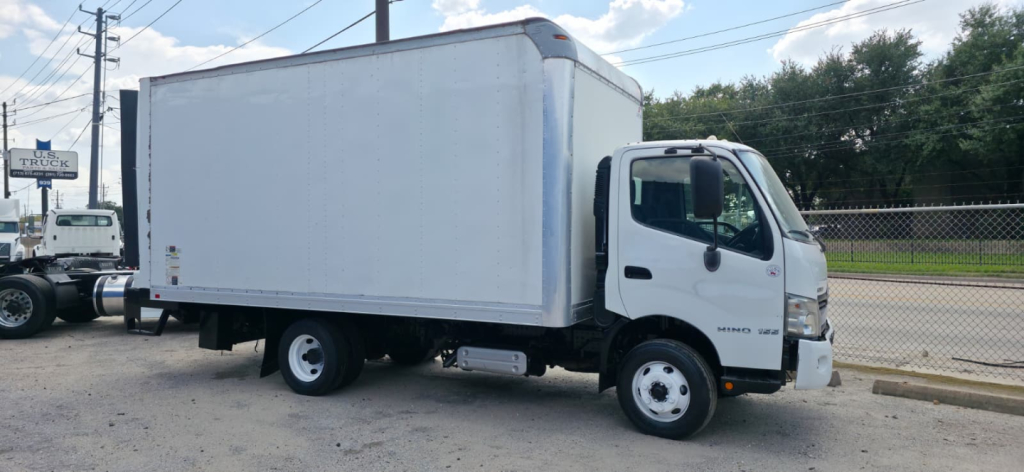
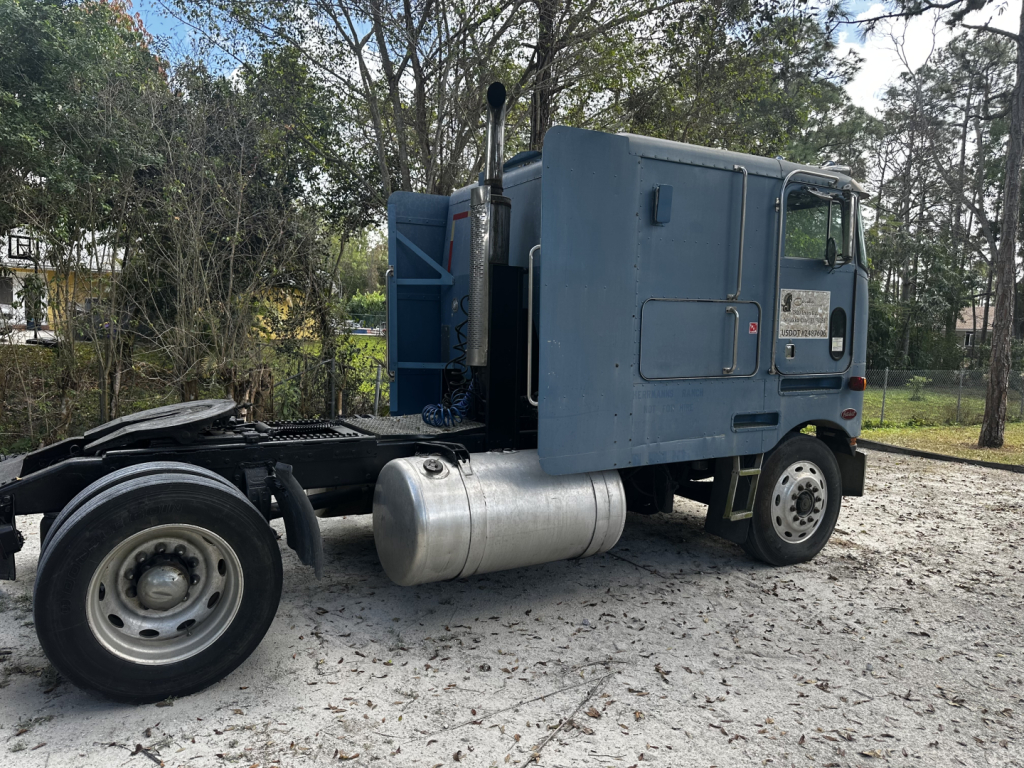
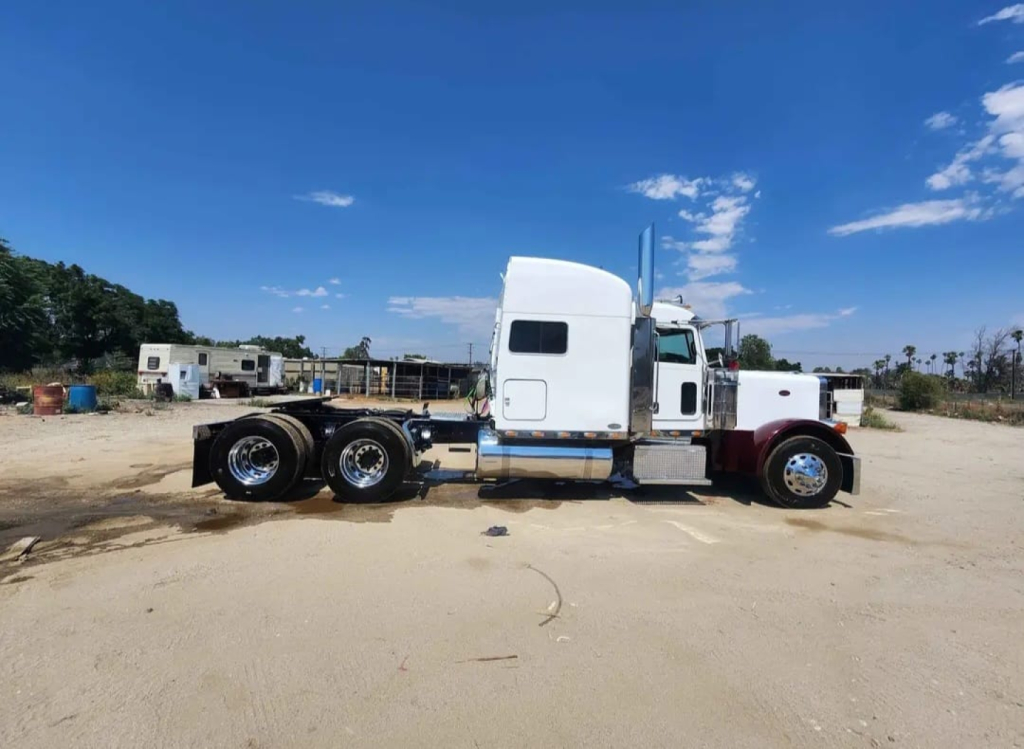
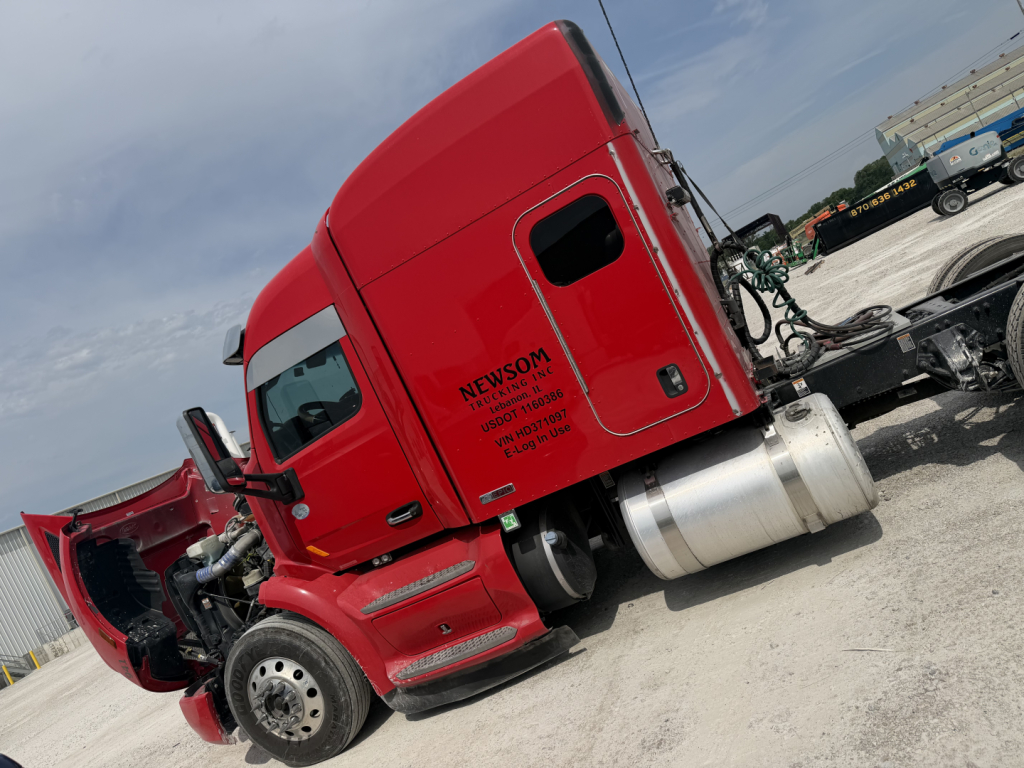
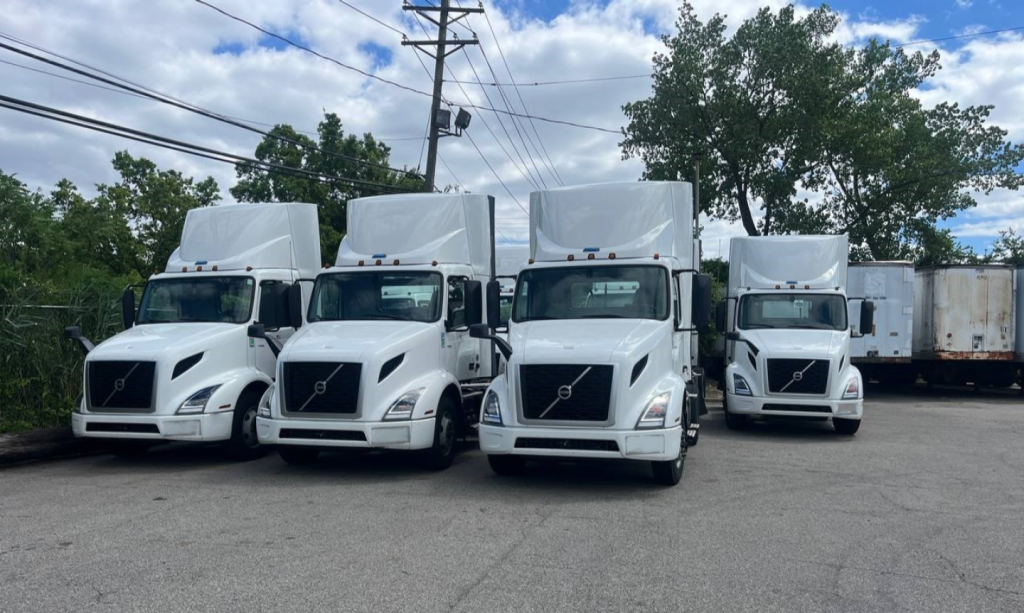
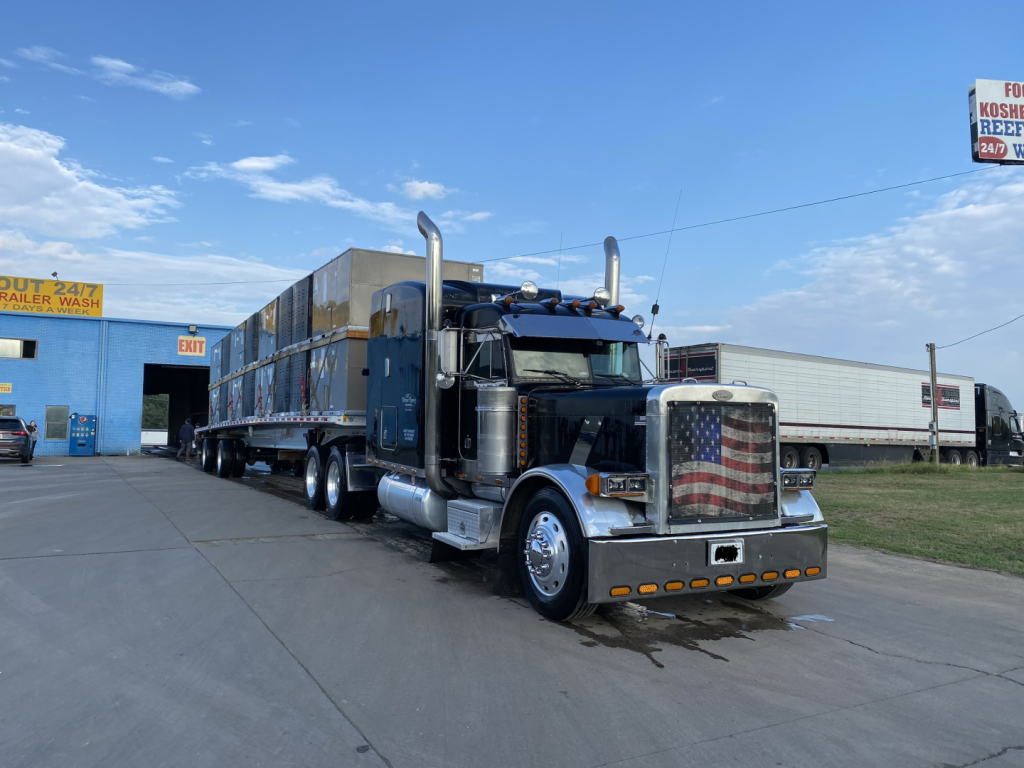

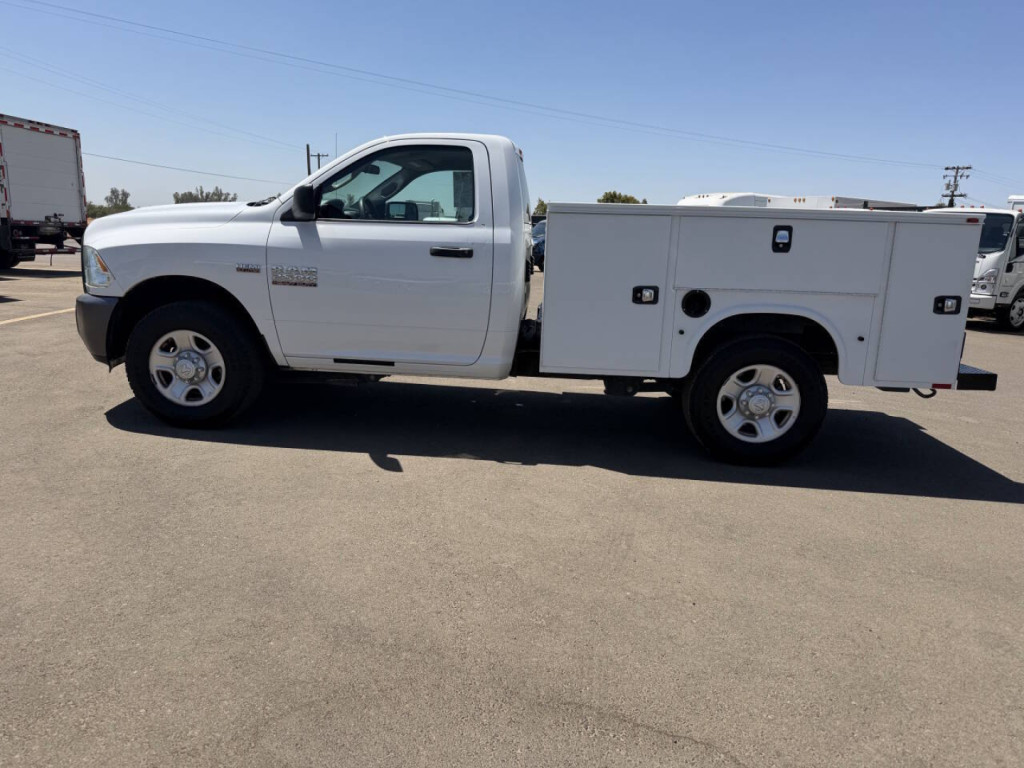

Showing 1 to 12 of 3,024 results
Have logging truck to sell? List it here to reach thousands of buyers.
Logging Trucks
Spec focus should match terrain and weight law. Frames are commonly double-rail with heavy front tow eyes and crossmember reinforcements. Front axles are often 16k to 20k with off-road springs and steering stops set for tire clearance; tandems run 40k to 46k, with 52k or tri-drives in rough country. Full locking differentials, interaxle power dividers, deep rear ratios in the mid 4s to low 5s, and 11R24.5 lug tires help in mud and grades. Hendrickson walking beam, Chalmers, or camelback spring suspensions are valued for durability; air ride rides better on highway but can feel tippy off-road. Powertrains lean on 13L to 15L engines with 1,850 to 2,050 lb-ft, usually paired with 13- or 18-speed manuals; modern AMTs with off-road modes and creeper gears work well if calibrated and driven correctly. Self-loaders require a live PTO and wet kit sized for continuous duty and cold-weather performance.
Trailer and configuration drive payload and maneuverability. Western stinger-steer pole trailers with a reach tube excel in tree-length and can be paired with jeeps or boosters where state laws allow higher gross weights. Short loggers with multiple bunks and a fifth wheel are common in the South and Lake States for pulpwood and cut-to-length; B-trains appear in parts of Canada for high-gross applications. Inspect bunk width and bolster wear surfaces, stake pockets, reach bushings, wrapper chain tie points, scuff protection, and on-board scale systems. Wheelbase and kingpin or reach settings must satisfy bridge formulas while keeping turning radius tight for landings and mill yards.
Operating profile matters. Frequent low-speed, low-exhaust-temperature work can challenge aftertreatment systems, so spec high-idle controls, exhaust insulation, and DPF service plans to avoid forced regens. Guarding for oil pans, DEF tanks, and SCR catalysts pays off on rutted haul roads; add heated mirrors, winter fronts, and arctic hydraulic oil in northern routes. Choose drum brakes for durability in grit unless your lanes are mostly highway. Trade-offs are straightforward: spring suspensions and manual transmissions favor durability and control, air ride and AMTs favor driver comfort and on-road efficiency. For used units, prioritize straight rails without flange rust jacking, tight loader pins and rotators, dry wet-line components, unworn bolster pins, intact stakes, and healthy lockers and power dividers to keep uptime high and net legal payload consistent.
Frequently Asked Questions about Logging Trucks
What is the difference between a self-loader log truck and a standard logging truck?
A self-loader uses an onboard knuckleboom and grapple to load and unload without site equipment, which improves flexibility on remote tracts and during staggered mill appointments. The trade-off is added tare weight that reduces net payload, additional hydraulic complexity, and more components to service in cold or gritty conditions. A standard non-loader configuration maximizes payload and typically runs faster cycle times where loaders are available at the landing or mill.
How much payload can a logging truck carry?
Payload depends on tare weight and the legal gross weight where you operate. On interstate routes under federal limits, 80,000 pounds gross is typical, which often yields roughly 20 to 24 tons net depending on specs. Many states and provinces allow higher gross weights on designated roads, especially with additional axles, jeeps, or boosters, which can raise net payload into the mid 20s to low 30s tons. On-board scales and accurate tare documentation help load to the limit without citations.
Which specs matter most for off-highway logging roads?
Look for double-frame rails, full locking differentials, deep axle ratios, heavy front axles, and durable spring or walking beam suspensions. Choose aggressive lug tires in 24.5 or tall 22.5 sizes, add belly and DEF/SCR guards, and spec a high-mounted air intake and sealed electrical connectors. If you run a loader, size the PTO and wet kit for continuous-duty flow and cold starts, and consider drum brakes for grit resistance.
Are automated manual transmissions a good choice for logging work?
Modern AMTs with off-road modes, hill-hold, and creeper gears can perform well, especially on mixed highway and woods routes. They reduce driver fatigue and protect clutches through automated controls. For very soft landings, frequent rocking, or precision spotting on steep grades, many operators still prefer 13- or 18-speed manuals for direct control. If choosing an AMT, confirm off-road calibration, proper rear axle ratios, and driver training to avoid clutch heat.
What should I inspect before buying a used logging truck or trailer?
Check frame rails for cracks and flange rust, crossmembers for distortion, and suspension bushings and hangers for wear. Verify lockers and power dividers engage under load, and inspect axle housings and wheel ends for leaks. On log gear, examine bunks and bolsters for cracks and thin wear plates, stake pockets and stakes for deformation, reach tubes and bushings for slop, wrapper chains and binders for damage, and on-board scales for accuracy. For self-loaders, assess boom pin and bushing play, rotator condition, cylinder leaks, and smooth operation at operating temperature.