
Laymor Trucking Equipment For Sale
Shop Laymor trucking equipment for sale, including towable sweepers built for road cleanup, parking lots, municipal work, and jobsite debris control.
Learn moreBrowse Laymor Trucking Equipment by Category
Have laymor trucking equipment to sell? List it here to reach thousands of buyers.
About Laymor Trucking Equipment
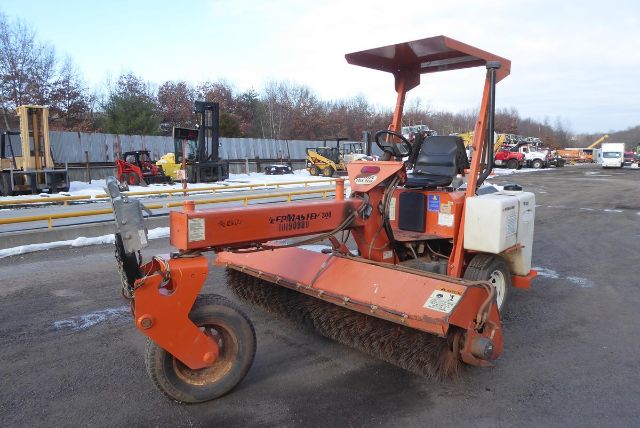
The main buying decisions are broom width, hopper capacity, water system condition, and overall towing practicality. Many Laymor sweepers use diesel power with hydrostatic drive systems and straightforward mechanical controls, which helps keep operation and service simple. A hydraulic angle broom is common, and buyers should pay close attention to broom wear, hydraulic response, tire condition, wheel bearings, and the condition of the spray bars or water tank if dust suppression matters in your application. On used units, hour meter readings help, but actual maintenance history and signs of frame or hitch wear often tell you more about remaining service life.
Laymor sweepers are a good fit for contractors handling millings, shoulder cleanup, sealcoat prep, and general site housekeeping. Municipal departments and property maintenance crews also use them for lot sweeping, curb line cleanup, and seasonal debris removal. Their compact size is a real advantage where access is tight or where a larger regenerative air or vacuum sweeper would be excessive. They are also known as pull-behind sweepers or tow-behind broom sweepers, and they are commonly paired with pickups, service trucks, or other support vehicles.
When comparing Laymor equipment, focus on how the machine matches the material you sweep most often. Fine dust, aggregate, chips, leaves, and heavier jobsite debris can all affect broom choice, water usage, and production rate. Check replacement part support for brushes, hydraulic components, engine service items, and running gear. A well-kept Laymor sweeper can be a practical low-overhead option for crews that need reliable cleanup equipment without the cost, footprint, or complexity of a full street sweeper.
Frequently Asked Questions
What is Laymor equipment most commonly used for?
Laymor equipment is most commonly used for sweeping and debris removal on parking lots, road shoulders, construction entrances, plant yards, and municipal surfaces. Towable Laymor broom sweepers are popular for picking up aggregate, dirt, millings, leaves, and general surface debris where a compact, mobile cleanup machine makes more sense than a large street sweeper.
What should I inspect first on a used Laymor sweeper?
Start with the broom assembly, hydraulic system, hitch and frame, water system, and engine condition. Check for broom wear, uneven brush contact, hydraulic leaks, slow actuator response, cracked welds around the tongue or frame, and corrosion or plugging in the water spray system. Tire condition, wheel bearings, and evidence of regular grease and fluid service also matter because many of these machines spend their lives moving between rough jobsites.
Are Laymor sweepers self-propelled or towable?
Many Laymor units in this size class are towable sweepers designed to be pulled by a truck or support vehicle. That makes them easier to transport between jobs and keeps operating costs lower than a dedicated self-propelled sweeper. Buyers should still verify overall dimensions, weight, tow coupling setup, and brake or lighting requirements for the way the machine will be moved.
Is a Laymor sweeper a good fit for municipal and contractor use?
Yes. Laymor sweepers are widely suited to municipal maintenance departments, paving crews, property maintenance contractors, and industrial facilities that need routine surface cleanup. Their value is in straightforward operation, compact footprint, and the ability to handle recurring cleanup work without the cost and complexity of a larger specialty sweeper.
What specs matter most when comparing Laymor sweepers?
The most important specs are sweep width, hopper or debris handling design, engine type, water capacity, machine weight, and overall transport dimensions. Buyers should also compare hydrostatic drive performance, broom angle adjustment, tire size, and service access. These details affect cleaning performance, dust control, ease of towing, and long-term maintenance cost.