
International Grapple Trucks For Sale in Florida
Shop International grapple trucks for debris, waste, storm cleanup, and tree service work. Compare Durastar and 7400 specs, booms, bodies, and GVWR.
Learn more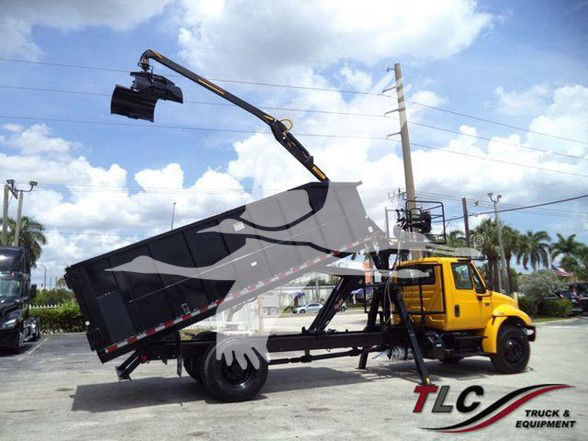
Have international grapple truck to sell? List it here to reach thousands of buyers.
About International Grapple Trucks in Florida
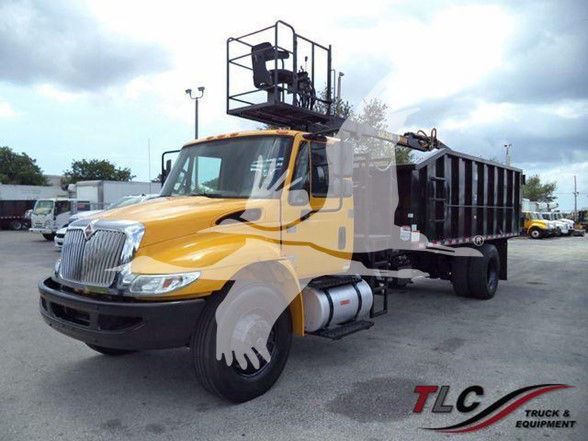
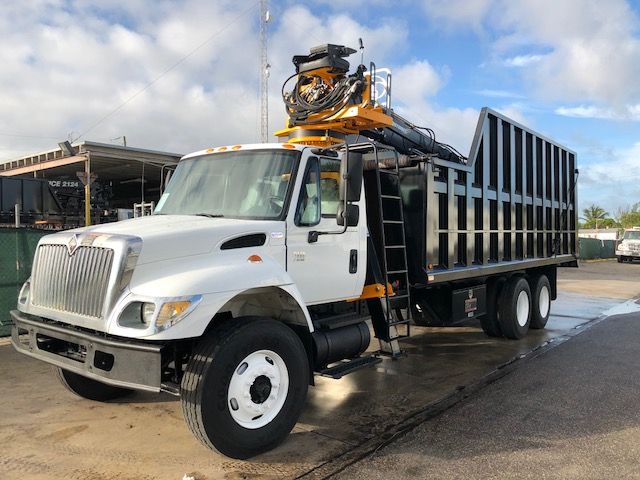
A key buying decision is matching the chassis class to the body and boom package. Medium-duty single-axle trucks in the 25,999 to 26,000 GVWR range can be attractive for certain licensing and route considerations, and they are commonly spec'd with 18-foot bodies in the 20 to 25 yard range. Heavier International 7400 tandem grapple trucks are better suited to larger boxes, heavier material streams, and loader packages with more reach and lift. Common specs in this segment include Cummins or International diesel engines, Allison automatic or manual transmissions such as an 8LL, air brakes, 22.5-inch rubber, and air ride or spring suspension depending on the intended duty cycle. On the crane side, buyers should compare boom reach, turret style, control layout, mid-reach lift rating, max-reach lift rating, and grapple opening size. Those numbers tell you far more about daily productivity than body capacity alone.
The upfit deserves as much scrutiny as the truck. Look closely at the dump body floor and sidewall condition, hoist model, subframe integrity, turntable wear, cylinder leakage, hose routing, and how the outriggers or stabilizers are holding up. A grapple truck used in brush and bulky waste service can hide structural fatigue in the body rails, tailgate, and loader pedestal, so it pays to inspect weld repairs and stress points. If the truck has a turret seat with manual controls, check operator visibility, control response, and swing smoothness. If it is spec'd for waste handling rather than log loading, confirm the grapple style matches the material stream. A waste grapple with a wide opening is useful for limbs, storm debris, and loose bulky material, while a heavier-duty setup may be needed for denser demolition loads.
For Florida operation, corrosion, hydraulic heat, and axle loading are practical concerns. Coastal use can accelerate rust on bodies, electrical connections, and exposed hydraulic components even when the cab presents well. High ambient temperatures also make cooling system condition and hydraulic oil management more important on trucks that spend long hours idling and cycling the boom. Buyers comparing International grapple trucks should pay attention to wheelbase, cab-to-axle dimension, body length, and boom placement because those factors affect turning radius, bridge law compliance, and how efficiently the truck can self-load without becoming nose-heavy or tail-heavy. A well-matched International grapple truck should give you stable loader performance, predictable maintenance, and enough body and boom capacity to keep the route moving without overspec'ing the chassis.
Frequently Asked Questions
What is the difference between an International Durastar 4300 grapple truck and an International 7400 grapple truck?
The Durastar 4300 is generally a medium-duty platform that is often used for smaller grapple bodies, lighter debris streams, and tighter urban routes. The International 7400 is a heavier vocational chassis that is better suited to tandem-axle configurations, larger dump bodies, heavier loader packages, and higher gross weight work. In practical terms, the 4300 often fits tree and municipal brush routes where maneuverability matters, while the 7400 is a stronger choice for bigger payloads, larger boxes, and more demanding construction or storm cleanup applications.
What boom and grapple specs matter most on a grapple truck?
Reach, lift capacity at mid reach and max reach, grapple opening, and control configuration are the core numbers to compare. A truck with a large body can still be inefficient if the boom cannot comfortably reach the far side of the box or lift material at working distance. Buyers should also check whether the loader uses a turret seat or another control arrangement, and inspect swing bearing condition, hydraulic cylinder performance, hose wear, and stabilizer function. The best spec is the one that matches the material being handled every day, not just the biggest published capacity.
Is a 26,000 GVWR International grapple truck enough for debris work?
A 26,000 GVWR single-axle grapple truck can be a very effective setup for lighter vegetation, brush, and bulky but low-density debris. It is commonly chosen for municipal collection, tree service, and jobs where maneuverability and route access are more important than maximum payload. The limitation appears when material density increases or body volume encourages overloading. Heavier wood, mixed C&D debris, and wet storm material can push a medium-duty truck to its limits quickly, so body size and expected debris type should be evaluated together.
What should I inspect first on a used International grapple truck?
Start with the upfit, not just the chassis. The dump body, hoist, pedestal, boom structure, turntable, outriggers, and hydraulic system take the brunt of vocational use and often determine the truck's real value. After that, review engine hours versus miles, PTO engagement, transmission behavior, brake condition, suspension wear, and signs of frame stress or corrosion. On International grapple trucks used in Florida, special attention should be paid to rust at body mounts, wiring connections, and hydraulic components exposed to moisture and salt air.
Are automatic transmissions common in International grapple trucks?
Yes. Automatic transmissions are common on medium-duty International grapple trucks because they simplify stop-and-go operation and reduce driver fatigue on collection routes. Manual transmissions still appear on heavier or older tandem units and can be a good fit for operators who want more control in severe-duty applications. The right choice depends on route density, driver preference, maintenance strategy, and the chassis and PTO setup supporting the hydraulic loader.