
Freightliner Sewer Rodder - Septic Trucks For Sale
Browse Freightliner sewer rodder and septic trucks with common specs, tank sizes, pump capacity, chassis options, and service applications.
Learn more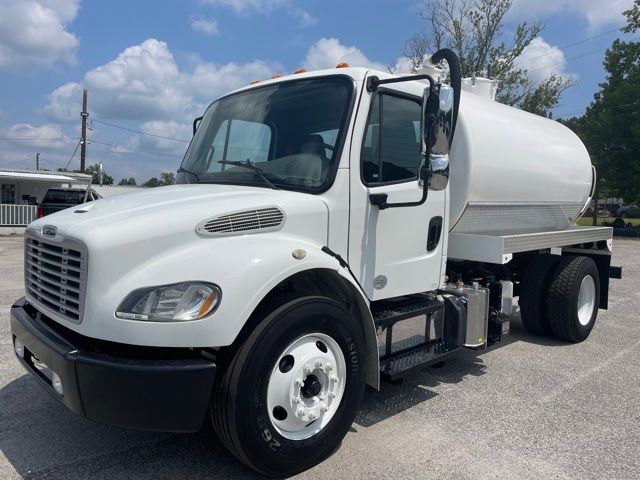
Have freightliner sewer rodder - septic truck to sell? List it here to reach thousands of buyers.
About Freightliner Sewer Rodder - Septic Trucks
Vacuum system performance matters as much as tank capacity. Many Freightliner septic trucks in this class are equipped with vacuum pumps in the 380 CFM range, which is a practical fit for routine septic tank pumping, lift station cleanout, and general liquid waste transfer. Hose package, reel layout, and discharge plumbing also affect day-to-day productivity. A truck with 100 feet of vacuum hose, workable discharge hose length, and a clean, accessible valve layout is easier to run on residential stops and commercial service calls. If the truck is intended for sewer rodding rather than straight septic work, buyers should confirm jetting equipment, water capacity, hose reel condition, and pressure ratings since not every vacuum truck is a true combination rodder.
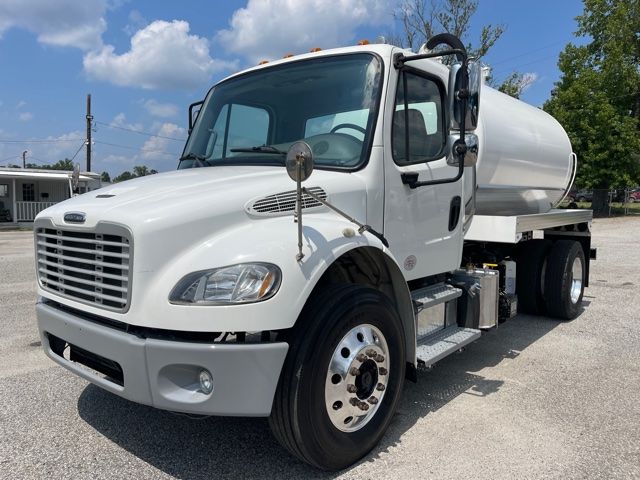
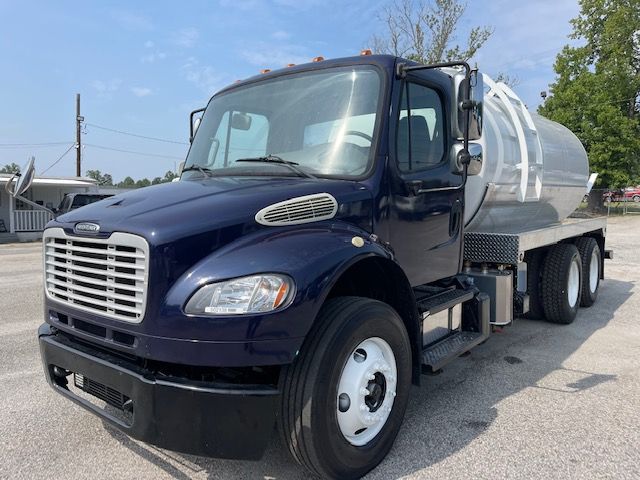
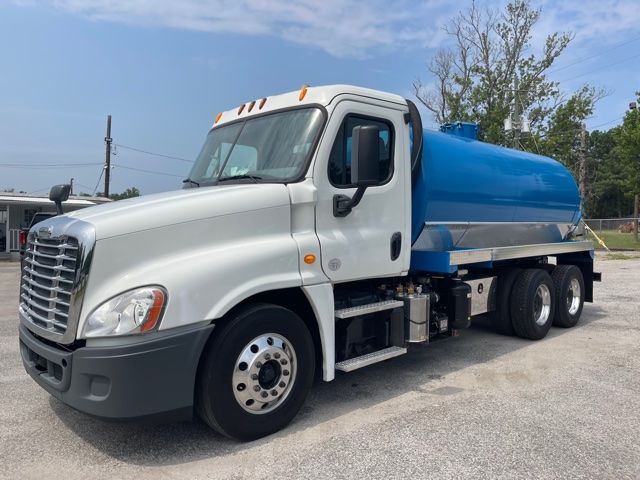
On the chassis side, Freightliner units in this category commonly use Cummins medium-duty diesel engines such as the ISB 6.7L or ISC, paired with either an Allison automatic or Fuller manual transmission. For stop-and-go septic routes, an Allison automatic is usually preferred for easier operation and reduced driver fatigue. A manual transmission can still make sense for buyers prioritizing simplicity or lower initial cost. Single-axle M2 trucks are generally better for residential access, narrow driveways, and urban service territory, while tandem-axle trucks support larger tanks and heavier-duty municipal or industrial applications. Wheelbase, suspension rating, PTO setup, and frame condition should all be checked closely because body equipment places very specific demands on the truck.
Condition of the tank and pump package should drive the buying decision more than cab cosmetics alone. Buyers should inspect the tank material, internal baffles, rear door or hatch sealing surfaces, pump hours if available, and the condition of hoses, valves, fittings, and hydraulic components. It also pays to verify recent service work, DOT inspection status, and whether the truck has a fresh tank or replacement pump. Freightliner remains a strong platform in this category because service parts are widely available and the M2 cab is familiar to many fleets, but the best truck is the one whose vacuum package, axle rating, and route profile match the work it will actually do.
Frequently Asked Questions
What tank size is common on a Freightliner septic truck?
A common tank size on a Freightliner septic truck is around 2,500 gallons on a single-axle chassis such as the M2. Larger tandem-axle trucks may carry 3,500 gallons or more, depending on axle ratings and local weight limits. Tank size should always be matched to the legal gross vehicle weight rating, the density of the material being hauled, and the type of route the truck will run.
Is a Freightliner M2 a good chassis for septic and sewer rodder work?
The Freightliner M2 is widely used in septic and vacuum truck service because it offers a good mix of maneuverability, cab comfort, and medium-duty parts availability. It works especially well for residential septic pumping, portable toilet routes, and commercial liquid waste service where tighter access matters. Buyers needing higher payloads or larger tanks may prefer a tandem Freightliner configuration, but the M2 remains one of the most practical chassis choices in this equipment class.
What is the difference between a septic truck and a sewer rodder truck?
A septic truck is primarily built to vacuum and transport liquid waste using a tank and vacuum pump. A sewer rodder truck uses high-pressure water jetting equipment to clear lines and often includes a water tank, hose reel, and jetting system. Some trucks combine both functions, but many units listed in this category are vacuum-oriented septic trucks rather than full combination sewer cleaners. Buyers should confirm pump type, water capacity, and jetting pressure before assuming a truck can perform rodding work.
What vacuum pump capacity is typical for this category?
Vacuum pumps in the 380 CFM range are common on medium-duty Freightliner septic trucks and are suitable for many everyday pumping applications. That level of airflow is often enough for residential septic tanks, grease traps, and general liquid waste recovery. Higher-demand municipal, industrial, or long-hose applications may require a different pump specification, so pump make, model, and condition should be reviewed along with tank size.
Should I choose an automatic or manual transmission in a septic truck?
An automatic transmission, especially an Allison, is usually the preferred choice for septic service because these trucks spend a lot of time in stop-and-go driving and repeated jobsite maneuvering. Automatics reduce driver fatigue and can improve ease of training in multi-driver fleets. A manual transmission can still be a solid option for operators who prefer direct control or want a lower upfront cost, but route density and driver availability often make the automatic more practical.