
Fontaine Flatbed Expandable Trailers For Sale
Shop Fontaine flatbed expandable trailers with specs, load considerations, axle setups, deck materials, and stretch lengths up to 80 feet.
Learn more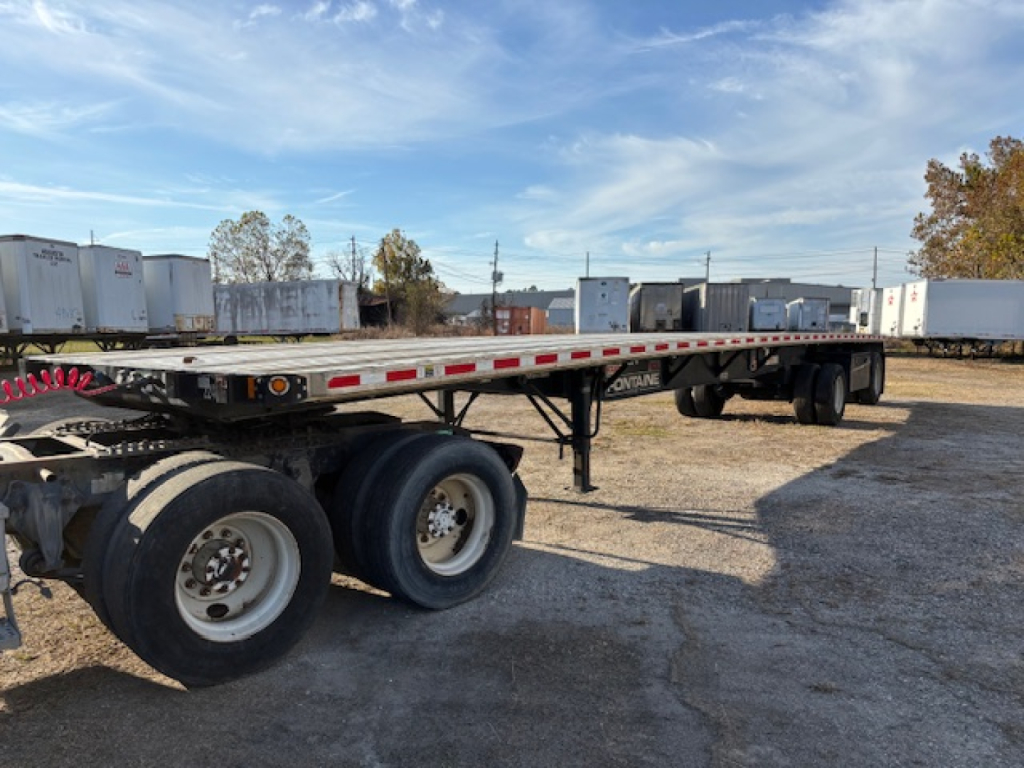
Have fontaine flatbed expandable trailer to sell? List it here to reach thousands of buyers.
About Fontaine Flatbed Expandable Trailers
A buyer should pay close attention to trailer construction, axle position, and suspension. Fontaine expandable flatbeds are found in both steel and aluminum configurations, with steel generally favored for durability and repairability and aluminum helping reduce tare weight and improve payload. Floor design matters too. Wood floors remain common for general freight and chain securement flexibility, while aluminum floors with nailers can reduce weight and hold up well in mixed commodity service. Tandem axle layouts are typical, and some units use sliding axle configurations to help with bridge law compliance and load distribution. Suspension can be spring ride or air ride depending on the intended freight and how much load protection matters.
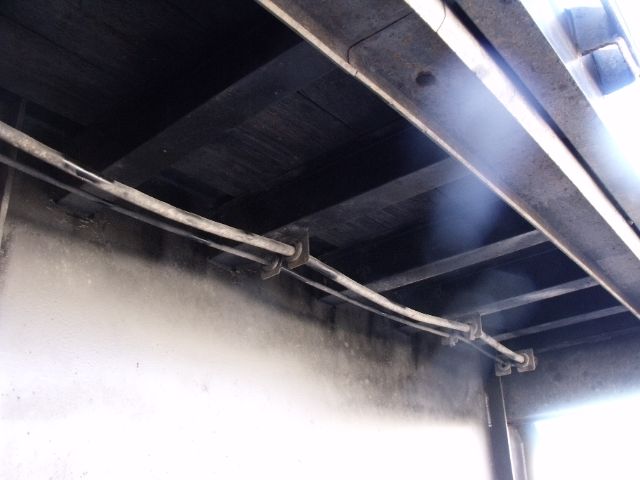
Securement setup is another major point of comparison. Expandable flatbeds are often equipped with sliding winches, stake pockets, rub rails, chain tie options, bulkheads or headboards, and toolboxes sized for binders, chains, and straps. Buyers hauling steel or machinery should inspect the winch arrangement, crossmember spacing, floor condition, and main frame integrity, especially on used trailers that have spent years running concentrated loads. On a stretch trailer, the extension mechanism itself deserves close review. Look at locking positions, wear in the telescoping frame, air and electrical line routing, and signs of stress around the extendable sections. A straight frame, consistent deck height, and clean extension operation matter more than cosmetic appearance.
Fontaine has long been a recognized name in the flatbed market, and that matters when parts support, resale, and shop familiarity are part of the buying equation. For many operations, a Fontaine flatbed expandable trailer is a practical middle ground between a standard flatbed and a more specialized platform trailer. The best match comes down to actual freight profile: closed length for everyday loads, maximum stretched length, trailer weight, deck material, suspension type, and securement package. Buyers who define those points early usually narrow the field quickly and end up with a trailer that earns across more than one lane or commodity type.
Frequently Asked Questions
What is a Fontaine flatbed expandable trailer used for?
A Fontaine flatbed expandable trailer is used for hauling long freight that exceeds the deck space of a standard flatbed. Common applications include pipe, structural steel, precast products, utility poles, building materials, machinery components, and fabricated loads with extra length but moderate height. It gives a carrier more flexibility than a fixed-length flatbed while avoiding some of the cost and specialization of step deck or heavy haul equipment.
How far do Fontaine expandable flatbeds usually extend?
Extension range varies by model, but many Fontaine expandable flatbeds start around 48 feet in the closed position and can stretch to 60, 70, or 80 feet. The right range depends on the freight mix. If most loads are standard flatbed freight with occasional overlength shipments, a trailer that stays practical when closed is usually the better choice. If long freight is the core business, maximum extension length and stability under stretched operation become more important.
Should I choose a steel or aluminum Fontaine expandable flatbed?
Steel trailers are typically chosen for durability, frame strength, and easier structural repair, especially in severe-duty service or operations hauling dense commodities. Aluminum trailers reduce tare weight and can improve payload, which matters when every pound counts. The tradeoff is application-specific. Buyers hauling mixed freight over long distances often value aluminum weight savings, while buyers in tougher loading environments may prefer the robustness of steel construction.
What should I inspect first on a used Fontaine flatbed expandable trailer?
Start with the extension mechanism, main frame, and suspension. On an expandable trailer, the telescoping section, locking points, and frame alignment are critical. After that, inspect floor condition, crossmembers, rub rails, winches, air and electrical lines, brake wear, tire condition, and axle position hardware. Evidence of concentrated load damage, cracked welds, or poor extension alignment is more important than normal cosmetic wear on an older trailer.
Are sliding axles important on an expandable flatbed trailer?
Sliding axles can be very useful because they help with load balance, bridge compliance, and state-to-state weight distribution. On long freight, axle placement affects legality and handling more than many buyers expect. A sliding tandem setup gives the operator more flexibility to position the load and trailer combination correctly, especially when the deck is extended and the freight does not sit evenly over the closed trailer footprint.