
Conventional Sleeper Trucks For Sale in New Mexico
Shop conventional sleeper trucks for long-haul freight, regional routes, and team operations with the sleeper sizes, power, and specs buyers compare.
Learn moreBrowse Conventional Sleeper Trucks by Make

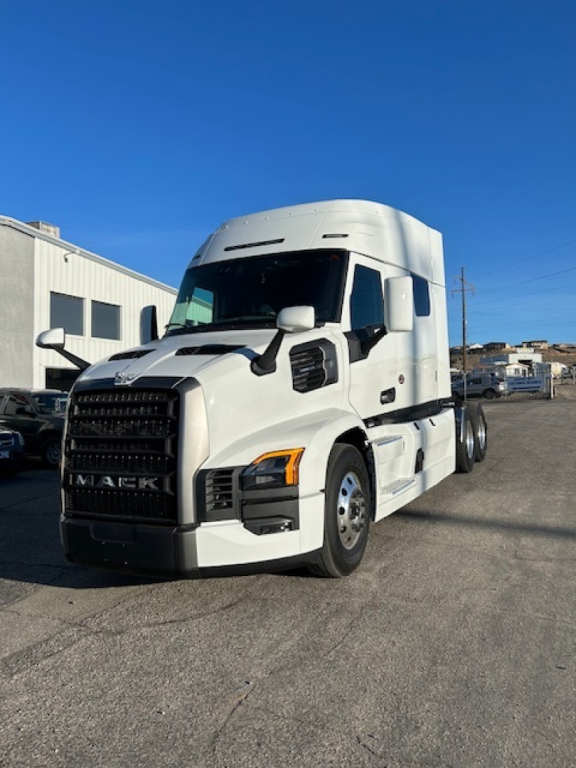
Have conventional sleeper truck to sell? List it here to reach thousands of buyers.
About Conventional Sleeper Trucks in New Mexico
For most fleets and owner-operators, the key spec range falls between 400 and 500 plus horsepower, with popular heavy-duty diesel platforms such as the Mack MP series, Volvo D-series, Cummins X15, Paccar MX, and International N13 depending on make and model. Transmissions are commonly automated manuals in 12 or 13 speed configurations, though some used trucks still carry manual gearboxes. Tandem rear axles with 40,000 lb ratings remain the standard setup for general freight, and rear axle ratios around 2.64 to 3.25 are common depending on cruising speed, terrain, and fuel economy goals. Sleeper sizes often run from mid-roof and shorter regional bunks up to 70-inch and larger sleepers intended for extended stays on the road or team service.
New Mexico buyers often pay close attention to cooling performance, engine brake strength, and gearing because long interstate runs, mountain grades, high desert heat, and wide mileage intervals can expose a weak spec quickly. A truck set up for flatter Midwest freight may not feel right on western grades if horsepower, torque, and axle ratio are too conservative. Wheelbase also matters more than many first-time buyers expect. A longer wheelbase can improve ride quality and match larger sleepers, but it can also affect turning radius and bridge-law flexibility. Suspension type, front axle capacity, and fifth wheel position all deserve a close look if the truck will see heavier van, reefer, flatbed, or bulk trailer work.
Condition and maintenance history are just as important as brand preference on used conventional sleepers. Buyers should look at aftertreatment service records, clutch or transmission history, injector and turbo work, bunk HVAC function, idle management systems, tire wear patterns, and signs of frame or suspension abuse. Inside the sleeper, practical details like bunk layout, storage, refrigerator prep, inverter setup, and noise insulation can make a real difference in driver retention and uptime. The best conventional sleeper truck is not simply the newest or highest horsepower unit. It is the one whose sleeper size, powertrain, axle spec, and maintenance record line up with the freight, trailer, terrain, and operating budget.
Frequently Asked Questions
What is a conventional sleeper truck used for?
A conventional sleeper truck is used primarily for long-haul and regional freight where the driver needs an onboard sleeping compartment. It combines a hooded tractor design with a sleeper cab behind the driver area, making it suitable for dry van, reefer, flatbed, and other highway applications. The sleeper allows legal rest breaks and improves driver comfort on multi-day routes.
What horsepower is typical for a conventional sleeper truck?
Most conventional sleeper trucks are spec'd in the 400 to 500 plus horsepower range, with torque and axle ratio being just as important as the headline horsepower number. Lower horsepower setups can work well for lighter freight and fuel-focused fleets, while heavier loads, mountain routes, and higher average cruising speeds often justify a stronger engine rating. Buyers should match horsepower to terrain, gross weight, and transmission gearing rather than choosing by engine output alone.
How do I choose the right sleeper size?
Sleeper size should match route length, time away from home, and driver expectations. A shorter sleeper may be adequate for regional work with frequent resets at home, while a 70-inch or larger bunk is more practical for over-the-road operations and team driving. Storage space, bunk comfort, HVAC performance, and interior layout matter as much as the published sleeper measurement because those factors affect livability and retention.
Are automated manual transmissions common in conventional sleeper trucks?
Yes. Automated manual transmissions are now standard in many late-model conventional sleeper trucks because they improve shift consistency, reduce driver fatigue, and can help protect the driveline from poor shifting habits. Common setups include 12-speed and 13-speed automated manuals, though some used units still have traditional manuals. Buyers should evaluate transmission calibration, clutch wear where applicable, and service history before purchase.
What should I inspect on a used conventional sleeper truck?
A used conventional sleeper truck should be checked for engine and aftertreatment history, oil and coolant leaks, transmission performance, suspension wear, tire condition, and signs of uneven loading or alignment issues. The sleeper itself should be inspected for HVAC operation, bunk condition, electrical accessories, water leaks, and idle management function. Service records are especially valuable because they show whether the truck has had consistent maintenance on emissions components, cooling systems, and major driveline parts.