
Container Trailers For Sale in Iowa
Compare container trailers for sale, including chassis and roll-off styles, with key specs on length, suspension, axle setup, and container fit.
Learn more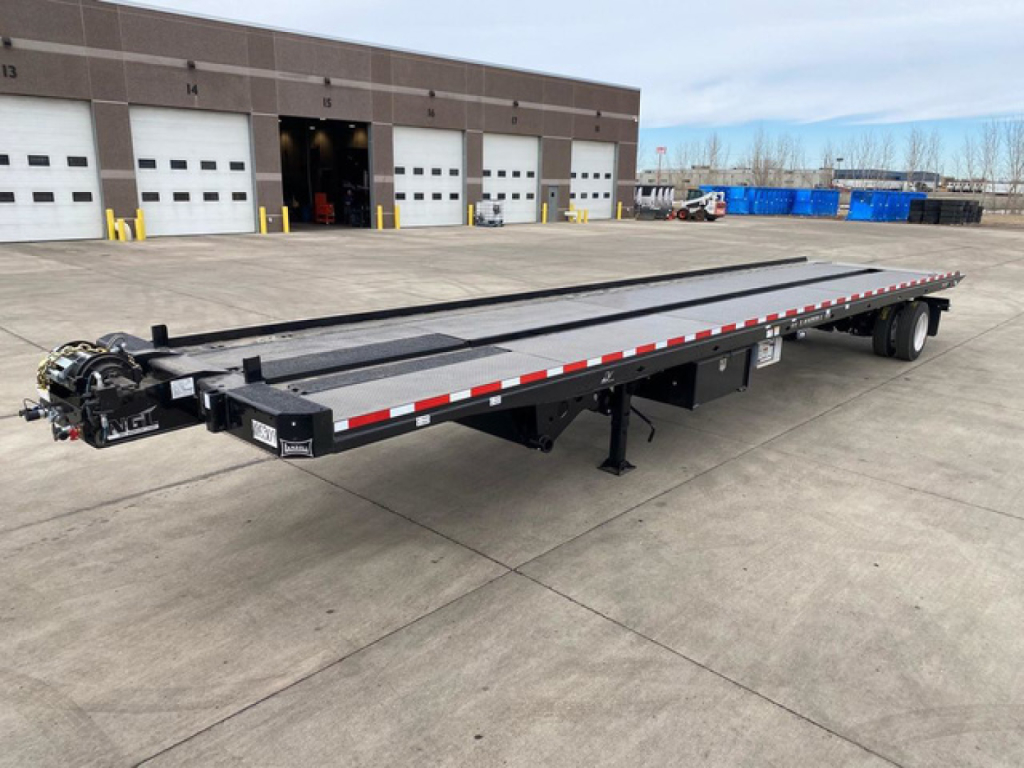
Have container trailer to sell? List it here to reach thousands of buyers.
About Container Trailers in Iowa
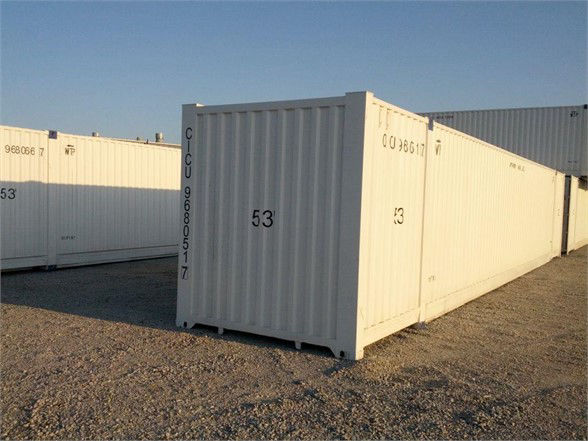
For highway container hauling, start with container length compatibility, axle spread, and loaded weight. A 20-foot container can put a lot of weight in a short footprint, so slider tandems and proper kingpin setting matter for bridge law and axle balance. Domestic 53-foot container setups are common for freight operations and usually call for a chassis or trailer with the right bolster positions, securement hardware, and legal support for the lanes you run. Steel construction is standard, and floor ratings, crossmember strength, tunnel design, and outrigger construction matter more when containers are loaded heavy or handled repeatedly by top corner castings.
For roll-off container trailers, focus on hoist or winch capacity, deck length, rail spacing, and the type of cans you already operate. A 20,000-lb winch with a wireless remote is a common setup on newer units, and air ride suspension is often preferred when container contents shift or when route quality is poor. Tire size, wheel type, and sliding axle arrangements affect both maintenance cost and legal positioning. On any used container trailer, inspect the locking points, main rails, crossmembers, air system, suspension bushings, lighting, and rear structure. Misalignment, rail wear, and cracked welds usually show up first on trailers that have spent time in rough yards or on uneven transfer sites.
The best container trailer is the one that matches the container standard you actually move every day. Some buyers need a basic domestic container platform for dry freight repositioning, while others need a heavier-spec trailer for scrap boxes, construction debris, or frequent loading cycles. Pay attention to container height and overall legal height, especially with high-cube containers, and verify compatibility with your tractor wheelbase, fifth wheel position, and route restrictions. A good spec on paper is not enough if the trailer does not match your container lengths, terminal handling method, and state weight requirements.
Frequently Asked Questions
What is the difference between a container trailer and a container chassis?
A container chassis is typically designed specifically for intermodal containers and uses twist locks and fixed or adjustable container positions to carry ISO or domestic boxes. A container trailer can refer to that same style, but it can also describe a roll-off trailer that loads and unloads open-top containers with a winch, cable, or hook setup. The key difference is how the container is secured and whether the trailer is meant to transport a sealed shipping container or load a removable waste or scrap can directly onto the frame.
What container lengths should I look for in a trailer?
That depends on the containers in your fleet or the lanes you plan to serve. Common intermodal and domestic lengths include 20-foot, 40-foot, 45-foot, and 53-foot containers. A trailer built for one size is not always ideal for another because container position affects axle weights, kingpin loading, and legal bridge compliance. Buyers should confirm the trailer's lock locations, slider range, and rated application before assuming it will handle multiple container sizes efficiently.
Is air ride suspension better on a container trailer?
Air ride is popular because it improves ride quality and can reduce shock loading to the trailer, container, and cargo. It is especially useful on rough roads, uneven yards, and roll-off applications where load stability matters. Mechanical suspension can still be a good fit for simpler operations and lower acquisition cost, but air ride is often preferred when freight protection, driver acceptance, and resale value are priorities.
What should I inspect on a used container trailer?
Start with the main frame, crossmembers, container locks or rail system, brake components, air lines, suspension, tires, and wheel ends. On intermodal units, inspect twist locks, bolster areas, and any sliding axle hardware for wear or seized components. On roll-off styles, inspect the winch, cable or hook system, sheaves, rear rollers, rail alignment, and weld integrity. Rust at stress points, cracked members, and uneven tire wear can indicate a trailer that has been overloaded or run out of alignment.
Can a container trailer haul high-cube or domestic 53-foot containers legally?
It can, but legality depends on the trailer design, tractor setup, container height, and the states or routes involved. High-cube containers add height, and domestic 53-foot containers can create axle and bridge-law challenges if the trailer is not configured correctly. Buyers should verify overall loaded height, kingpin-to-axle measurements, and intended state compliance before purchase. A trailer that physically fits the container is not always legal at scale on the road.