
Capacity Trucks For Sale
Capacity terminal tractors and yard spotters. Compare DOT on-road vs off-road specs, engines, axles, fifth wheel lift, and options for your yard.
Learn moreBrowse Capacity Trucks by Category
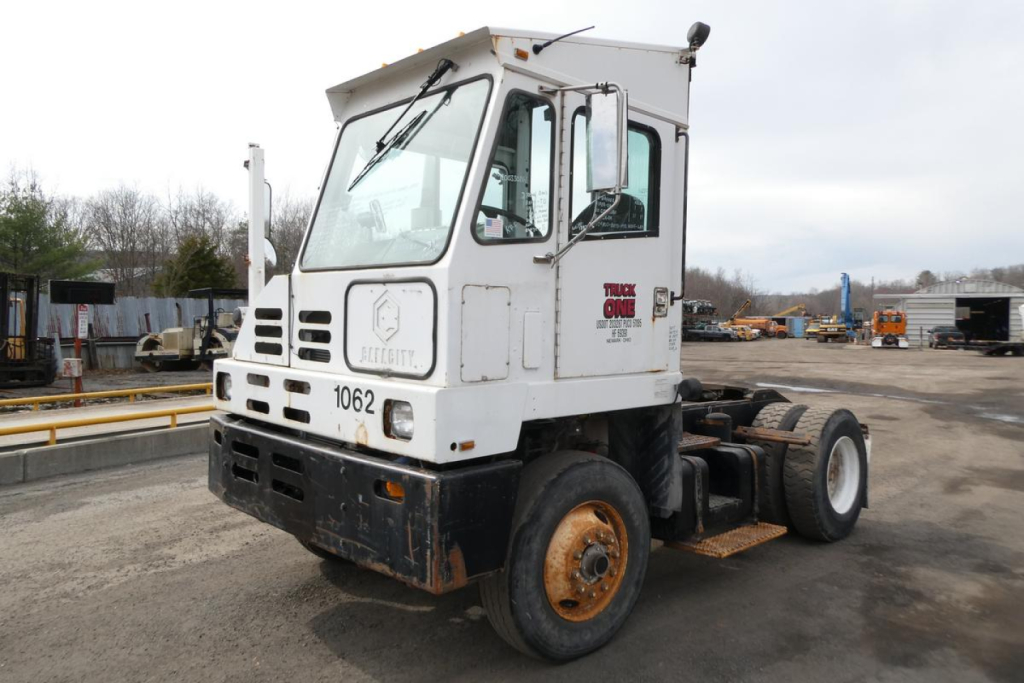
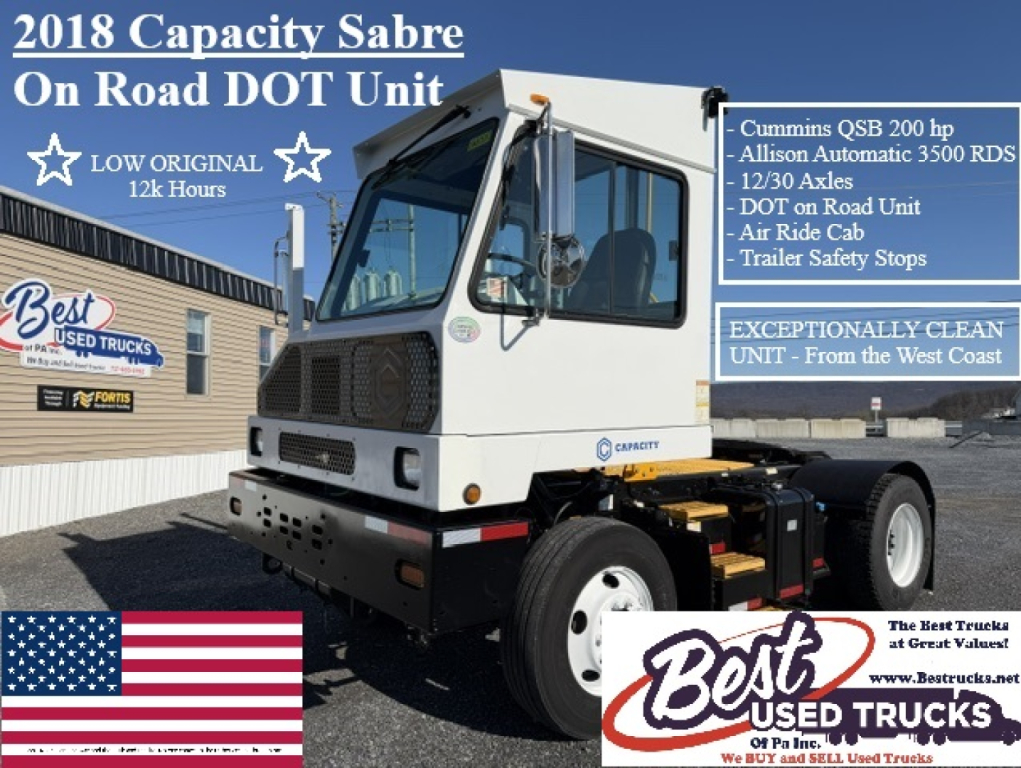
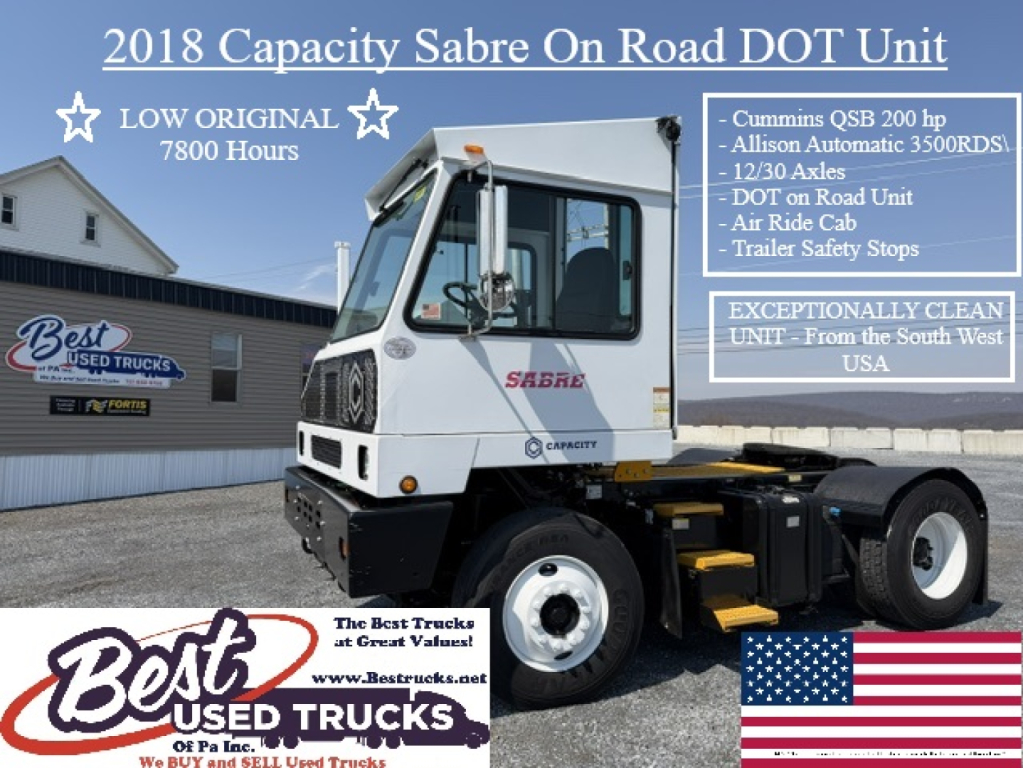
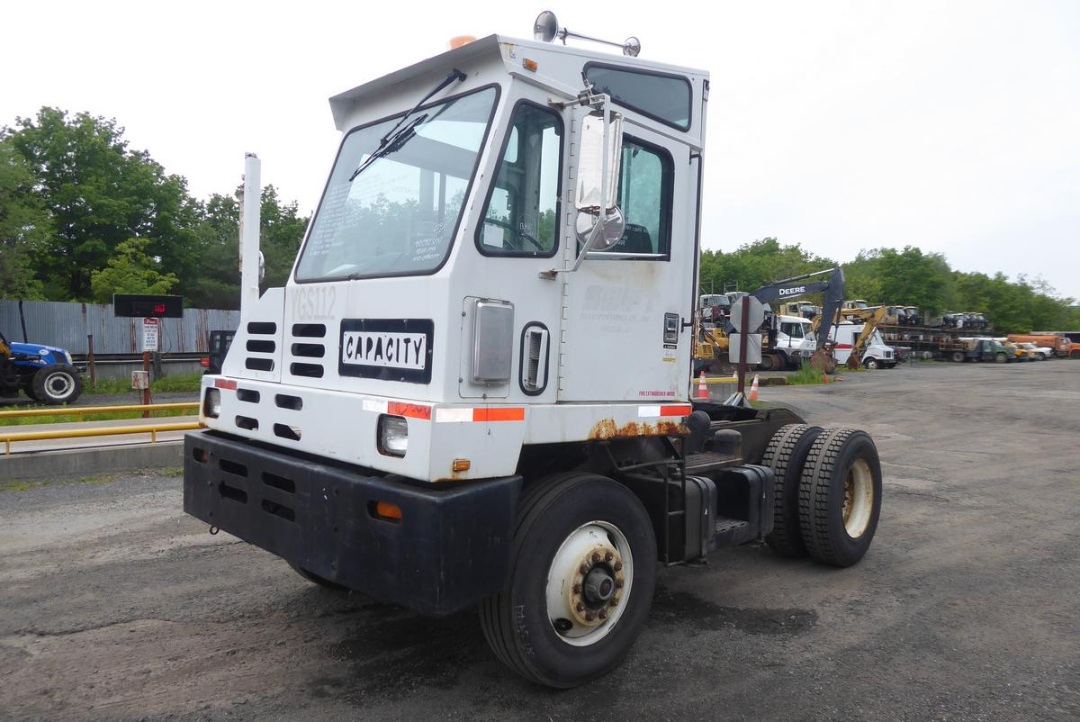
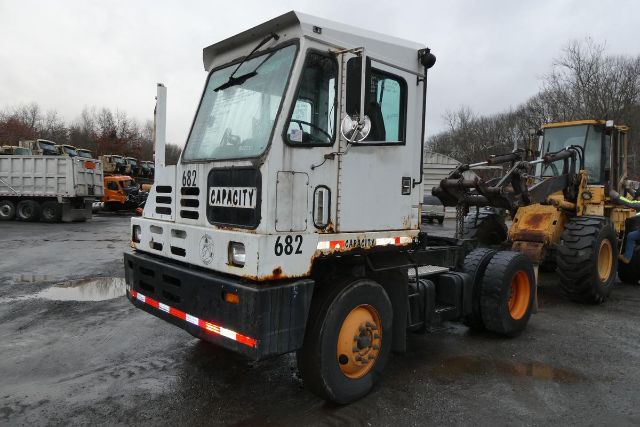
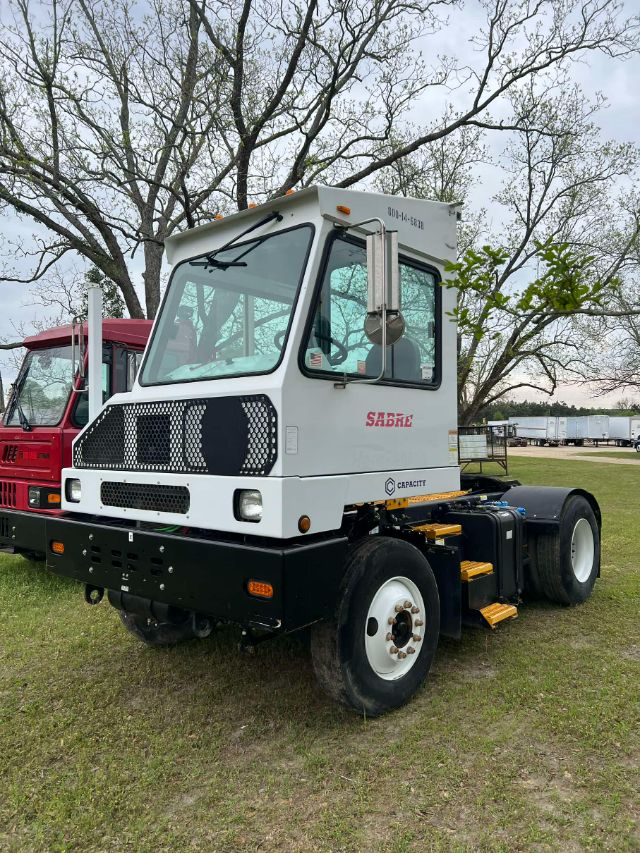
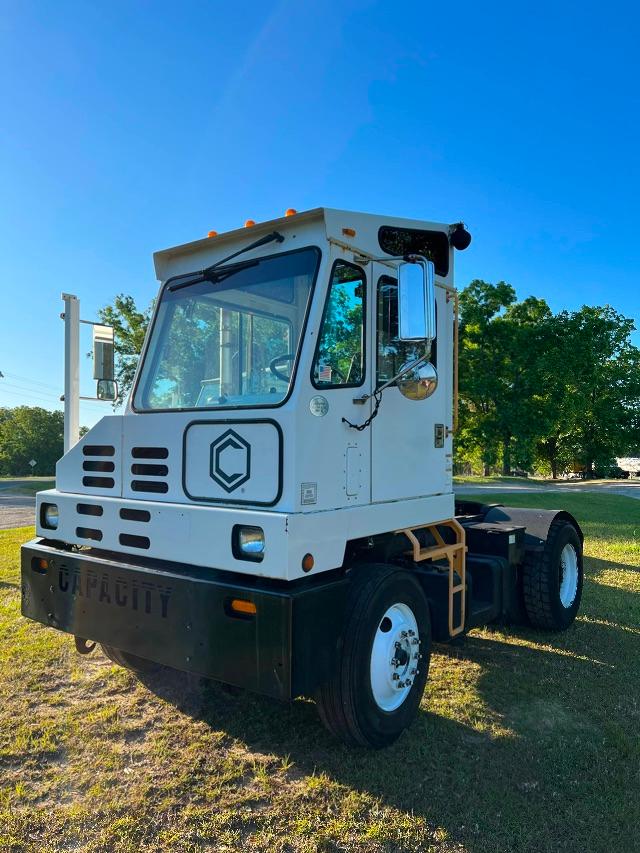
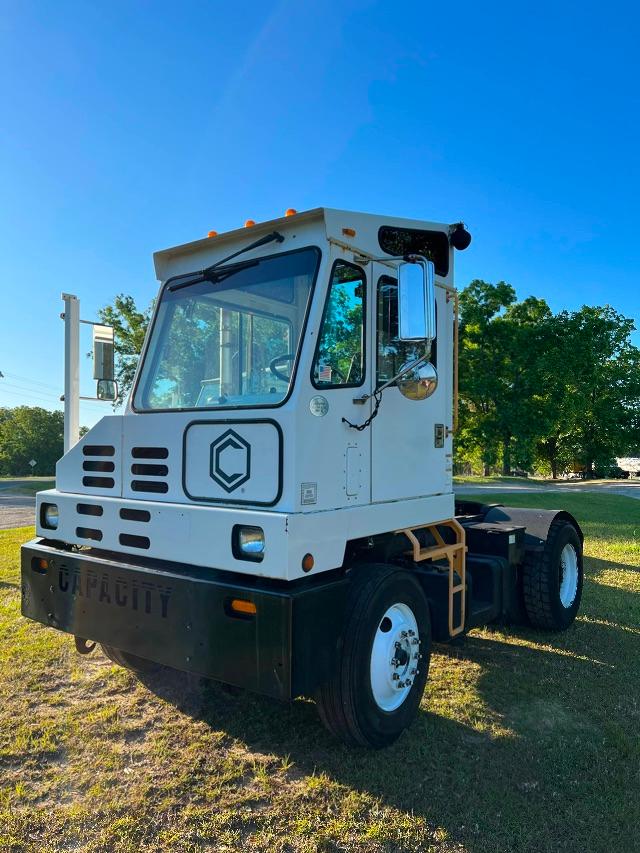
Have capacity truck to sell? List it here to reach thousands of buyers.
About Capacity Trucks
Spec decisions start with the duty cycle. A 4x2 with a single rear axle is the standard in distribution yards with firm surfaces and moderate grades. Ports, steel, and intermodal often step up to 6x4 for traction and heavier loads. Cummins diesel power paired with Allison automatic transmissions is the typical combination for smooth low-speed control. Look closely at fifth wheel lift systems, since hydraulic lift height, speed, and capacity directly affect turn times. A well-spec’d JOST or Holland plate with in-cab release, ample lift stroke, and reinforced tilt guides reduces landing gear cranking and miscouple risk. Short wheelbases tighten the turning radius, while air ride seats, high-visibility cabs, and rear cab doors improve operator ergonomics and safety during constant coupling. Braking can be drums or air disc, and automatic lube systems, heavy-duty cooling, and external cab-mounted filters are worthwhile options for high-hour fleets.
Environmental and regional factors matter. Coastal and port work benefits from galvanized or e-coated frames, stainless fasteners, sealed wiring, and undercoating to fight corrosion. Cold regions call for block heaters, high-capacity HVAC, and heated mirrors to keep operators productive. If the truck will periodically run on public roads between facilities, specify the DOT package from the start to avoid compliance headaches. Power choice is expanding beyond diesel. CNG options can reduce emissions where fueling is available. Battery-electric terminal tractors from Capacity are emerging for short, repeatable routes with onsite charging; they slash idle emissions and noise but require planning around charger power, plug standards, and shift length.
When evaluating units, hours and cycles tell the story better than miles. Inspect the fifth wheel plate for cracks and excessive wear, check the lift cylinder and hoses for leaks, verify kingpin lock operation, and look for frame rust at crossmembers and suspension hangers. Test the transmission engagement from neutral to drive and reverse for smoothness. Review aftertreatment history on late-model diesels, paying attention to regen frequency in stop-start duty. Safety and productivity add-ons like LED work lights, collision warning, 360 cameras, auto-inflation for tires, and telematics can materially cut incidents and downtime. Matching a Capacity TJ spec to your surface conditions, trailer weights, and on-road exposure will pay back quickly in faster turns and lower lifecycle cost.
Frequently Asked Questions
What is the difference between a DOT on-road Capacity terminal tractor and an off-road version?
DOT on-road trucks are equipped and certified for public streets with compliant lighting, mirrors, bumpers, emissions, and other highway requirements. They are ideal for campus-to-campus shuttles or port drays crossing public roads. Off-road units are intended for private property only. They often prioritize heavier frames, simplified spec, and fast serviceability without the added cost and complexity of highway equipment.
Should I choose a 4x2 or 6x4 Capacity yard truck?
A 4x2 is the common choice for distribution centers and warehouses with good traction and moderate trailer weights. It offers a tighter turning radius and lower operating cost. A 6x4 adds a driven tandem for traction on grades, soft surfaces, or heavy port and intermodal work. If your operation sees wet pavement, yard mud, rail ballast, or heavy Gross Combination Weights, the 6x4 provides more control and durability.
What should I look for when inspecting a used Capacity spotter truck?
Focus on hours, not miles, then inspect the fifth wheel assembly for cracks and excessive wear, verify the in-cab release and lock function, and check the hydraulic lift cylinder, hoses, and fittings for leaks. Examine frame rails and crossmembers for rust or repairs, review transmission performance in both directions, and evaluate brake condition. For late-model diesels, request aftertreatment service records and note any frequent regen or fault codes tied to stop-start duty cycles.
How does a hydraulic fifth wheel lift improve productivity?
The hydraulic lift raises and lowers the trailer so operators avoid extensive landing gear cranking. Faster lift speed and sufficient stroke reduce coupling time across varied dock heights, while a robust plate and guides help prevent miscouples. In-cab release systems further cut ground time and improve operator safety by minimizing trips outside the cab.
Is an electric Capacity terminal tractor a good fit for my yard?
Electric yard trucks excel in short, repeatable routes with planned breaks for charging. They reduce emissions and noise and can lower maintenance costs. Confirm that your utility power, charger footprint, and shift patterns support required uptime. Cold-weather range, grade demands, and trailer weights should be part of the evaluation. If your operation needs occasional public-road travel, check local regulations and ensure the electric model is configured with the necessary DOT equipment.