
Cab and Chassis Trucks For Sale in Massachusetts
Cab and chassis trucks for sale in Massachusetts. Compare wheelbase, GVWR, 4x4, PTO and upfit-ready frames for dump, utility, rollback and box bodies.
Learn moreBrowse Cab and Chassis Trucks by Make
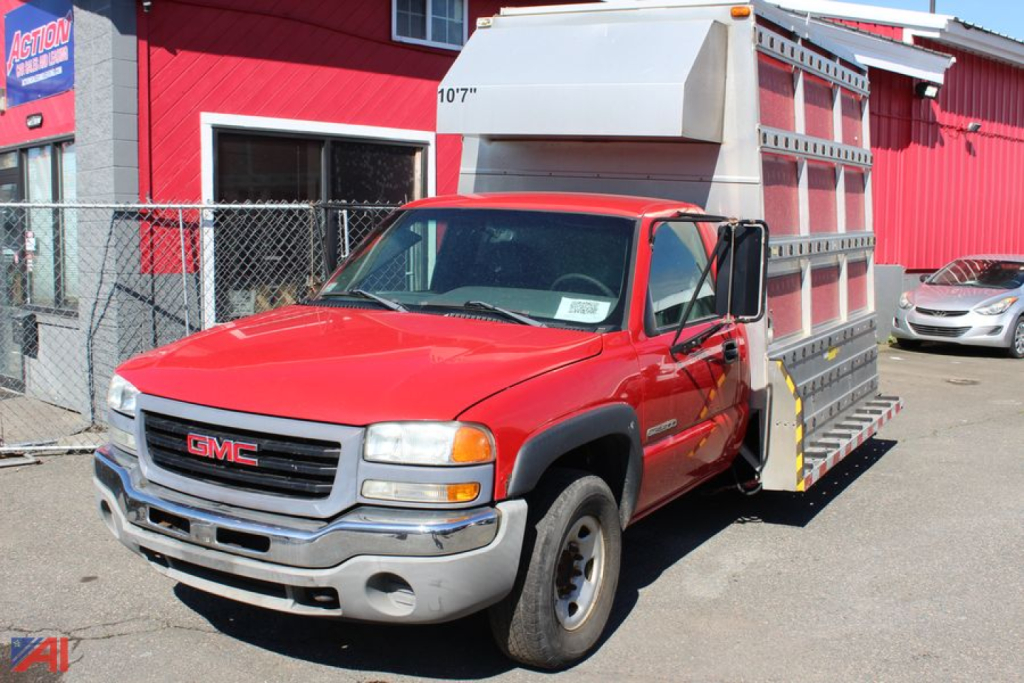

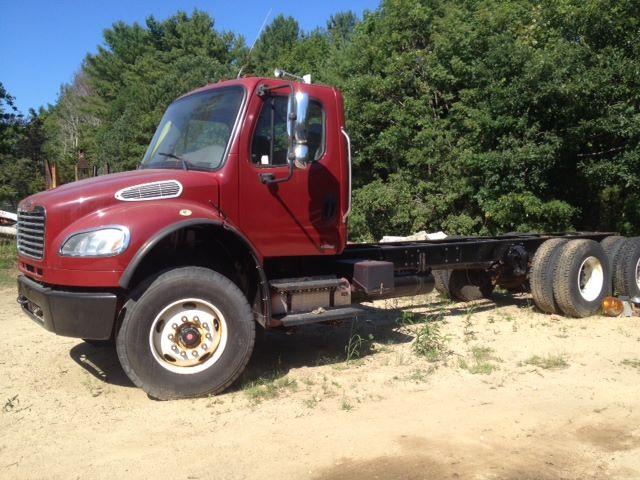
Have cab and chassis truck to sell? List it here to reach thousands of buyers.
About Cab and Chassis Trucks in Massachusetts
Powertrain selection affects uptime and total cost. The B6.7/Cummins ISB and similar midrange diesels dominate for durability and PTO torque, paired with Allison automatics for smooth launch in stop-and-go. Gas options like Ford’s 7.3L or GM 6.6L reduce upfront cost and emissions complexity for lighter-duty cycles. Automated manuals and modern 10-speed autos optimize fuel on regional routes. Match rear axle ratios to duty cycle: shorter gearing for urban payload work and plowing, taller ratios for highway box or flatbed use. Choose hydraulic brakes for non-CDL builds and lower maintenance, or air brakes for better modulation, trailer capability and high-GVWR durability. Suspension is another trade-off: spring for simplicity, air ride for fragile cargo and driver comfort. Keep an eye on front axle and RBM frame ratings if you plan to hang heavy plows or cranes.
Upfit compatibility is all about details. A clean top-of-rail frame simplifies mounting bodies; verify crossmember spacing and any no-drill zones. Confirm CA and wheelbase against the intended body length, using the common guideline that van or flatbed length typically equals CA plus 3 to 4 feet, while 84-inch CA often pairs with 11 to 12 foot dumps. Check for transmission PTO provisions, front engine PTO availability on vocational chassis, and body-builder wiring with dash switches. Plan fuel and DEF tank placement, battery boxes, aftertreatment and exhaust routing so they won’t interfere with outriggers, hoists or tool compartments. Tire inflation systems, scuff liners and high-capacity cooling help in stop-start delivery or plow work. For tow or rollback builds, spec wheelbase, frame inserts and wheel-lift hydraulics with GCWR in mind.
Regional realities in Massachusetts favor corrosion protection and cold-weather packages. Look for factory e-coat or epoxy primer, stainless hardware, sealed connectors, heated mirrors and block heaters. Underbody wash access and wax- or oil-based frame treatments pay off on salted roads from Boston to the Berkshires. Shorter wheelbases and set-back axles improve curb-to-curb turns on narrow city streets and under low-clearance bridges, while 4x4, limited-slip or full locking rears and proper winter tires maintain traction on plow routes and steep coastal grades. Battery-electric cab and chassis entries are emerging for urban delivery with 100 to 200 mile daily range; they offer quiet operation and strong regen in stop-and-go, though cold weather range planning and depot charging need attention. Whatever the application, aligning GVWR, wheelbase, brake system, PTO needs and upfit clearances up front prevents rework and keeps the truck earning through New England winters.
Frequently Asked Questions
How do I pick the right cab-to-axle and wheelbase for my body?
Start with the body builder’s chart for your target body. A common rule of thumb is body length equals CA plus 3 to 4 feet for van or flatbed bodies. Dump bodies typically need less overhang, so an 84 inch CA often fits 11 to 12 foot dumps on Class 5 to 6 trucks, while 120 inch CA supports many 14 to 16 foot contractor dumps on Class 6 to 7 chassis. Verify axle-to-axle spacing, rear overhang limits, and front axle load when adding plows or cranes. Proper CA and wheelbase keep weight on the axles within limits and improve handling and tire life.
Do I need a CDL in Massachusetts for a cab and chassis truck?
CDL requirements follow federal thresholds. You need a CDL if the GVWR or GCWR is 26,001 lb or higher, or if you tow a trailer over 10,000 lb that pushes GCWR over 26,000 lb. Air brakes themselves do not trigger CDL, but operating a vehicle with air brakes requires the air brake endorsement on the appropriate CDL class. Many buyers target 26,000 lb GVWR with hydraulic brakes to keep the build non-CDL. Regardless of weight class, Massachusetts requires commercial state inspection and compliance with applicable emissions and safety rules.
Is 4x4 worth it for New England winters?
For plowing, jobsite access and steep or unpaved roads, 4x4 adds real traction and control. It also adds weight, height, cost and complexity, trimming payload and slightly increasing turning radius. A 4x2 with a locking differential, proper winter tires and ballast can work well for paved-route deliveries. If you plan front plows, off-road utility work or hill routes in western Massachusetts, 4x4 or a driven front axle on vocational chassis is a strong investment.
What PTO and transmission options should I look for on a cab and chassis?
Allison automatics commonly offer side or rear PTO provisions that support dump pumps, winches and cranes. Some vocational chassis allow a front engine PTO for continuous duty or higher torque needs. Ford TorqShift and select automated manuals provide live-drive or stationary PTO options. Decide if you need PTO in motion, continuous duty rating, and the correct rotation and output. Also verify that DEF lines, exhaust routing and crossmembers leave room for pump placement and shafting.
How can I protect a chassis from Massachusetts road salt and corrosion?
Prioritize factory e-coat or epoxy-primed frames, stainless fasteners, sealed harnesses, and aluminum or galvanized components where appropriate. Specify undercoating or apply wax- or oil-based protectants and schedule regular underbody washes, especially after storms. Use dielectric grease on connectors, choose powder-coated or stainless body hardware, and inspect frame rails, brake lines and aftertreatment brackets during service intervals. Corrosion prevention is far cheaper than structural repairs later.