
Bus Trucks For Sale in Texas
Browse bus trucks for sale in Texas, including school and wheelchair buses. Compare body styles, seating, accessibility, and chassis specs.
Learn moreNo exact matches found for your search
Showing Bus Trucks instead.
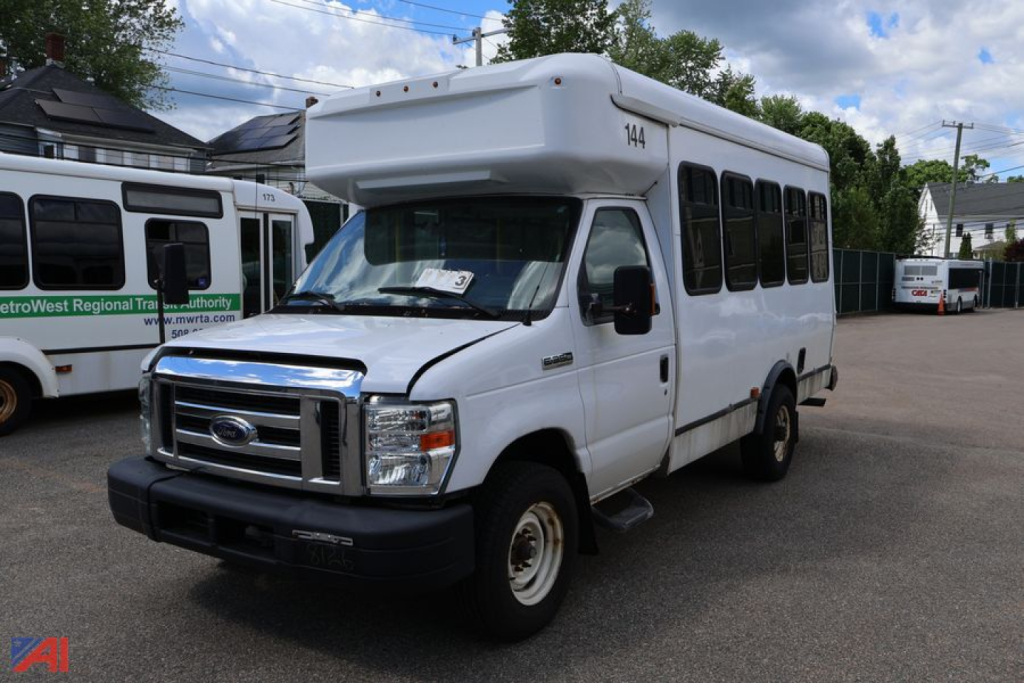
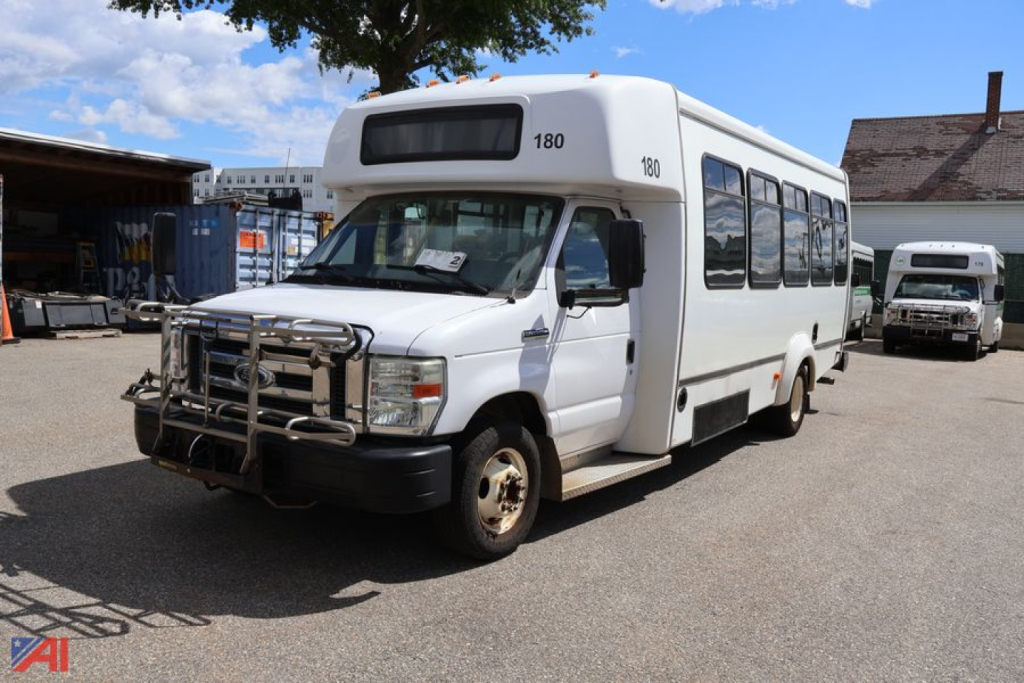
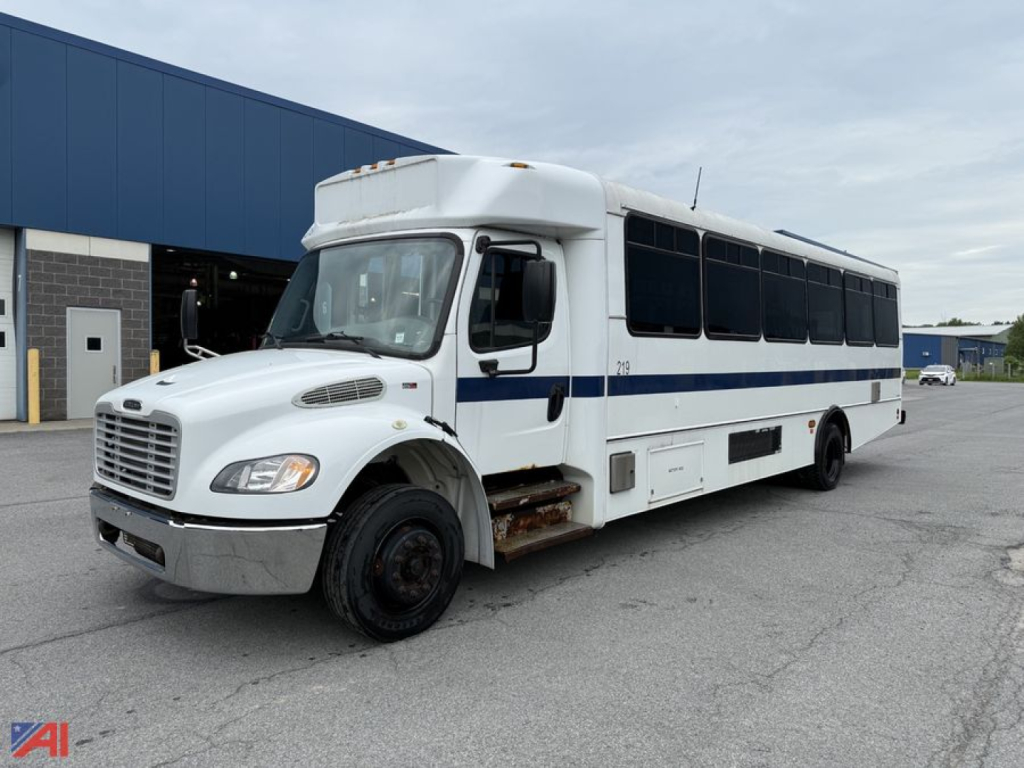
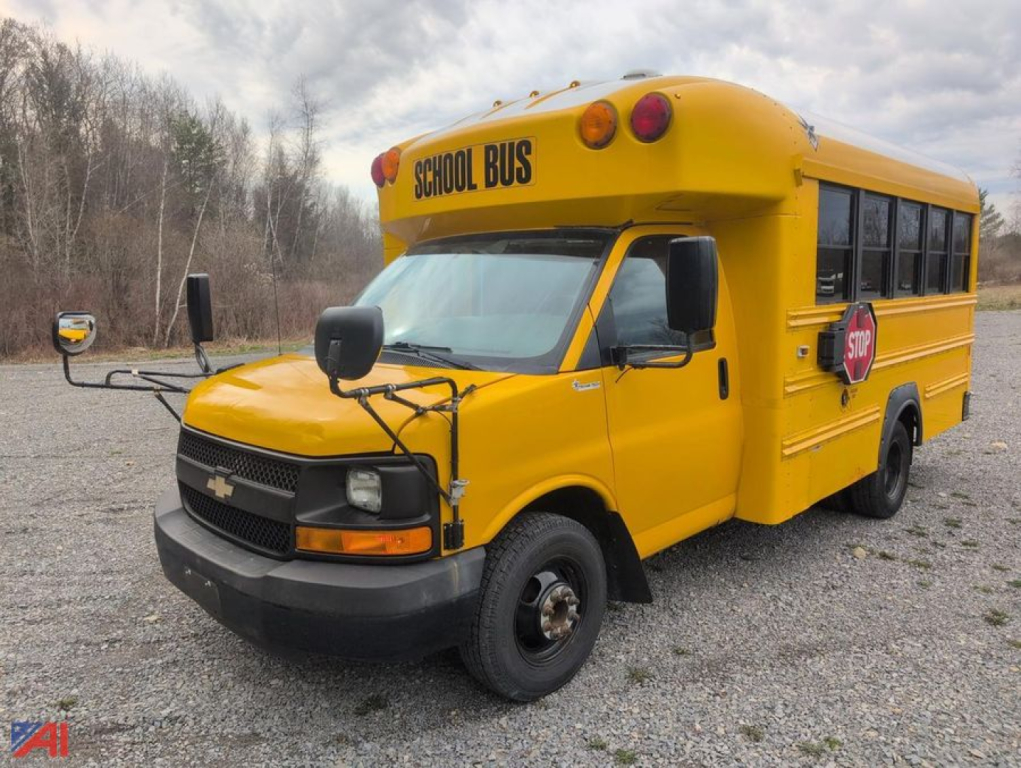
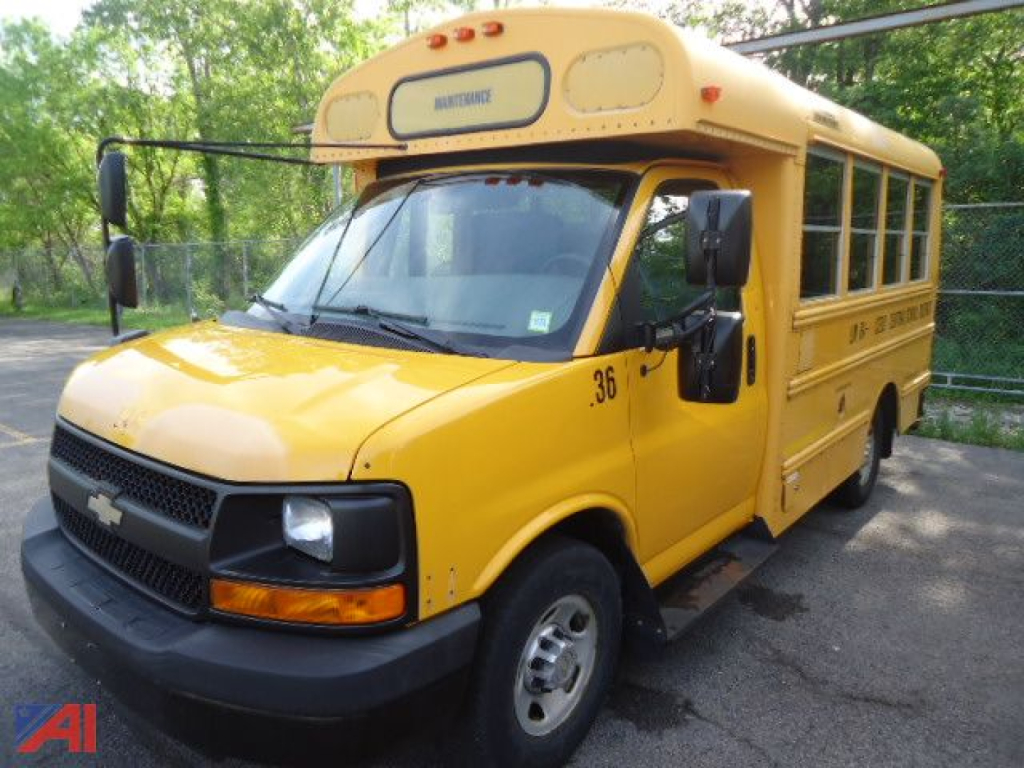
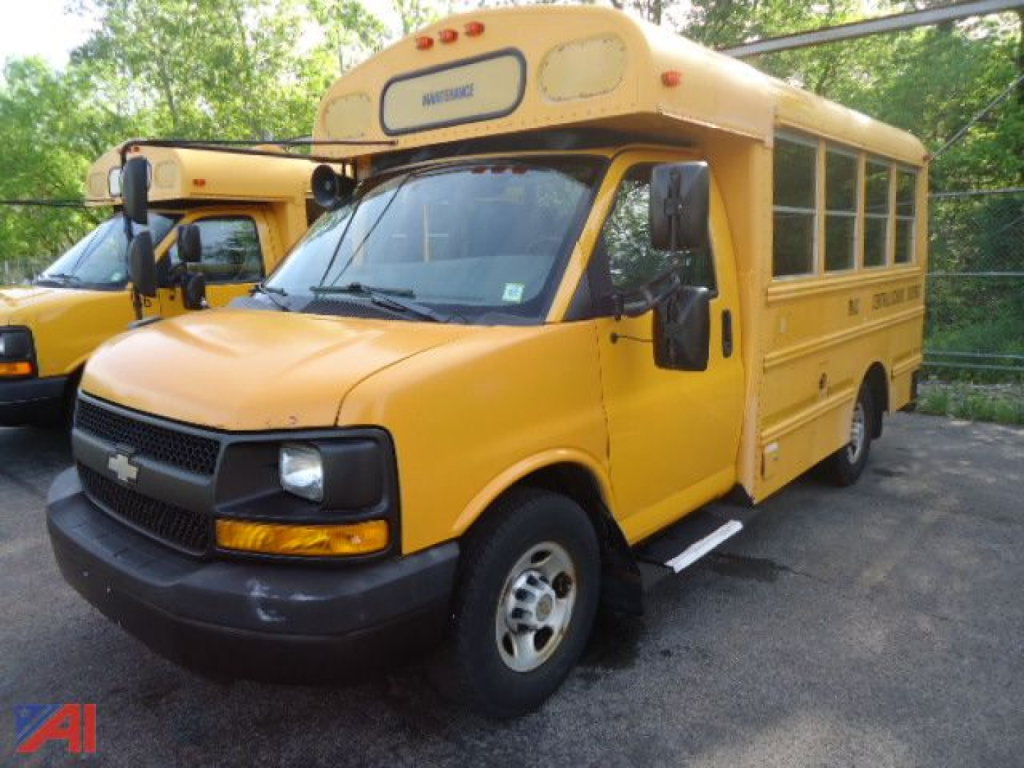
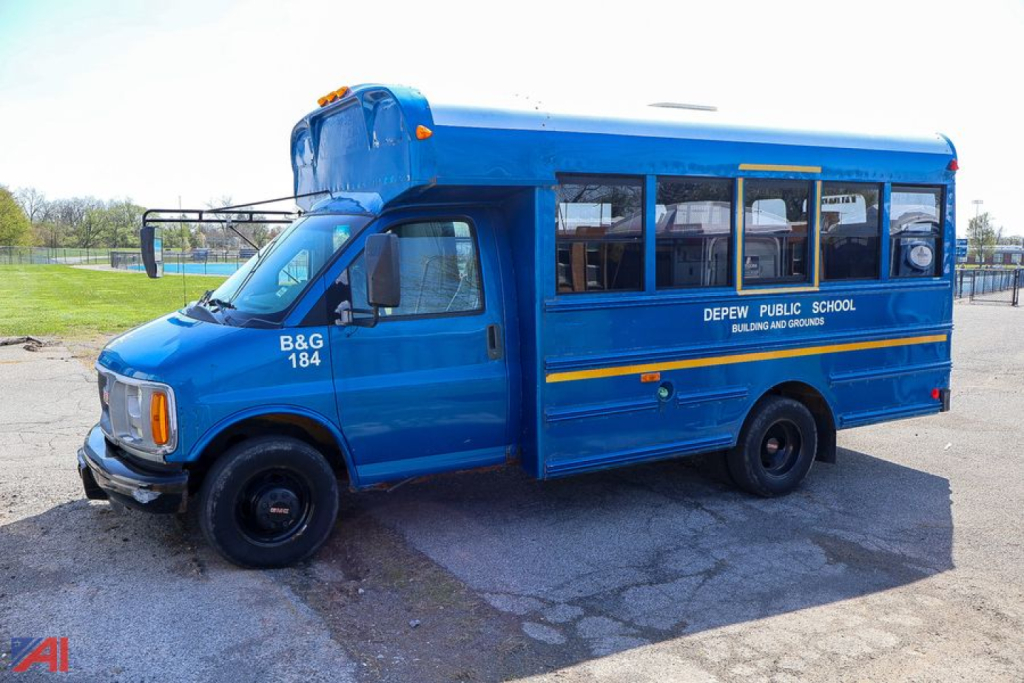
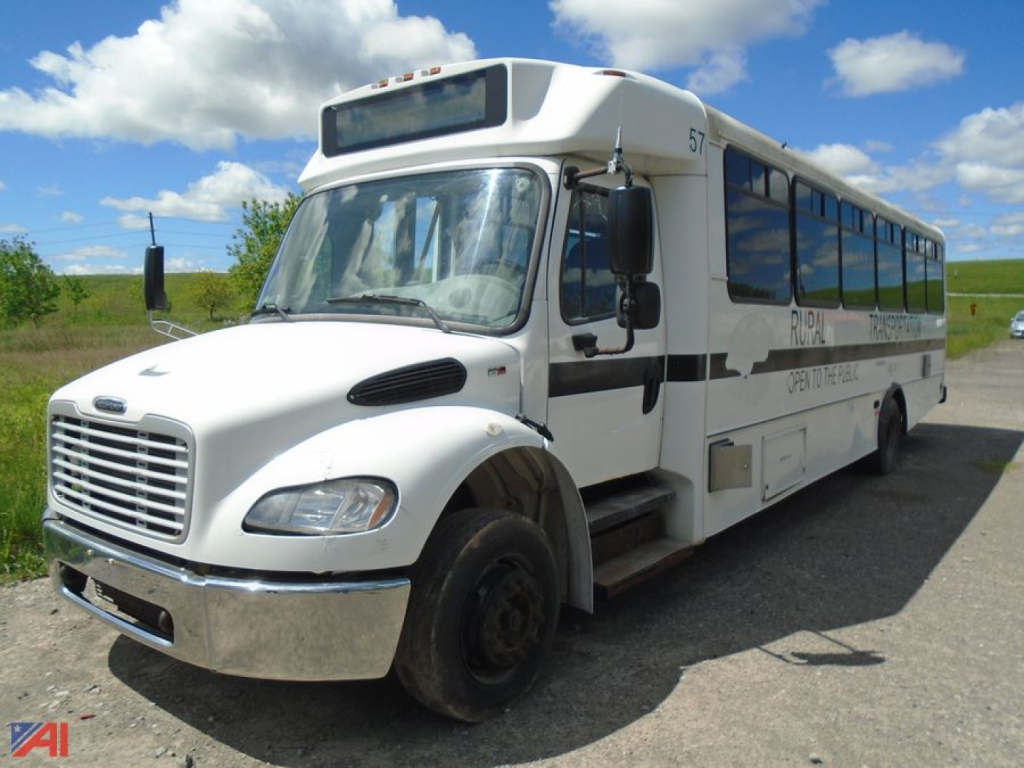
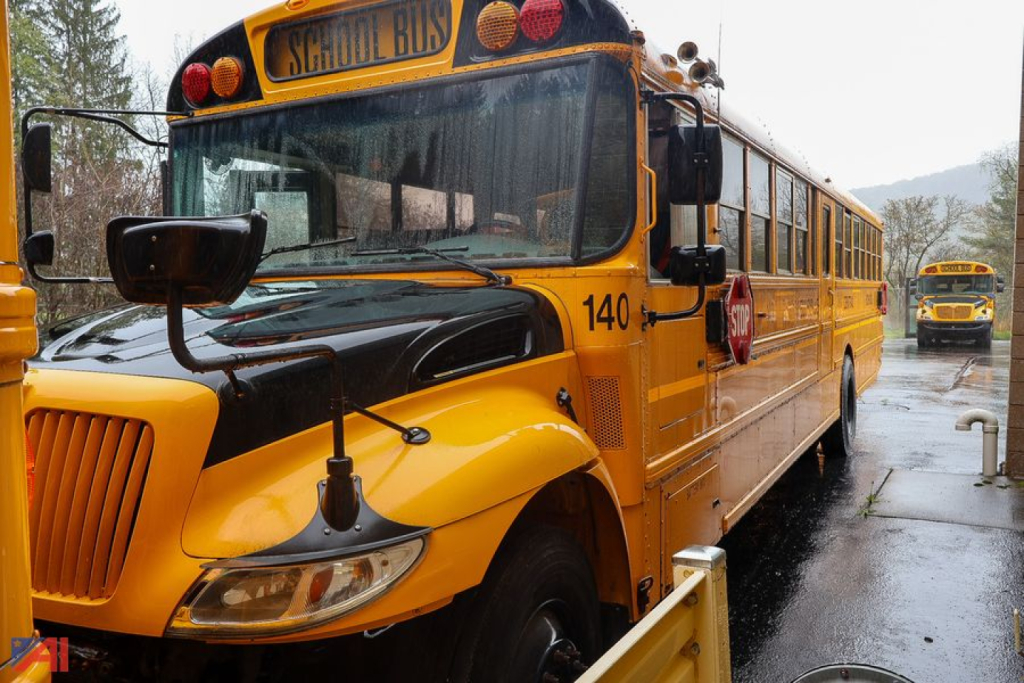
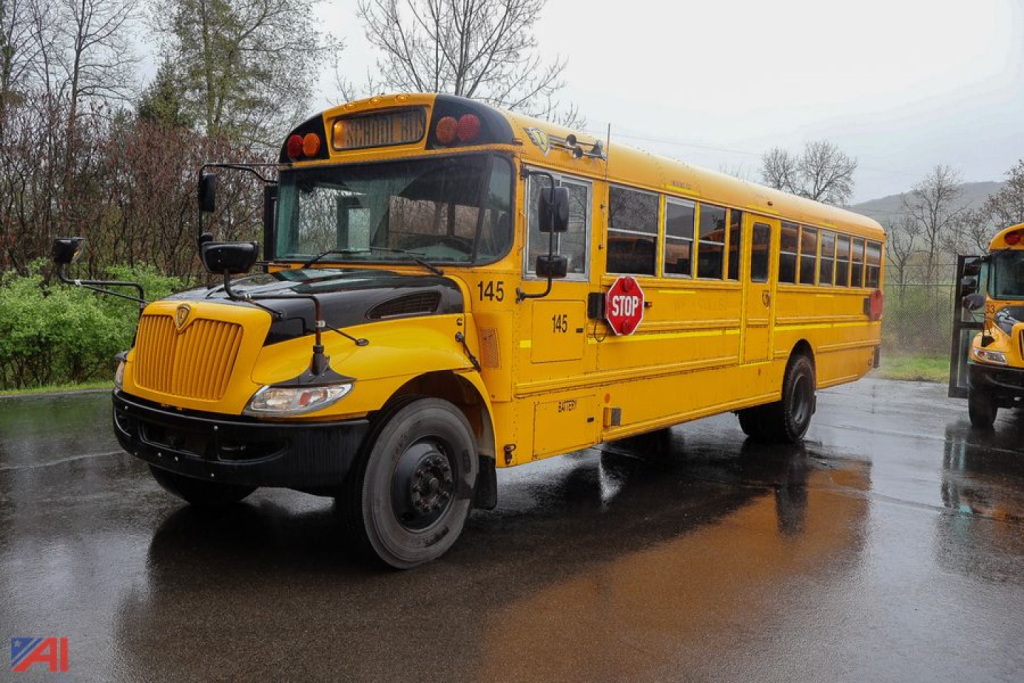
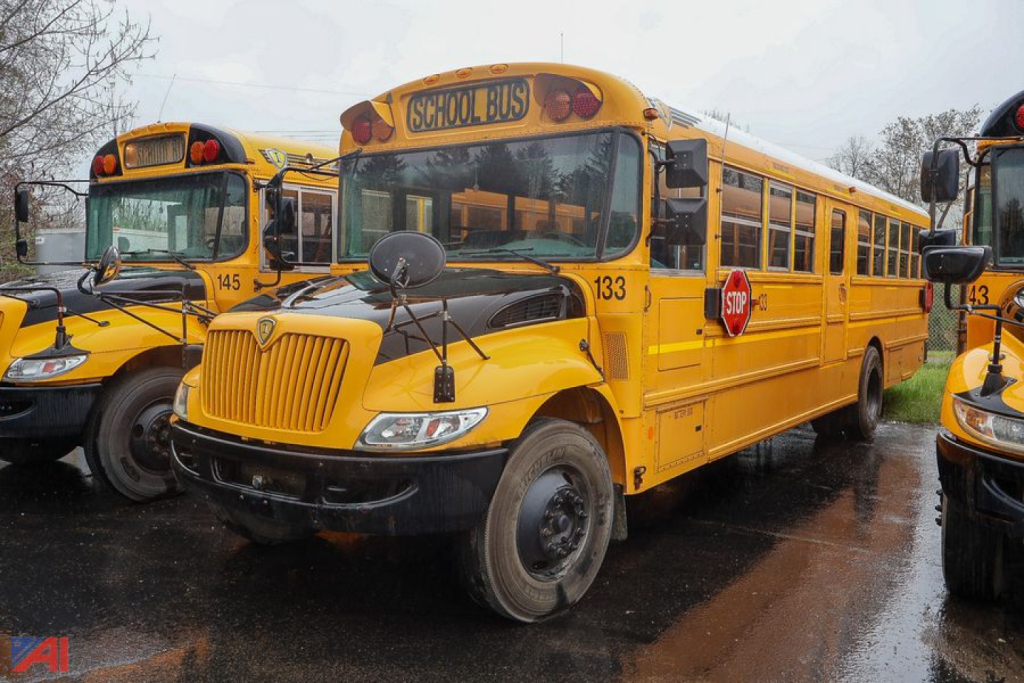
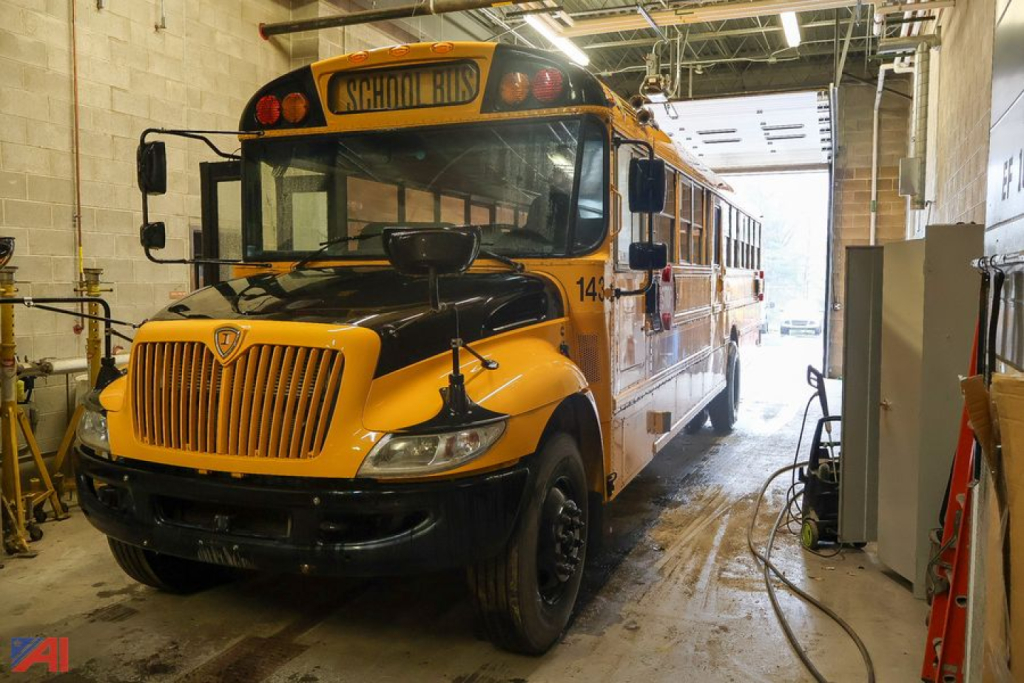
Showing 1 to 12 of 23 results
Have bus truck to sell? List it here to reach thousands of buyers.
About Bus Trucks in Texas
For school bus buyers, the big decision points are passenger layout, chassis brand, engine, and service history. Common builders include Thomas Built, Blue Bird, and IC, often mounted on Freightliner, International, or proprietary school bus chassis. Wheelchair buses add another layer of inspection. Lift operation, interlock systems, tie-down tracks, restraint points, and door seals should all be checked closely. A bus may look clean cosmetically and still need lift repairs, electrical work, or seat-track attention. In Texas heat, air conditioning performance is also a major factor, especially for shuttle use, special needs transport, church service, or private fleet work.
Mechanical spec matters because buses spend much of their life in stop-and-go duty. That means buyers should pay close attention to transmission condition, cooling system health, brake wear, front suspension play, and idle hours if available. Diesel school buses from the mid-2000s often carry engines from Caterpillar, Cummins, Mercedes-Benz, or Navistar/International, and emissions equipment can vary significantly by year. If the intended use is private transport, mobile conversion, employee shuttle, or non-school passenger service, confirm title status, registration requirements, and any state or local restrictions before purchase. Some retired school buses also need lettering removal, warning light deactivation, or stop-arm changes to comply with non-school use.
Texas buyers often look for corrosion, roof condition, window seals, and underbody integrity differently than buyers in northern states. Rust may be less severe, but sun exposure, interior wear, and HVAC strain can be greater. Tire age, not just tread depth, is worth checking on low-mile buses. A strong bus listing should give enough detail on seating, GVWR, engine, transmission, lift or accessibility equipment, and current operating condition to help narrow the field quickly. The best choice is the bus that fits the route, passenger count, service environment, and compliance requirements without creating avoidable refurbishment costs.
Frequently Asked Questions
What should I check first when buying a used bus truck?
Start with the bus body configuration and intended use, then move immediately to mechanical condition and compliance items. Seating capacity, wheelchair accessibility, lift function, emergency exits, and HVAC should match the job. After that, review engine and transmission history, brake condition, tire age, suspension wear, and any signs of electrical issues. For former school buses, confirm what equipment must be removed or disabled before the bus can be used for private transport or commercial shuttle work.
Are wheelchair school buses more expensive to maintain than standard school buses?
They often are, because accessibility equipment adds components that need regular inspection and occasional repair. A wheelchair bus may have a hydraulic or electric lift, interlock systems, tie-down hardware, specialized door components, and additional electrical circuits. If those systems are in good working order, the bus can be highly versatile. If they have been neglected, repair costs can add up quickly, so buyers should test lift cycles, safety locks, warning systems, and floor mounting points before purchase.
What is the difference between a conventional bus and a transit-style bus?
A conventional bus has a front hood and truck-style chassis layout, which many fleets prefer for easier engine access and familiar service procedures. A transit-style bus places the driver forward and usually provides more usable interior room for a similar overall length. Transit buses can improve passenger flow and visibility in some applications, while conventional buses are often simpler for general maintenance and parts sourcing. The right choice depends on route type, loading pattern, and service support.
Can a retired school bus be used for non-school service in Texas?
Yes, but it usually requires changes before it can legally operate in non-school service. Buyers should verify state and local rules for registration, inspections, passenger licensing, and commercial use. Former school buses may need school markings removed, stop signs and flashing warning lights disabled or removed, and other equipment brought into compliance with its new operating role. The exact requirements depend on how the bus will be used and who will be transporting passengers.
What engine and transmission issues are common on older used buses?
Older buses commonly show wear related to stop-and-go duty cycles, long idle time, and cooling system stress. Buyers should look for transmission shift quality, overheating history, oil or coolant leaks, injector or turbo issues, and signs of deferred maintenance. On emissions-era buses, check for aftertreatment problems and fault codes, especially if the unit spent years in short-route service. A pre-purchase inspection with a scan for active and stored codes is one of the best ways to avoid expensive surprises.