
Wabash Van Trailers For Sale in Indiana
Browse Wabash van trailers for sale in Indiana, including dry van models built for freight protection, cube efficiency, and fleet versatility.
Learn more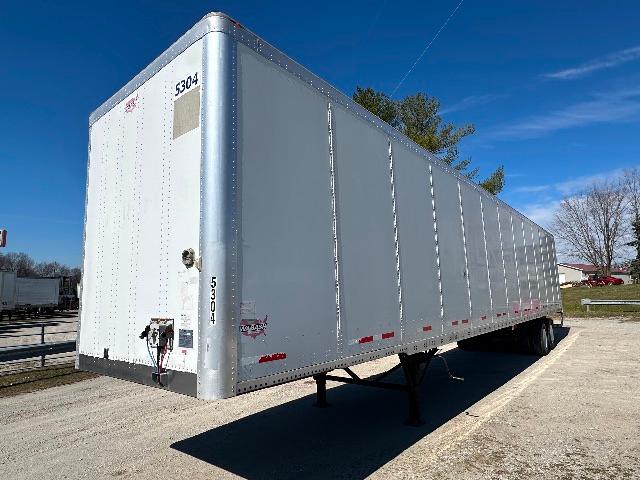
Have wabash van trailer to sell? List it here to reach thousands of buyers.
About Wabash Van Trailers in Indiana
The first buying decisions usually come down to trailer length, roof height, door configuration, and the condition of the floor and rear frame. Most Wabash van trailers on the market are 53-foot dry vans, though 48-foot units still appear in regional and dedicated applications. Swing doors remain common for general freight, while roll-up doors may make sense for multi-stop delivery where dock access is tight. Inside, buyers should pay close attention to floor rating, scuff liners, logistics posts, and roof bow condition, especially if the trailer has seen heavy forklift traffic. ICC bumper condition, threshold wear, and signs of rear sill corrosion are also worth checking closely on any used van trailer.
Suspension and running gear have a direct effect on maintenance cost and loading performance. Air ride is popular on Wabash vans hauling retail, packaged goods, or other freight that benefits from a smoother ride, while spring ride can still be attractive for simpler, lower-cost operation. Tandem slider position, axle spread, wheel end type, tire condition, and brake setup should all be matched to the routes and bridge laws the trailer will see. Fleet buyers may also look for trailer skirting, tire inflation systems, LED lighting, and aerodynamic packages to improve fuel economy and reduce roadside downtime.
A Wabash van trailer fits a wide range of freight, including palletized consumer goods, food products that do not require temperature control, paper, packaging, and industrial shipments that need to stay clean and dry. Buyers in Indiana often value dry vans that can move efficiently through Midwest distribution networks, where dock frequency, winter road conditions, and turnaround time all affect total cost per mile. The best unit is usually the one with a sound structure, a clean and serviceable interior, and specifications that match the freight mix rather than simply the lowest upfront price.
Frequently Asked Questions
What is the main advantage of a Wabash dry van trailer?
A major advantage of a Wabash dry van trailer is its combination of lightweight design and durable trailer construction. Many Wabash vans are known for DuraPlate sidewalls, which are widely recognized in the industry for strength, cargo protection, and familiarity in repair environments. That makes them a practical choice for fleets that want dependable dry freight capacity with strong resale appeal and broad service support.
What should I inspect first on a used Wabash van trailer?
Start with the structural and wear items that affect safety, cargo integrity, and repair cost. Inspect the floor for forklift damage, delamination, soft spots, and patchwork. Check the sidewalls, roof, front wall, rear frame, and door seals for impact damage, leaks, and corrosion. Then review suspension components, brakes, tires, wheel ends, lighting, and the tandem slider system. A clean trailer can still hide expensive floor or rear frame issues, so structural condition matters more than appearance alone.
Are Wabash van trailers good for Midwest regional freight?
Yes. Wabash van trailers are commonly used in Midwest regional freight because they are well suited for palletized dry goods, distribution center traffic, and repeated dock loading. In Indiana and surrounding states, buyers often prioritize trailers that handle high utilization, mixed weather, and frequent drop-and-hook scheduling. A properly spec'd Wabash dry van with the right suspension, door setup, and floor rating can perform well in that environment.
What specs matter most when comparing Wabash van trailers?
The most important specs usually include trailer length, interior height, empty weight, floor rating, suspension type, door style, axle setup, and overall body condition. Buyers should also look at logistics track or posts, scuff liners, roof condition, brake type, wheel end configuration, and aerodynamic equipment. These details affect payload, loading speed, maintenance cost, and how well the trailer matches the freight being hauled.