
Wabash Flatbed Trailers For Sale
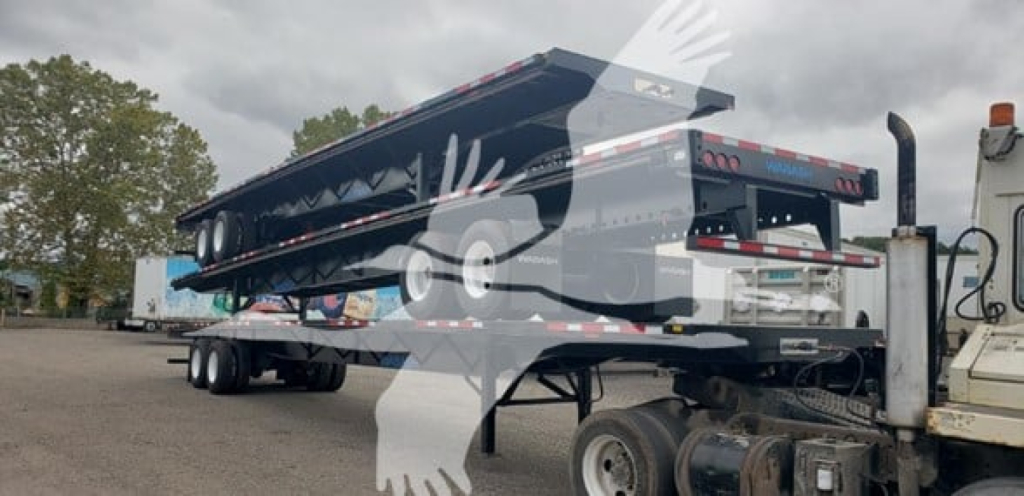
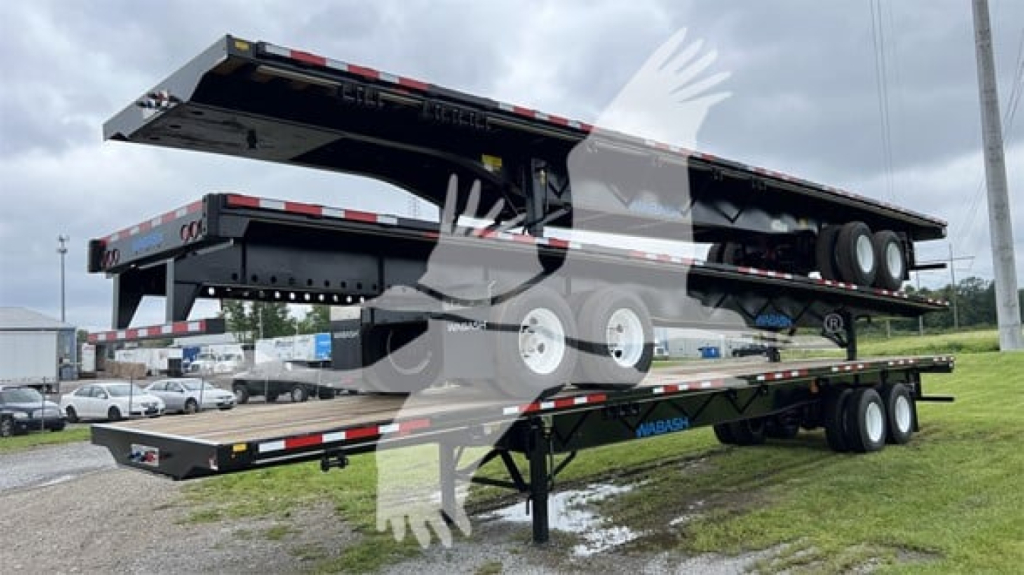
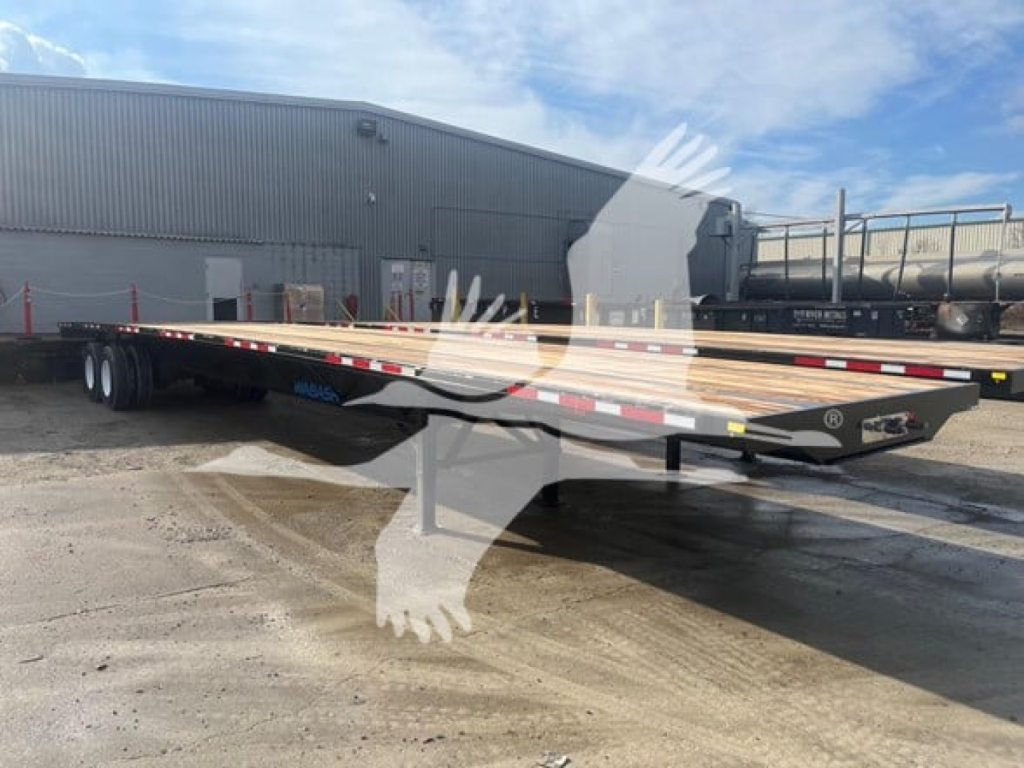
Shop Wabash flatbed trailers with specs buyers want, including 48' and 53' lengths, air ride, sliding tandems, combo and steel builds.
Learn more
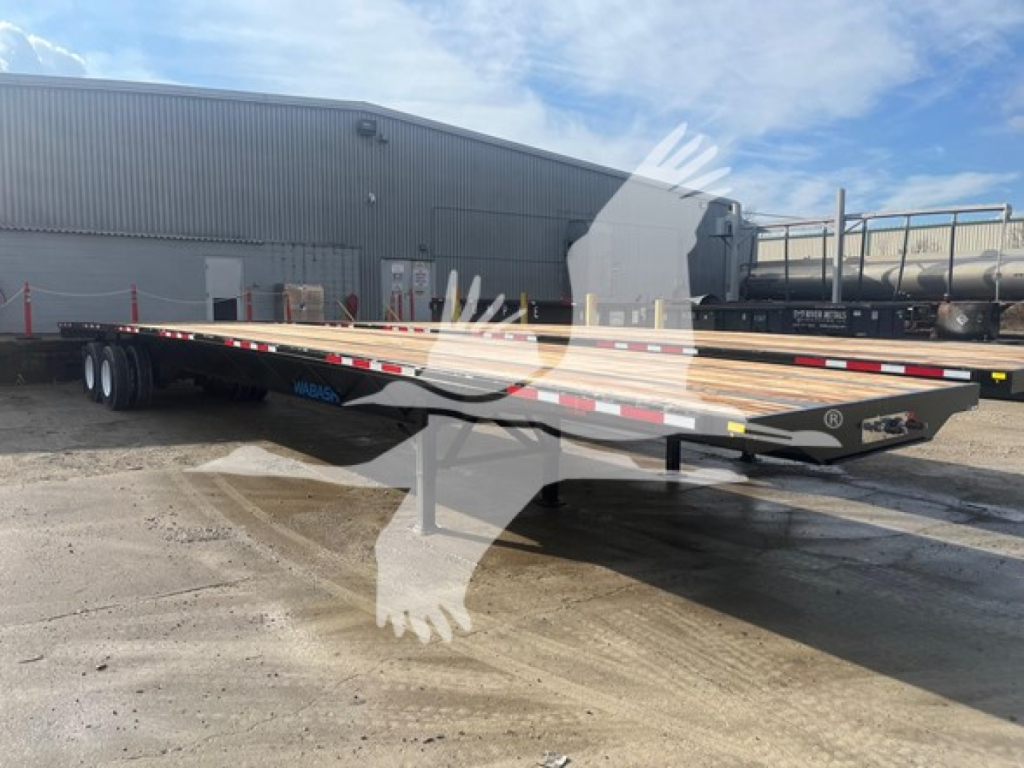
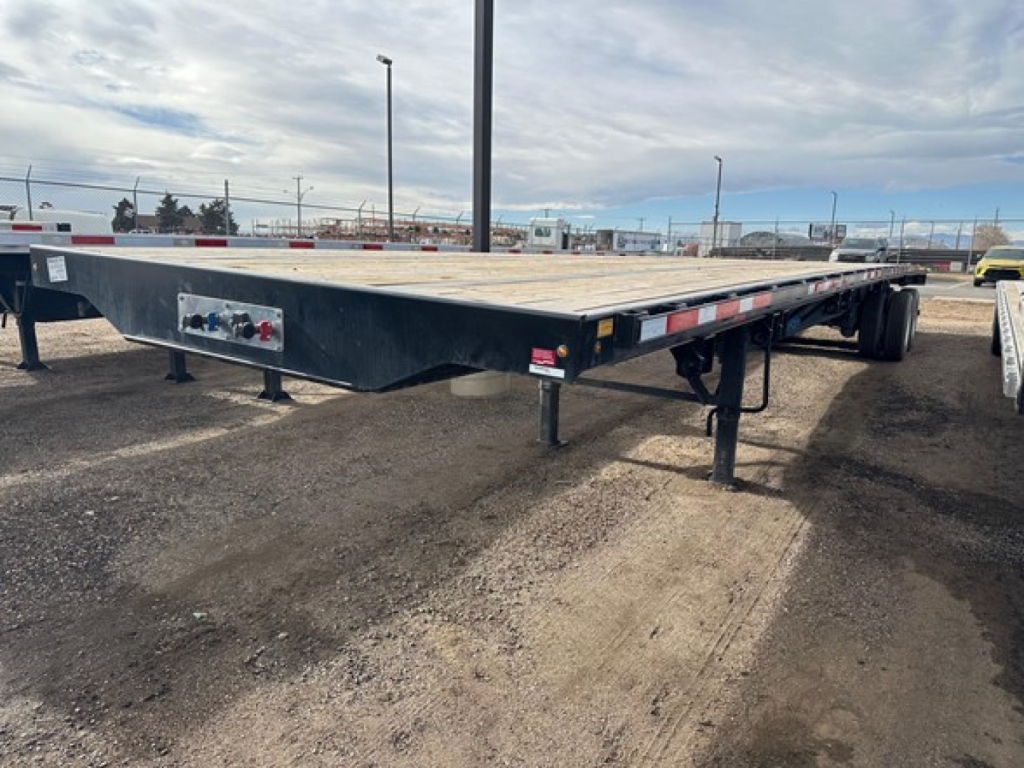
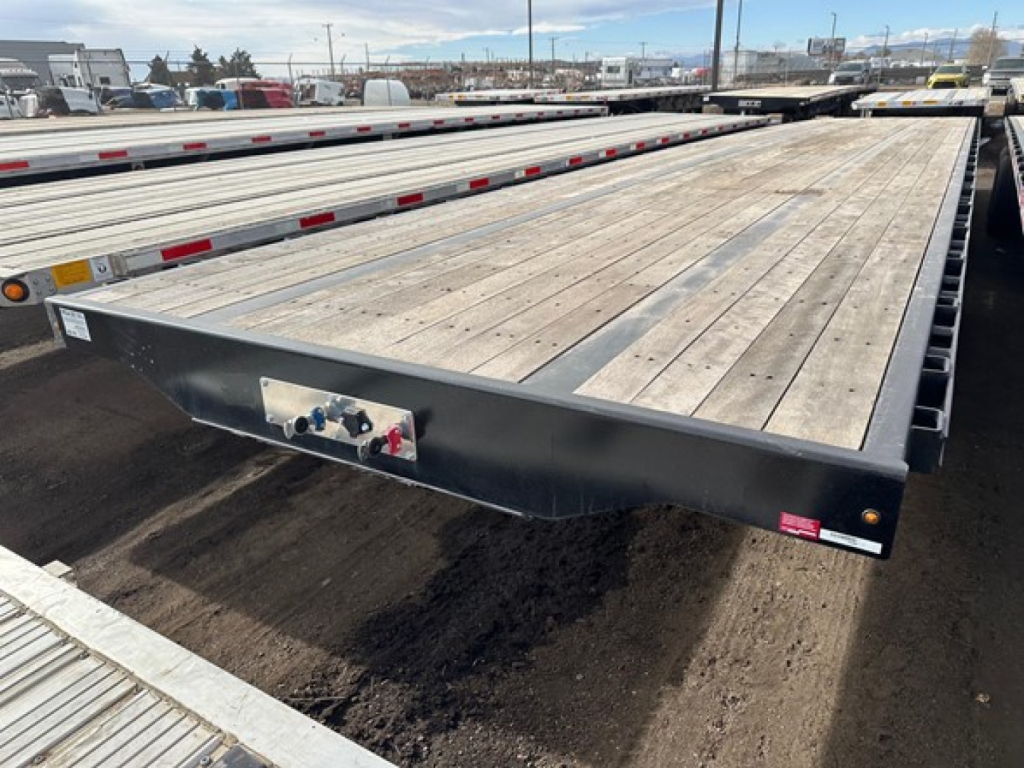
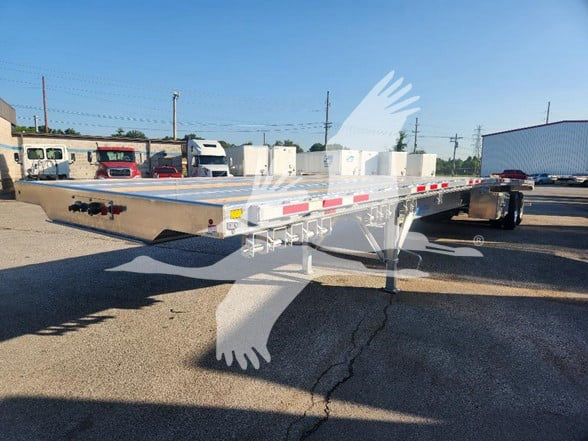
Showing 1 to 12 of 19 results
Have wabash flatbed trailer to sell? List it here to reach thousands of buyers.
About Wabash Flatbed Trailers
Deck and securement details matter as much as frame material. Many Wabash flatbeds use Apitong wood floors or aluminum floors with nail strips, and both have a place depending on cargo mix. Wood decking is still popular for mixed freight because it gives securement hardware and forklifts a familiar working surface. Aluminum floors can save weight, especially on 53-foot trailers, but buyers should pay close attention to deck condition, tie-down layout, and how the trailer will be loaded in daily service. Sliding winch tracks, stake pockets, pipe spools, integrated tie bars, and multi-position tie-downs are common features that directly affect loading speed and cargo versatility.
Suspension and axle configuration should match the lanes you run. Wabash flatbeds are often spec'd with Hendrickson air ride suspensions, sliding tandems, or spread axle setups with a sliding rear axle. That makes them relevant for fleets balancing ride quality, bridge law flexibility, and regional compliance. A 49-inch spread slider or rear axle slide can be important for weight distribution and state-specific legality, including California-legal positioning on certain 53-foot trailers. Buyers should also review kingpin setting, crossmember spacing, beam rating, tire size, wheel material, and landing gear spec, because those details affect axle loading, dock approach, long-term durability, and maintenance cost.
When comparing Wabash flatbed trailers, focus less on model year alone and more on how the trailer is equipped for your freight. A 48-foot steel flatbed with closed tandem and Apitong floor may be a strong fit for dense construction loads, while a 53-foot combo or aluminum flatbed with air ride spread and tire inflation system may pencil out better for higher-cube freight and weight-sensitive operations. Look closely at side rail condition, floor wear, suspension type, slider function, light package, and securement hardware count. On flatbeds, the difference between a basic spec and a productive spec shows up every day in loading time, legal payload, and how easily the trailer adapts to different customers and commodities.
Frequently Asked Questions
What are the most common Wabash flatbed trailer lengths?
The most common Wabash flatbed trailer lengths are 48 feet and 53 feet, with a standard width of 102 inches. A 48-foot flatbed is still a practical choice for dense freight, steel, and construction material where maneuverability and axle placement flexibility matter. A 53-foot flatbed offers more deck space for longer or higher-cube loads, but buyers should confirm axle configuration and state compliance requirements before choosing one for regional work.
Is a steel, aluminum, or combo Wabash flatbed better?
The best construction depends on payload goals, operating environment, and maintenance preference. A steel Wabash flatbed typically offers strong durability and straightforward repairability, making it a solid fit for rugged applications like pipe, machinery, and construction freight. An aluminum trailer reduces tare weight and can increase legal payload. A combo flatbed, usually with aluminum components and steel where strength is needed, is often the middle ground for fleets that want weight savings without giving up too much structural toughness.
Why does axle setup matter on a Wabash flatbed trailer?
Axle setup affects bridge compliance, weight distribution, ride quality, and lane flexibility. Sliding tandems are common on flatbeds because they allow the driver to shift weight to meet state bridge laws and improve balance under different load positions. Spread axle and sliding rear axle configurations can improve stability and help with certain freight types, but they may also change turning behavior, tire wear, and legal positioning requirements. Buyers should match the axle layout to the states they run and the commodities they haul most often.
What securement features should buyers look for on a Wabash flatbed?
The most useful securement features usually include stake pockets, sliding winches, pipe spools, winch tracks, tie bars, and nail strips or integrated tie-down systems. These features determine how quickly a trailer can be loaded and how many cargo types it can handle without workarounds. A trailer set up with enough winches, evenly spaced securement points, and a deck designed for your freight profile will usually save time at every stop and reduce the need for added hardware.
What floor type is common on Wabash flatbed trailers?
Apitong wood floors are very common on Wabash flatbed trailers, especially on steel models and mixed-freight specs. Apitong is widely used because it stands up well to repeated forklift traffic and provides a familiar, dependable deck surface for many shippers. Aluminum floors are also found, particularly on lightweight or combo trailers, and they can improve payload capacity. The better choice depends on cargo type, loading method, expected deck wear, and how important tare weight is to the operation.