
Used Volvo Conventional Sleeper Trucks For Sale in Maryland
Shop used Volvo conventional sleeper trucks in Maryland. Compare VNL specs, cab options, powertrains, and sleeper features for long-haul work.
Learn more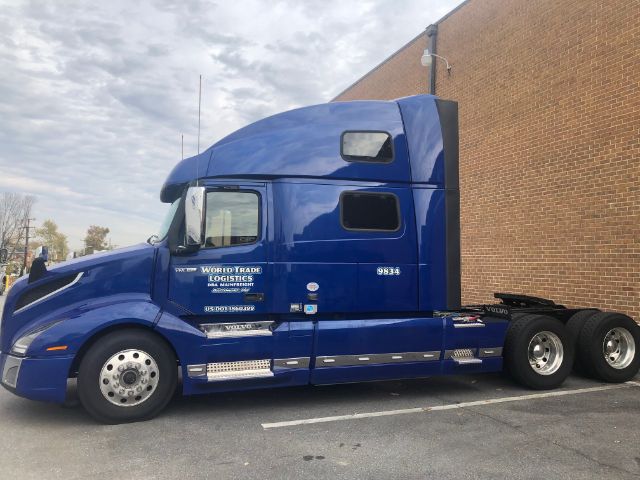
Have used volvo conventional sleeper truck to sell? List it here to reach thousands of buyers.
About Used Volvo Conventional Sleeper Trucks in Maryland
Frequently Asked Questions
What should I look for first when buying a used Volvo conventional sleeper truck?
Start with the powertrain spec, sleeper size, and maintenance history. On a used Volvo sleeper, the engine and transmission combination will determine how well the truck fits your freight, terrain, and fuel-economy goals. Confirm horsepower, torque rating, rear axle ratio, and whether the truck has an automated manual transmission such as Volvo I-Shift or an Eaton Ultrashift. Then look at sleeper amenities, bunk layout, inverter setup, and HVAC features if the truck will stay out for extended runs. Service records, engine hours, aftertreatment history, and signs of deferred maintenance matter as much as mileage.
Which Volvo sleeper models are most common in the used market?
The Volvo VNL series is the core of the conventional sleeper market, with the VNL 760 and VNL 860 among the most common long-haul configurations. The VNL 760 typically balances maneuverability and sleeper space well, while the VNL 860 usually adds a larger sleeper and more premium interior features for teams or operators who want maximum living space. Exact naming and trim details vary by generation, so it is important to compare sleeper dimensions, roof height, wheelbase, and interior layout rather than relying only on the badge.
Are Volvo conventional sleeper trucks good for fuel economy?
Volvo conventional sleepers are generally well regarded for fuel efficiency because the VNL chassis uses an aerodynamic hood, cab, and roof design paired with integrated powertrain controls. Fuel economy will still depend heavily on engine rating, transmission calibration, axle ratio, cruise speed, idle time, and total weight hauled. A truck spec'd for high payloads or steep grades may not match the fuel numbers of a lighter linehaul setup, but many buyers choose Volvo sleepers specifically because they are competitive in over-the-road fuel performance.
What sleeper features are common on used Volvo VNL trucks?
Common sleeper features include single or double bunk layouts, workstation packages, refrigerators, microwaves, inverters, auxiliary heaters, upgraded trim, and air-ride seats. Higher-spec trucks may also include premium infotainment, more storage, leather seating, and shore power or idle-reduction equipment. For long-haul applications, practical details such as mattress size, cabinet storage, bunk access, climate control performance, and 120V power availability can make a meaningful difference in daily usability.
Does buying a used Volvo sleeper in Maryland change what I should check?
In Maryland, buyers should pay close attention to emissions compliance, corrosion exposure, and the truck's operating history in regional or port-related service. Trucks that have spent time in coastal environments or on winter-treated roads can show more rust on frames, crossmembers, battery boxes, and air tank brackets. If the truck will be titled or operated in a jurisdiction with inspection and emissions requirements, verify aftertreatment condition, fault codes, and any recent repairs to the DPF, SCR, and EGR systems before purchase.