
Used Volvo Conventional Sleeper Trucks For Sale in Florida
Browse used Volvo conventional sleeper trucks in Florida. Compare VNL specs, sleeper sizes, powertrains, and highway-ready fleet features.
Learn more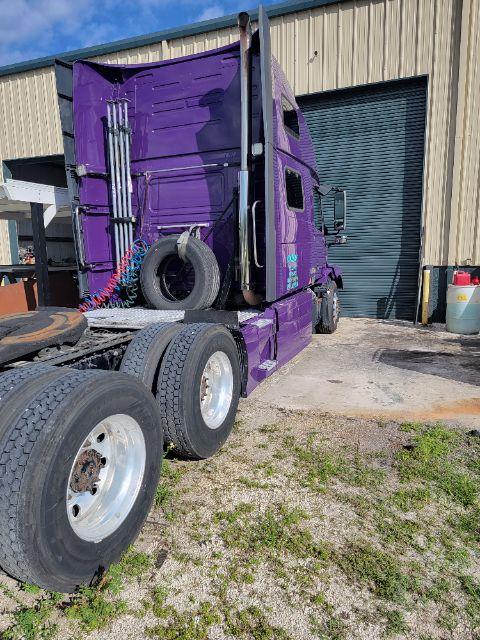
Have used volvo conventional sleeper truck to sell? List it here to reach thousands of buyers.
About Used Volvo Conventional Sleeper Trucks in Florida
A conventional sleeper truck, also known as a highway sleeper tractor, places the engine ahead of the cab and adds an integrated sleeper compartment behind the seats. On used Volvo sleepers, common decision points include wheelbase, sleeper size, roof height, axle configuration, and drivetrain spec. Many VNL units are equipped with Volvo D11 or D13 engines paired with the I-Shift automated manual transmission, though some fleets spec Cummins power in certain model years. Buyers comparing used trucks should pay attention to horsepower and torque ratings, rear axle ratio, fuel tank capacity, and fairing condition because these factors directly affect fuel burn, payload balance, and route suitability.
Inside the cab, Volvo sleepers are known for a driver-focused layout, good visibility, and a quieter ride than many competing highway tractors. Larger sleepers such as the VNL 760 and VNL 780 are common in long-haul service because they offer more storage, larger bunks, and a better setup for extended trips. On the used market, the sleeper itself deserves the same scrutiny as the chassis. Check for inverter function, bunk heater or idle management operation, cabinet condition, water leaks around seals, and wear on seats, steering wheel, and switchgear. If the truck spent time in team service or high-mileage dedicated lanes, interior wear can tell you a lot about how hard the unit worked.
The best used Volvo conventional sleeper truck is the one with a clear maintenance history and a spec that matches the freight. For Florida operation, corrosion is usually less severe than in northern road salt markets, but sun exposure, moisture, and coastal air can still affect paint, rubber seals, wiring, and aluminum components. Review service records for DPF and SCR work, injector history, transmission calibration updates, and any engine or emissions repairs. A lower purchase price can disappear quickly if the truck needs a major inframe, aftertreatment replacement, or sleeper HVAC overhaul, so total operating cost matters more than model badge alone.
Frequently Asked Questions
What should I look for first when buying a used Volvo conventional sleeper truck?
Start with the powertrain and maintenance records. On a used Volvo sleeper, engine history, aftertreatment service, transmission performance, and cooling system condition are more important than cosmetic appearance. Look for documented oil change intervals, injector or turbo work, DPF cleaning history, SCR repairs, and any signs of excessive idle time. A pre-purchase inspection with ECM scan data is one of the best ways to confirm mileage, fault codes, regen history, and operating hours.
Which Volvo sleeper models are most common in long-haul service?
The Volvo VNL series is the most common conventional sleeper platform in long-haul applications. Models like the VNL 760 and VNL 780 are popular because they provide larger sleepers, more cabinet space, and a layout suited to extended over-the-road use. Mid-roof VNL sleepers are also common for regional routes where lower overall height and reduced weight may matter more than maximum living space.
Are Volvo I-Shift transmissions a good choice in a used sleeper truck?
In most fleet applications, the I-Shift is a strong choice because it is widely used, fuel-efficient, and well matched to Volvo highway specs. The key is service history and software calibration status. A used truck with smooth shift performance, no clutch-related fault history, and proper maintenance can be a solid buy. Buyers should still verify driveline condition, clutch wear data where available, and how the truck was used, especially if it ran in heavy stop-and-go service rather than steady highway miles.
How does Florida use affect a used sleeper tractor?
Florida trucks often avoid the severe frame and undercarriage corrosion seen in northern salt-belt states, which can be an advantage. The tradeoff is heat, humidity, long idle periods, and coastal air exposure. Those conditions can shorten the life of batteries, HVAC components, seals, wiring, and some cab electronics. On a used Volvo sleeper in Florida, inspect bunk air conditioning performance, look for sun damage in the interior, and check for corrosion on electrical connections and aluminum components.
Is a cheaper used Volvo sleeper with engine problems worth buying?
It depends on the repair scope, the rest of the truck, and your cost basis after repairs. A truck with a failed engine can still make sense if the transmission, rears, frame, sleeper, and emissions system are in good shape and the repair estimate is realistic. The risk is that engine failure often comes with related damage or deferred maintenance elsewhere. Buyers should get a written estimate, confirm whether the failure affected the aftertreatment system, and compare the total invested cost against a similar road-ready Volvo sleeper.