
Used Volvo Conventional Daycab Trucks For Sale in New York
Shop used Volvo conventional daycab trucks for local and regional haul work, including VNM specs, D11 and D13 engines, and common drivetrain setups.
Learn more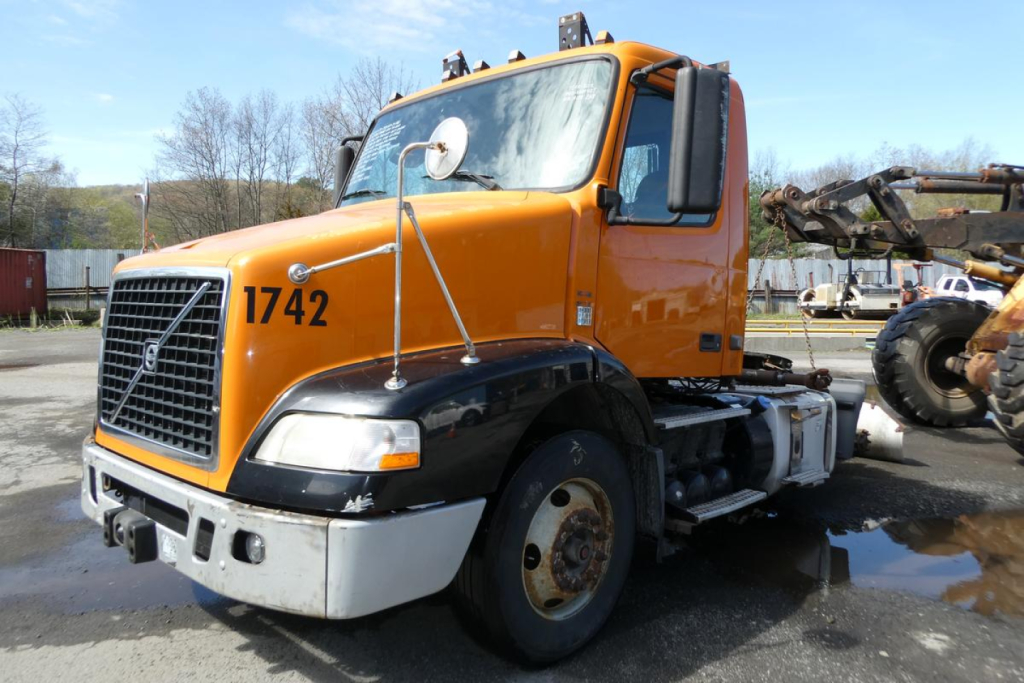
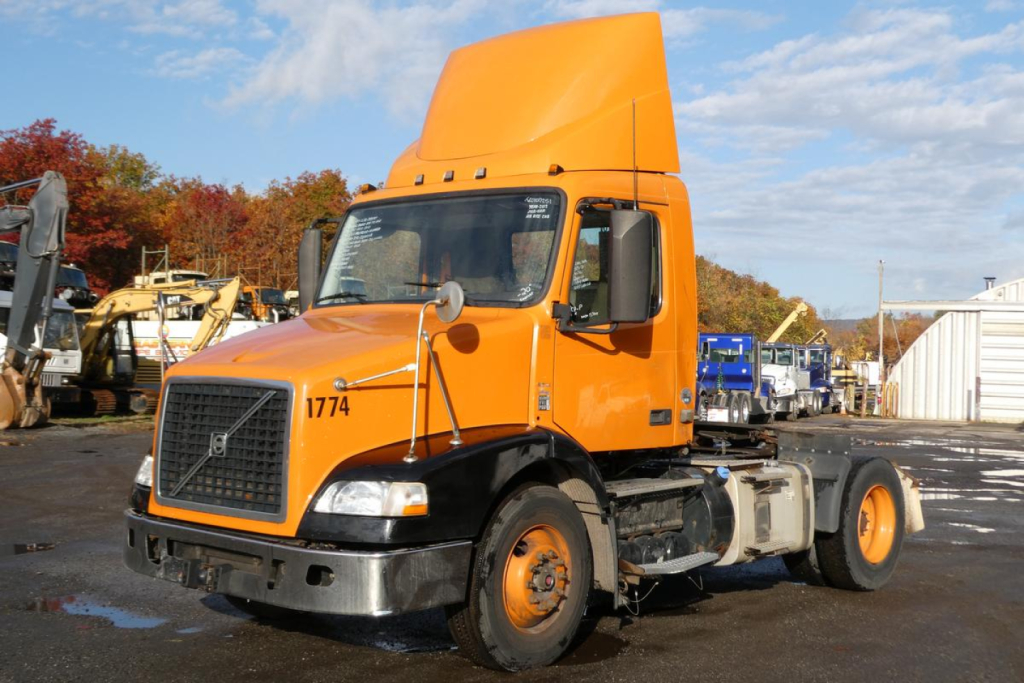
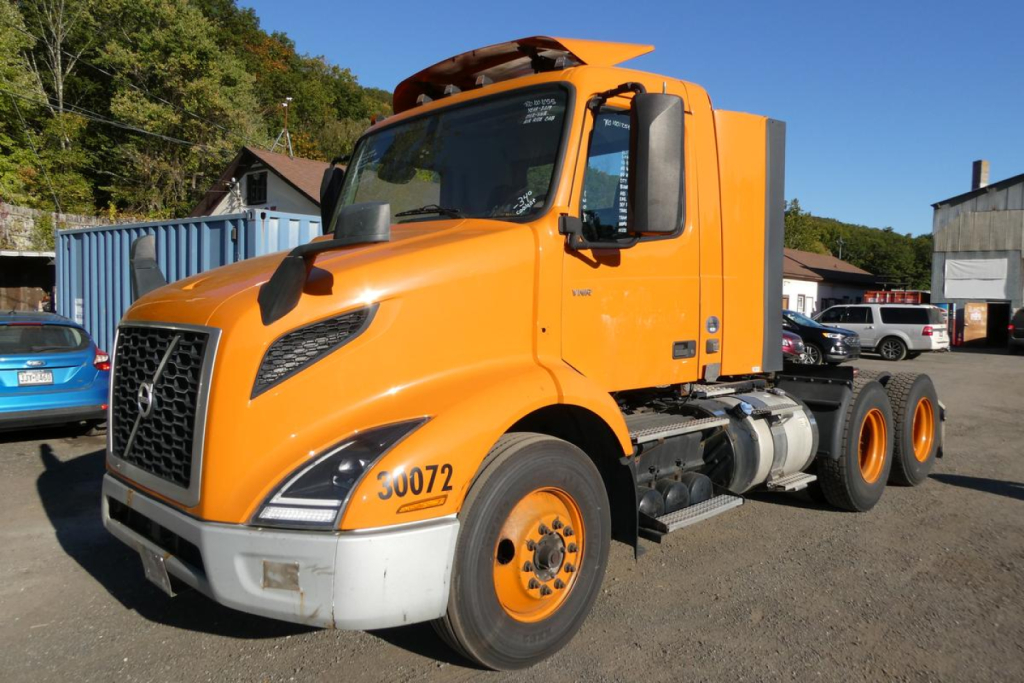
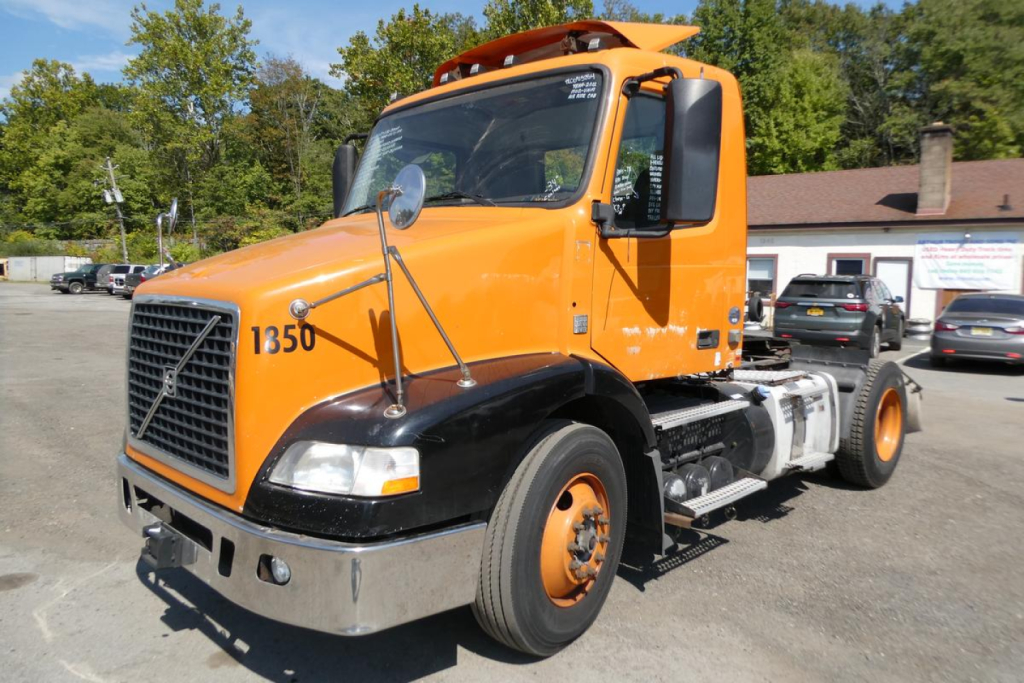
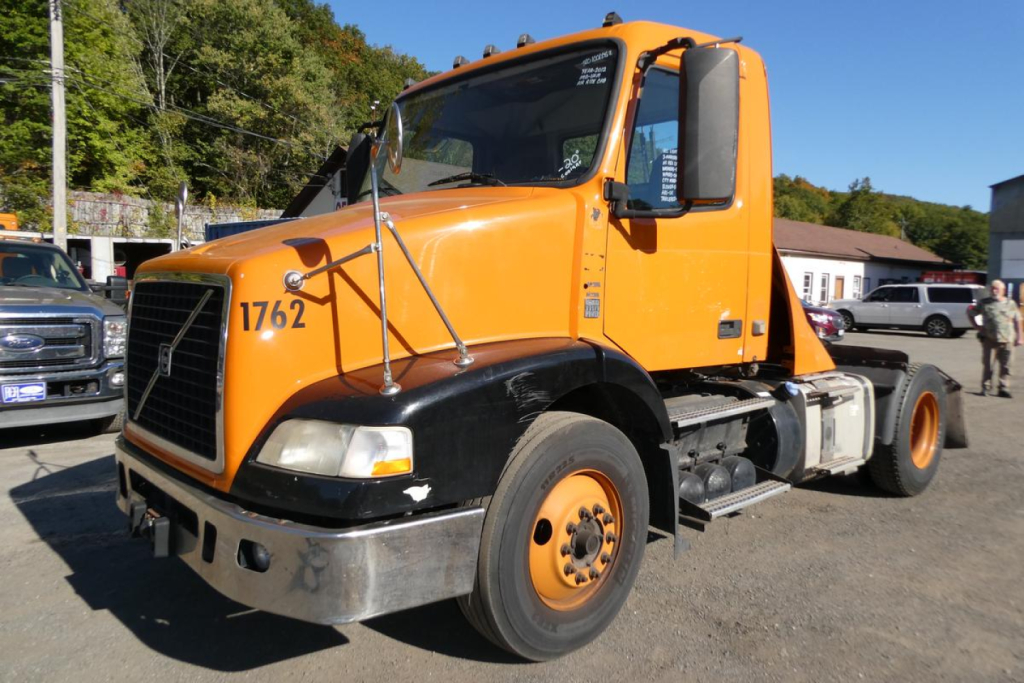
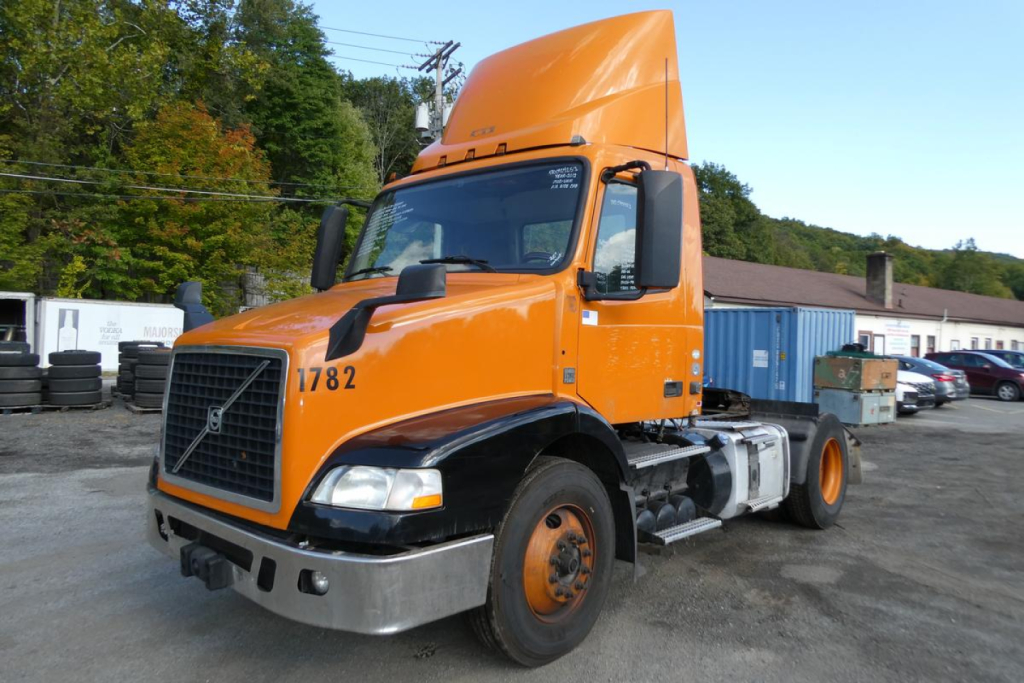
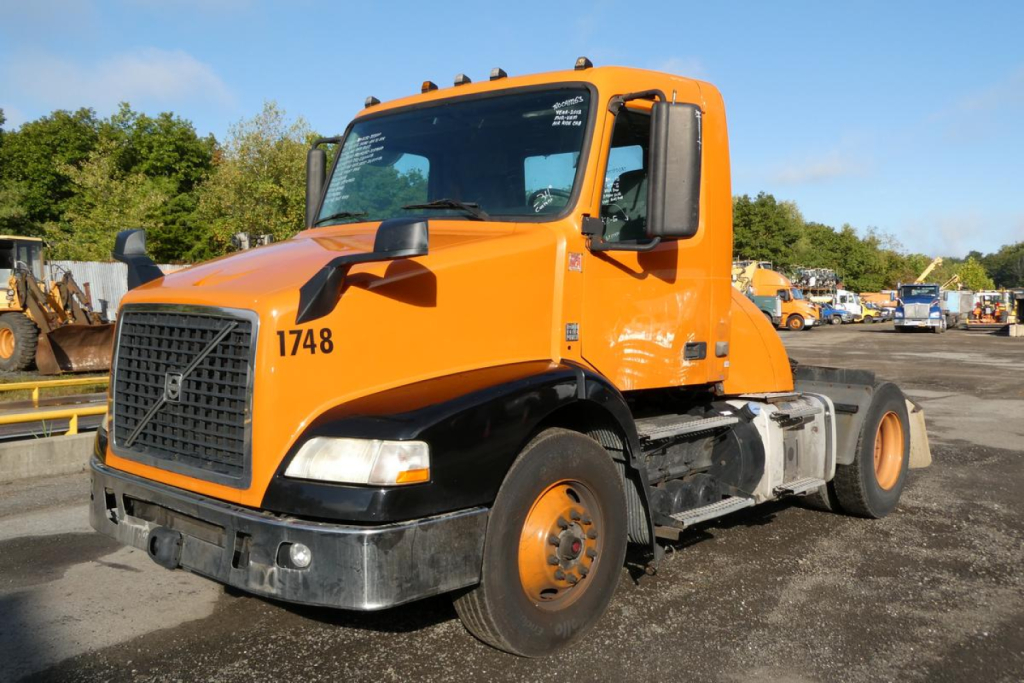
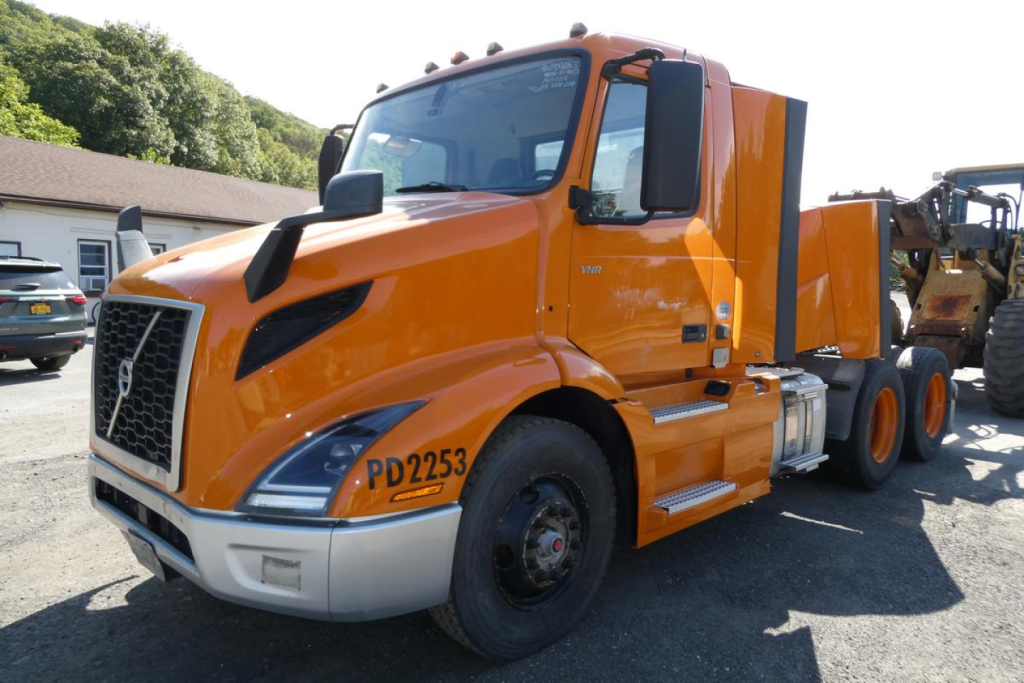
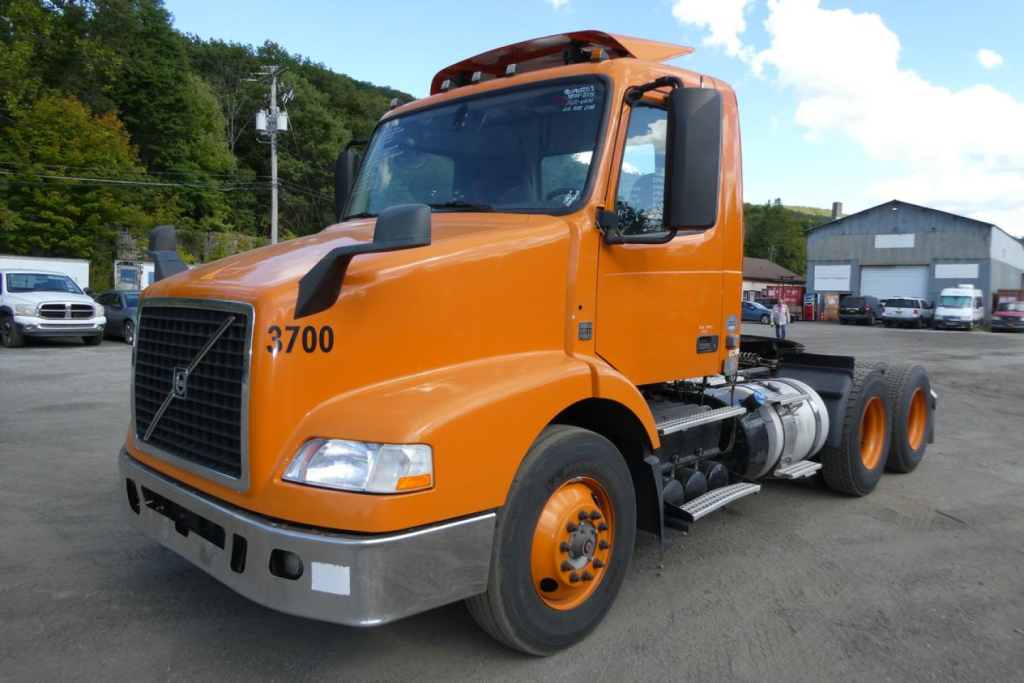
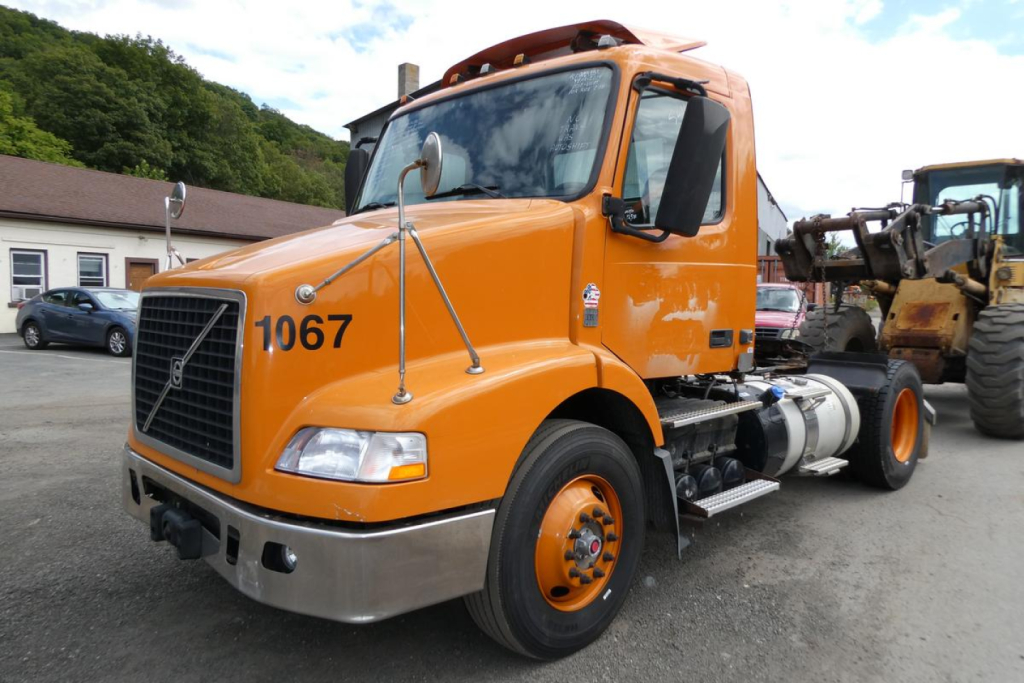
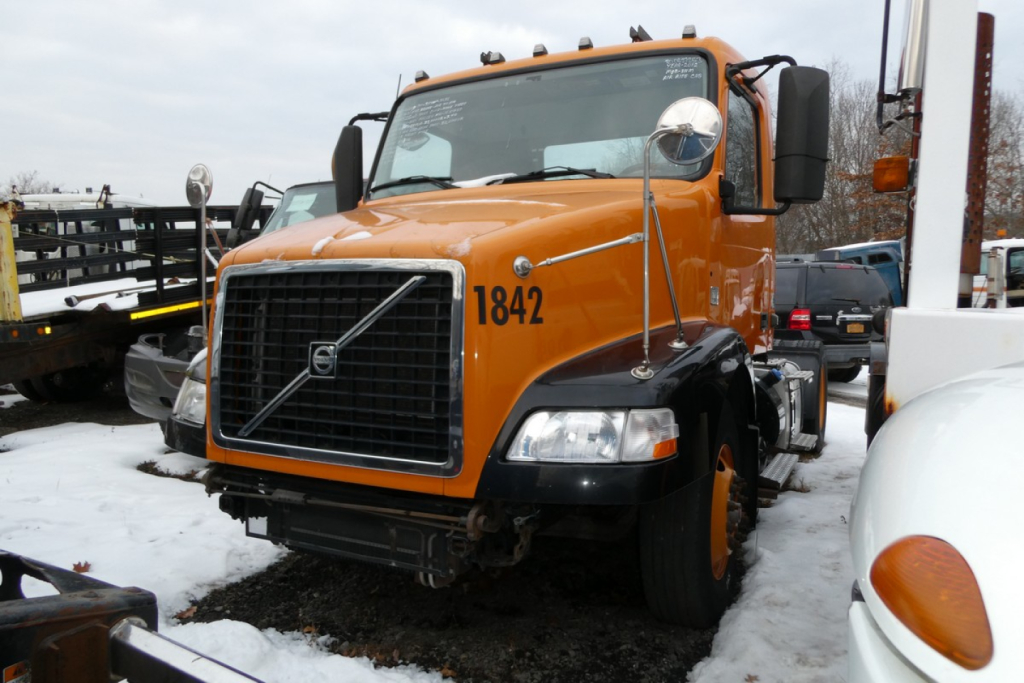
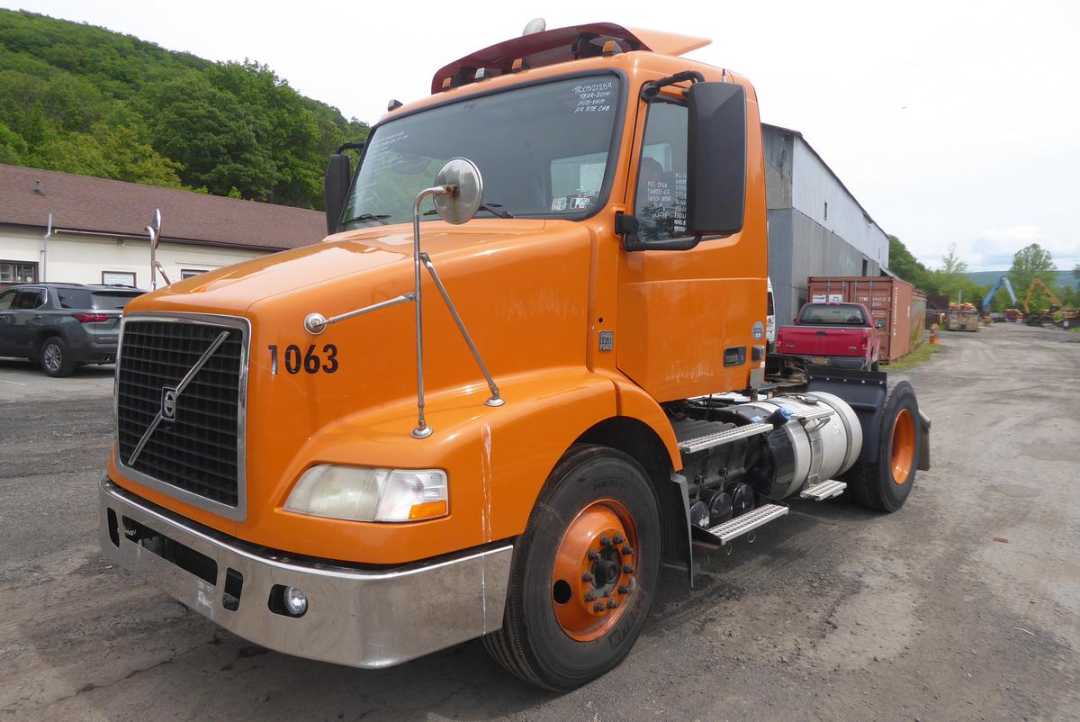
Have used volvo conventional daycab truck to sell? List it here to reach thousands of buyers.
About Used Volvo Conventional Daycab Trucks in New York
The first decision is usually between a lighter single-axle setup and a tandem-axle tractor. A used Volvo VNM42T often shows up with a D11 engine in the 385 hp range, a 10-speed manual, around a 154-inch wheelbase, and a rear axle rating suited to GVWs around 32,000 pounds. That kind of spec makes sense for shorter regional routes, warehouse shuttles, and applications where payload and maneuverability matter more than high-speed linehaul gearing. A VNM64T is a different tool, commonly equipped with a Volvo D13 around 455 hp, a 12-speed I-Shift automated manual, tandem rears around 40,000 pounds, and taller highway ratios such as 2.64. That spec is better suited for heavier trailer work, more demanding grades, and operations that want stronger resale demand in the tandem daycab market.
Volvo daycabs are also known for driver comfort and straightforward spec visibility. Common features in this class include air ride suspension, engine brakes, air disc brakes, 11R22.5 rubber, steel hub-pilot wheels, and either stationary or air-slide fifth wheels. Buyers comparing used units should look closely at wheelbase, cab-to-axle, and cab-to-end dimensions because those numbers affect trailer gap, bridge law planning, and body or wet-kit compatibility. On Volvo tractors with I-Shift, confirm clutch calibration history, software status, and how the transmission behaves under load. On manual transmission trucks, pay attention to clutch life, shift quality, and signs of driveline wear from stop-and-go service.
Condition matters more than brand reputation on any used daycab. Review engine hours against miles, check for active fault codes, and verify whether warning lights involve emissions, aftertreatment, traction control, or cab electronics. D11 and D13 engines are widely recognized powerplants, but DEF system health, SCR performance, injector history, and cooling system condition should be part of any serious inspection. A used Volvo conventional daycab with documented maintenance, consistent ECM readings, healthy brakes and suspension, and a drivetrain matched to the job can be a very efficient tractor for urban and regional freight.
Frequently Asked Questions
What is the difference between a Volvo VNM42T and a Volvo VNM64T daycab?
The main difference is axle configuration, capacity, and typical application. A Volvo VNM42T is generally a single-axle daycab used for lighter regional work, local delivery, and shorter trailer moves where maneuverability and lower operating weight are important. A Volvo VNM64T is a tandem-axle daycab built for heavier trailer loads, more demanding road conditions, and broader tractor use. Buyers should compare rear axle rating, wheelbase, engine size, and transmission type because those factors determine how the truck will perform in the intended duty cycle.
Are Volvo daycab trucks good for New York and Northeast operations?
Yes. Volvo conventional daycab trucks are well suited to New York and Northeast operations because they combine a compact tractor layout with good visibility, driver comfort, and stable road manners in congested traffic. They work well in port drayage, food distribution, warehouse transfers, and other applications with frequent stops and tighter streets. The key is choosing the right wheelbase, axle setup, and fifth wheel position so the truck fits urban routes, terminal work, and trailer combinations common in the region.
What should I inspect first on a used Volvo daycab?
Start with the engine and aftertreatment system, then move to the transmission, suspension, brakes, and cab electronics. On used Volvo daycabs, buyers commonly review ECM miles and engine hours, scan for active and inactive fault codes, inspect DEF and SCR components, and check for warning lights related to emissions or traction systems. Transmission behavior under load is important, especially on I-Shift units. Brake condition, air system integrity, and evidence of frame or fifth wheel wear should also be verified before purchase.
Is the Volvo I-Shift a good transmission in a used daycab tractor?
The Volvo I-Shift is widely regarded as a strong option in a used daycab when it has been maintained and calibrated properly. It can improve drivability in stop-and-go service, reduce driver fatigue, and help with fuel economy versus some manual setups. The important part is confirming smooth engagement, proper shift logic, no clutch or transmission fault history, and current software where applicable. A road test under real load is more useful than an unloaded yard impression.
Which engine is better in a used Volvo daycab, the D11 or the D13?
Neither is automatically better because the right choice depends on application. The Volvo D11 is often a practical fit for lighter local and regional work where lower weight and adequate horsepower are enough. The Volvo D13 is a better match for heavier tandem daycab service, more demanding trailer pulls, and routes where extra torque matters. Buyers should look at horsepower, torque rating, rear axle ratio, and the actual work the truck will do instead of choosing by engine size alone.