
Used Trucks For Sale in Virginia
Used trucks for sale in Virginia, with expert guidance on tare weight, floor strength, thermal integrity, corrosion resistance, and spec trade offs.
Learn morePopular Trucks Categories
12 Listings

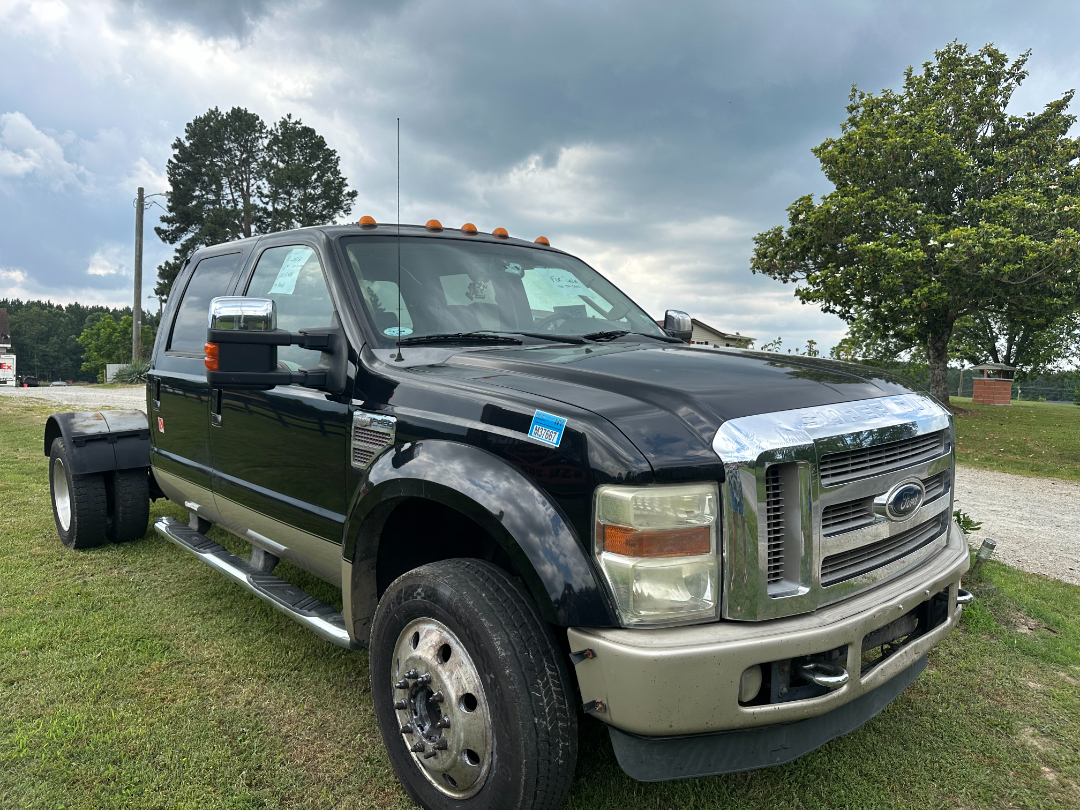
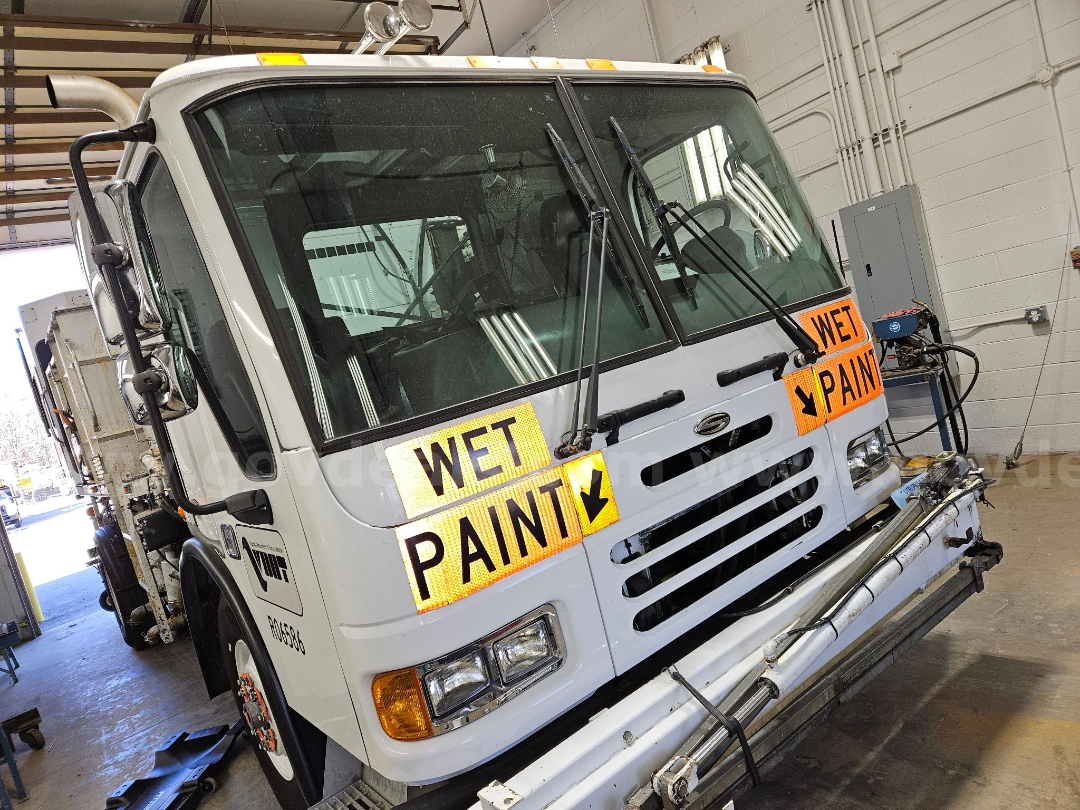
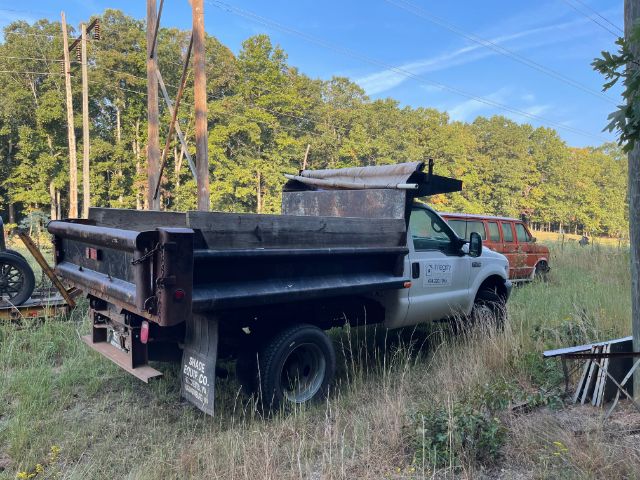
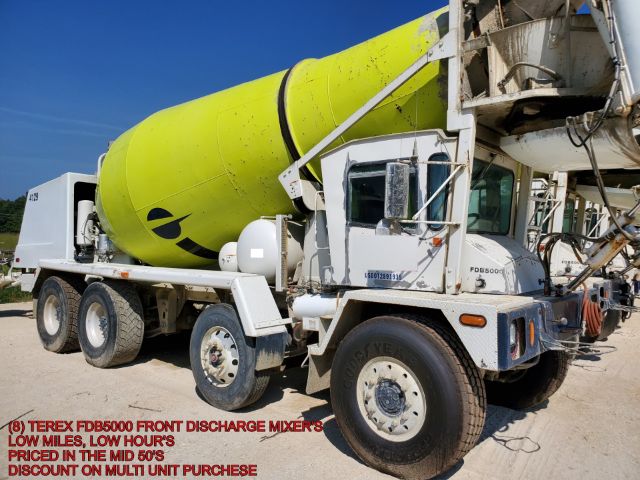
Have used truck to sell? List it here to reach thousands of buyers.
About Used Trucks in Virginia
Used trucks for sale in Virginia cover everything from port dray at Norfolk to long grades on I-81 and dense delivery zones in Richmond and Hampton Roads. Spec choices should match terrain and climate. Inspect frame rails for scaling and pitting, verify crossmembers and fifth wheel mounting integrity on tractors, and check cab mounts for movement. Coastal exposure and winter brine accelerate rust, so galvanized or epoxy coated steel, aluminum cabs and wheels, and stainless fasteners add long term value while keeping tare weight in check.
Powertrain selection drives operating cost. 12.8L to 15L engines in the 400 to 500 hp range with 1,550 to 1,850 lb ft torque fit most linehaul, paired with automated manual transmissions for consistent shifting on grades, or 10 to 13 speed manuals for control. For regional and P&D work, 9L to 11L engines reduce tare weight and fuel burn. Match rear axle ratings, 40k or 46k, to payload and terrain, and choose ratios around 2.47 to 3.36 to hit target cruise RPM. Verify aftertreatment health, DOC DPF SCR, dosing history, and recent regens, and pull an oil sample when possible.
Straight trucks demand close attention to floor strength and body hardware. For dry freight, look for laminated hardwood floors 1.25 inch or thicker with 12 inch or 18 inch scuff liners, aluminum or steel thresholds, and E track or logistics posts that are not pulled from the wall. For heavier palletized freight, an aluminum duct or knurled floor with a 12,000 to 20,000 pound forklift rating resists point loading and racking. For dumps, inspect body liner wear, hoist pins, and hinge ears. Liftgate capacity, platform rigidity, pump noise, and battery health affect uptime at the dock.
Thermal integrity governs reefer efficiency and product protection. Foam in place insulated panels with tight joints, intact door seals, straight hinges, and a clean drain system hold temperature with fewer hours on the unit, reducing fuel and defrost cycles. Inspect for delamination, crushed nose skins, and punctures at the scuff line that create thermal bridges. Verify unit hours, service records, and remote monitoring readiness. Across all used trucks in Virginia, target low tare weight with aluminum wheels, single side tanks, and spec appropriate air ride, balance that with corrosion resistant finishes and sealed wiring, look for heat shrunk connectors, Deutsch plugs, and LED lighting to minimize electrical issues.
Powertrain selection drives operating cost. 12.8L to 15L engines in the 400 to 500 hp range with 1,550 to 1,850 lb ft torque fit most linehaul, paired with automated manual transmissions for consistent shifting on grades, or 10 to 13 speed manuals for control. For regional and P&D work, 9L to 11L engines reduce tare weight and fuel burn. Match rear axle ratings, 40k or 46k, to payload and terrain, and choose ratios around 2.47 to 3.36 to hit target cruise RPM. Verify aftertreatment health, DOC DPF SCR, dosing history, and recent regens, and pull an oil sample when possible.
Straight trucks demand close attention to floor strength and body hardware. For dry freight, look for laminated hardwood floors 1.25 inch or thicker with 12 inch or 18 inch scuff liners, aluminum or steel thresholds, and E track or logistics posts that are not pulled from the wall. For heavier palletized freight, an aluminum duct or knurled floor with a 12,000 to 20,000 pound forklift rating resists point loading and racking. For dumps, inspect body liner wear, hoist pins, and hinge ears. Liftgate capacity, platform rigidity, pump noise, and battery health affect uptime at the dock.
Thermal integrity governs reefer efficiency and product protection. Foam in place insulated panels with tight joints, intact door seals, straight hinges, and a clean drain system hold temperature with fewer hours on the unit, reducing fuel and defrost cycles. Inspect for delamination, crushed nose skins, and punctures at the scuff line that create thermal bridges. Verify unit hours, service records, and remote monitoring readiness. Across all used trucks in Virginia, target low tare weight with aluminum wheels, single side tanks, and spec appropriate air ride, balance that with corrosion resistant finishes and sealed wiring, look for heat shrunk connectors, Deutsch plugs, and LED lighting to minimize electrical issues.