
Used Trailmobile Van Trailers For Sale
Browse used Trailmobile van trailers, including 48-ft and 53-ft dry vans with air-ride or spring suspension, swing doors, and slider tandems.
Learn more
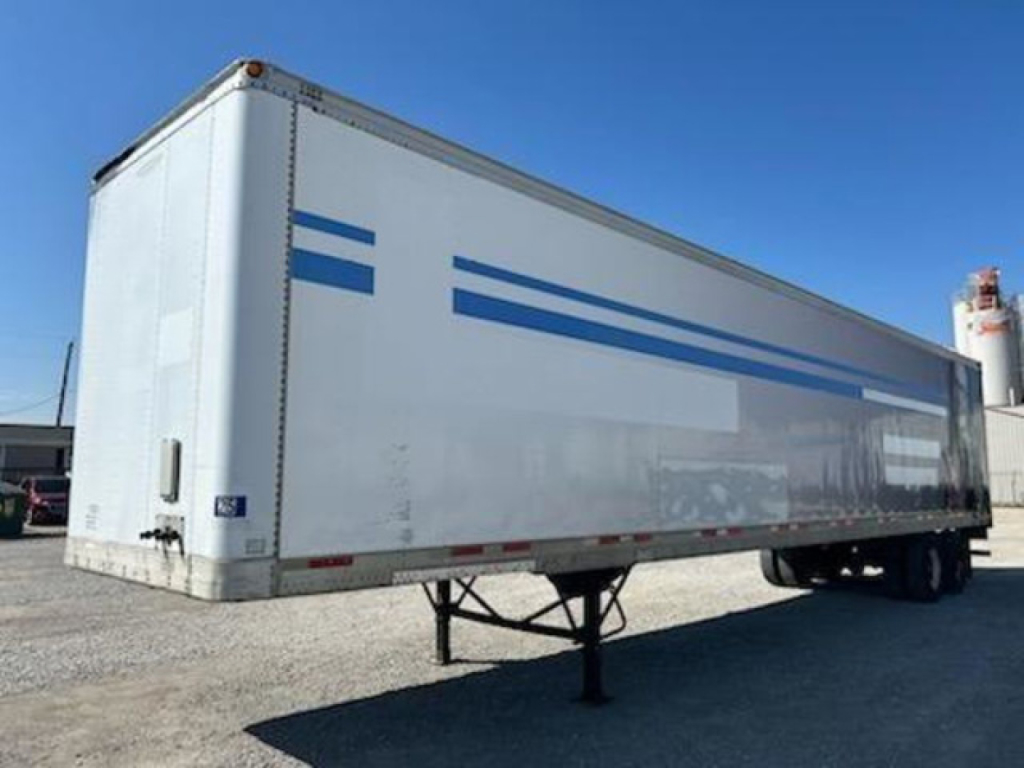
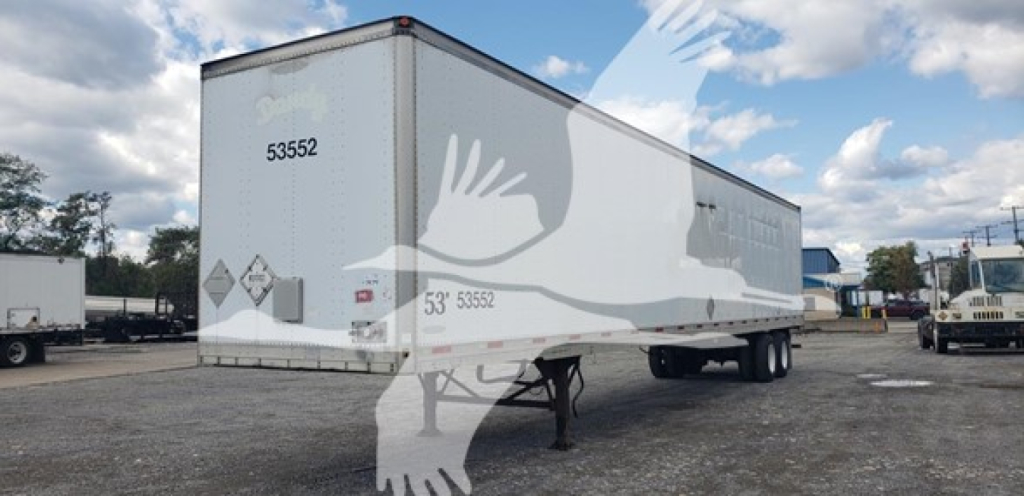
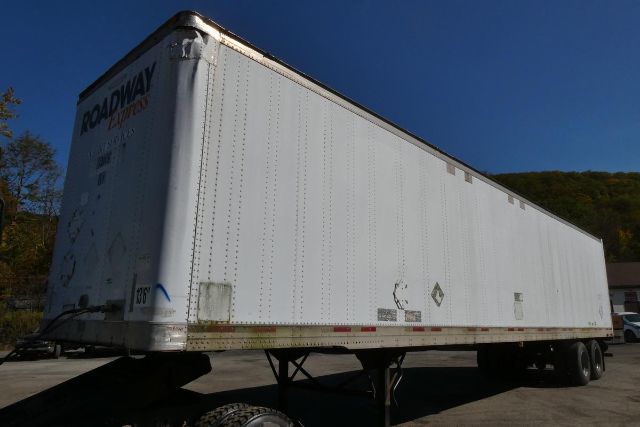
Showing 1 to 12 of 19 results
Have used trailmobile van trailer to sell? List it here to reach thousands of buyers.
About Used Trailmobile Van Trailers
Suspension and tandem setup usually drive the buying decision first. Air-ride trailers are preferred for freight that benefits from better ride protection and for fleets that want a smoother trailer behind the tractor, while spring ride can still make sense for lower-cost regional work or yard use. A slider tandem adds flexibility for bridge law compliance and customer dock requirements, especially on 53-foot trailers. Buyers should also pay attention to tire size, wheel type, brake type, and axle condition, since older dry vans can vary widely in remaining service life. On a used Trailmobile van, it is worth checking kingpin area condition, crossmembers, rear frame, ICC bumper, and slider rails for fatigue or corrosion.
Body spec is just as important as chassis condition. Many used Trailmobile plate vans and dry vans come with plywood or composite lining, scuff plates, threshold plates, front and rear vents, and logistics posts or track. Those details affect how well the trailer handles palletized freight, hand-loaded freight, and mixed customer freight. Wood floors remain common and are serviceable when maintained, but floor wear, patches, and fastener pull-through should be inspected closely. Door type also matters. Swing doors are simple, durable, and common in dock-based operations, but buyers should inspect hinges, seals, header condition, and evidence of rear impact damage.
Trailmobile van trailers also show up in secondary roles where road use is not the main priority. Older 48-foot vans are often repurposed as jobsite storage, construction storage, or local warehouse overflow because enclosed trailers provide weather protection and lockable security. For over-the-road use, focus on roof condition, sidewall repairs, water intrusion, DOT compliance items, and signs of previous cargo damage inside the box. A well-maintained used Trailmobile van trailer can still be a cost-effective dry freight asset, but the best value usually comes from matching the trailer's age, suspension, door style, and interior spec to the freight it will actually haul.
Frequently Asked Questions
What are the most common sizes for used Trailmobile van trailers?
The most common sizes are 48-foot and 53-foot dry van trailers, typically built to 102 inches wide and around 13 feet 6 inches tall. A 53-foot van is the standard choice for higher cube freight and general over-the-road work, while a 48-foot van can be a solid fit for regional routes, storage use, or operations with tighter yard space. The right size depends on freight volume, customer requirements, and state bridge and axle considerations.
Is air-ride or spring suspension better on a used Trailmobile van trailer?
Air-ride is usually preferred for general freight because it offers a smoother ride and can reduce cargo shock, especially on palletized or damage-sensitive loads. Spring ride is simpler and may cost less upfront, which can make sense for basic dry freight, short-haul work, or storage applications. On a used trailer, condition matters as much as suspension type, so buyers should inspect air bags, shocks, bushings, hangers, and axle alignment before deciding.
What should I inspect first on a used dry van trailer?
Start with the structural areas that are expensive to repair: the frame, crossmembers, kingpin plate, landing gear mounts, rear frame, and tandem slider assembly. Then inspect the roof, sidewalls, floor, and door frame for leaks, patches, cracks, and impact damage. Tire wear, brake condition, ABS function, and signs of corrosion around the suspension and undercarriage are also critical because they affect both safety and immediate operating cost.
What interior features matter most in a used Trailmobile plate van?
The most useful interior features are logistics posts or track, scuff liners, threshold plates, and a solid wood floor. Logistics equipment gives you more flexibility for load securement, while scuff protection helps preserve the sidewalls in high-turn freight service. Buyers should also look for front and rear vents when airflow matters and inspect the floor closely for rot, delamination, patchwork, or forklift damage.
Can an older Trailmobile van trailer still be useful if it is not ideal for over-the-road service?
Yes. Older van trailers are often used successfully for onsite storage, construction material storage, warehouse overflow, and local shuttle work. In those applications, cosmetic wear may matter less than door security, roof integrity, and floor condition. If the trailer will stay mostly stationary, buyers can focus less on tandem wear and road-ready tires and more on keeping the box dry, secure, and structurally sound.