
Used Peterbilt Conventional Sleeper Trucks For Sale in Missouri
Browse used Peterbilt conventional sleeper trucks in Missouri. Compare 579 specs, sleeper sizes, MX-13 power, drivetrain, and fleet-ready features.
Learn more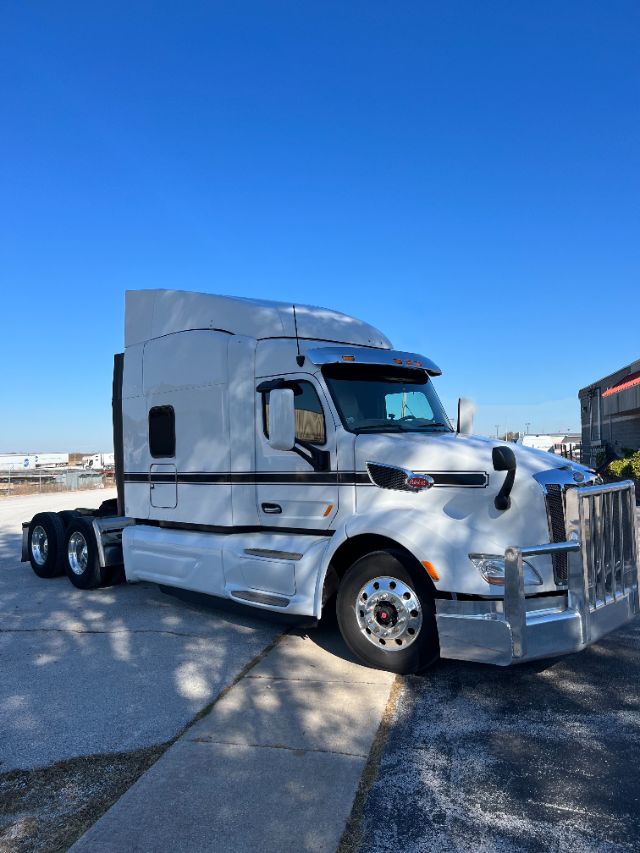
Have used peterbilt conventional sleeper truck to sell? List it here to reach thousands of buyers.
About Used Peterbilt Conventional Sleeper Trucks in Missouri
For most buyers, the main decisions come down to engine platform, transmission, wheelbase, and sleeper size. Many used Peterbilt sleepers are spec'd with the PACCAR MX-13, though Cummins power can also appear depending on year and original order. Horsepower ratings typically land in the 400 to 510 hp range, with torque matched to the intended haul and axle ratio. Transmissions may be manual, automated manual, or fully automatic in some vocational crossover specs, but highway units are commonly paired with Eaton Fuller manuals or AMTs. Pay attention to rear axle ratings, suspension type, and fuel capacity, especially if the truck will be covering longer Midwest lanes without frequent stops.
Sleeper configuration matters more than many first-time buyers expect. A mid-roof or high-roof Peterbilt conventional sleeper can change driver comfort, storage, and payload flexibility depending on the operation. Interior layout, bunk design, cabinet space, inverter prep, and HVAC performance all affect day-to-day livability. On the chassis side, check for typical long-haul details like fairings, collision mitigation systems, disc versus drum brakes, wheel and tire spec, and the condition of emissions components. A used truck with complete service history, recent PM work, and documented aftertreatment repairs can be a better value than a lower-priced unit with unknown downtime risk.
Peterbilt sleepers also hold attention in the resale market because the brand has a strong reputation for fit, finish, and driver retention. Buyers comparing used conventional sleeper trucks should look closely at mileage, idle hours, warranty history, ECM data, and any signs of frame modifications or fifth wheel repositioning. In Missouri, where trucks may see a mix of interstate miles, local terminal work, and seasonal weather, condition under the cab, corrosion exposure, and tire wear patterns are worth a careful look. A well-spec'd used Peterbilt conventional sleeper can deliver the combination most buyers want: highway efficiency, sleeper comfort, and a familiar platform with proven support across major freight corridors.
Frequently Asked Questions
What is the most common Peterbilt conventional sleeper model on the used market?
The Peterbilt 579 is one of the most common conventional sleeper trucks on the used market. It is popular because it combines aerodynamic fuel-saving design, a comfortable sleeper cab, and widespread parts and service support. Buyers often find it in fleet specs for over-the-road freight, with a wide range of engine, transmission, and sleeper configurations.
What engine is commonly found in a used Peterbilt conventional sleeper truck?
Many used Peterbilt conventional sleeper trucks are equipped with the PACCAR MX-13 engine, especially in later-model highway tractors. Depending on the original spec and year, some units may also have Cummins power. Buyers should verify horsepower, torque rating, emissions system history, and service records, since these factors affect performance, fuel economy, and long-term maintenance cost more than the badge alone.
What should I check first on a used Peterbilt sleeper?
Start with mileage, engine hours, idle hours, maintenance records, and ECM data if available. Then inspect the aftertreatment system, transmission operation, tire condition, suspension wear, brake type and remaining life, and any signs of oil or coolant leaks. On the cab and sleeper side, look at HVAC operation, bunk condition, seals, electrical accessories, and evidence of water intrusion. These items usually tell you more about real-world condition than appearance alone.
Are Peterbilt conventional sleeper trucks good for Missouri freight lanes?
Yes. Peterbilt conventional sleeper trucks are well suited for Missouri freight operations because they can handle interstate long-haul work, regional distribution, and dedicated routes across the Midwest. Common specs offer enough fuel capacity, sleeper comfort, and highway gearing for longer runs, while still being flexible enough for mixed freight operations based around major corridors and terminal networks.
How do I choose the right sleeper size in a used Peterbilt?
Choose sleeper size based on length of haul, driver needs, and payload priorities. A larger high-roof sleeper usually provides better standing room, storage, and comfort for teams or extended over-the-road use. A smaller sleeper can reduce weight and may better fit operations with shorter routes or tighter spec requirements. The right choice depends on how the truck will actually be dispatched, not just on appearance.