
Used Peterbilt Conventional Sleeper Trucks For Sale in Louisiana
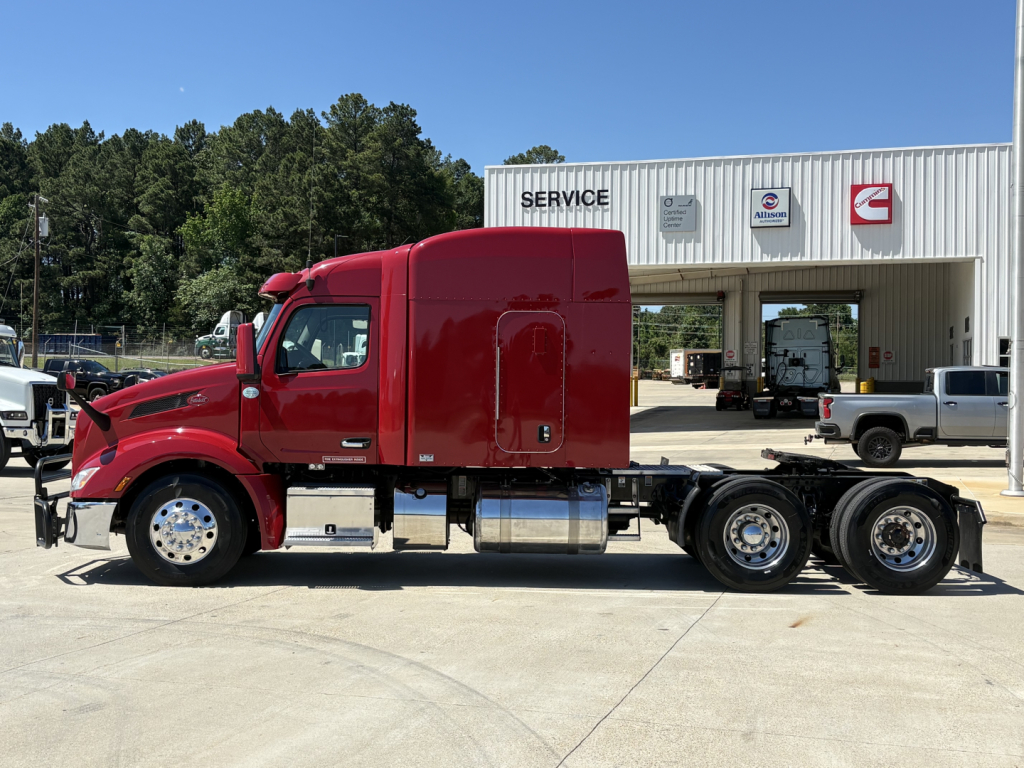
Shop used Peterbilt conventional sleeper trucks in Louisiana. Compare 579 specs, sleeper sizes, powertrains, wheelbases, and highway features.
Learn more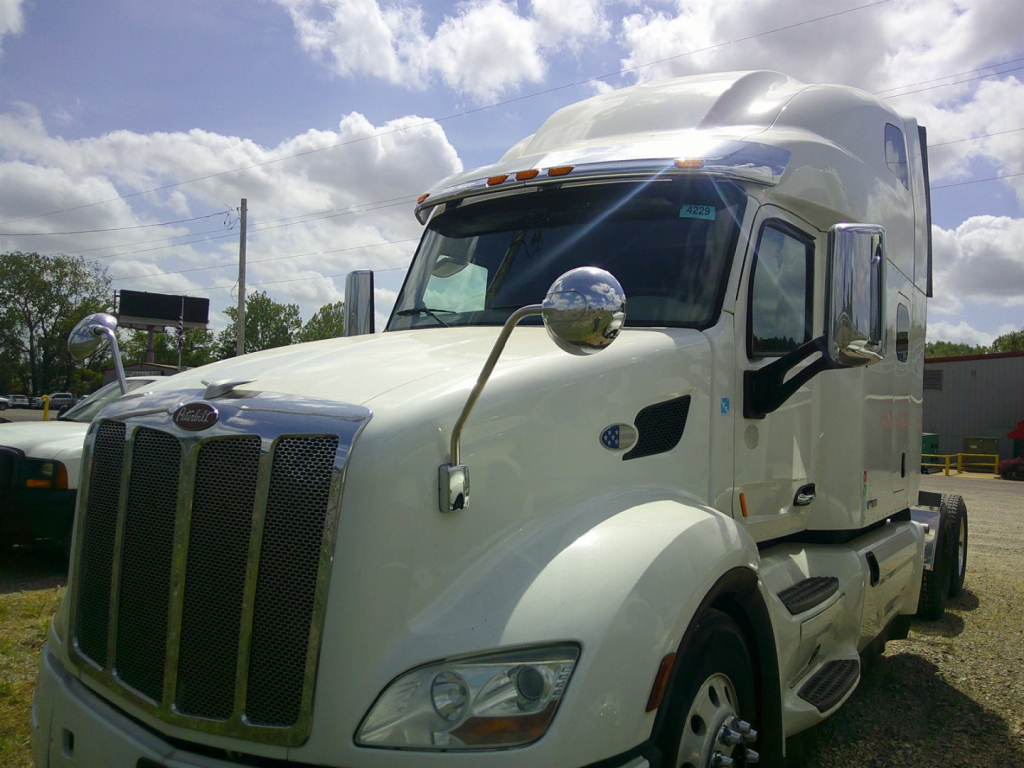
Have used peterbilt conventional sleeper truck to sell? List it here to reach thousands of buyers.
About Used Peterbilt Conventional Sleeper Trucks in Louisiana
Frequently Asked Questions
What should I look for first on a used Peterbilt conventional sleeper truck?
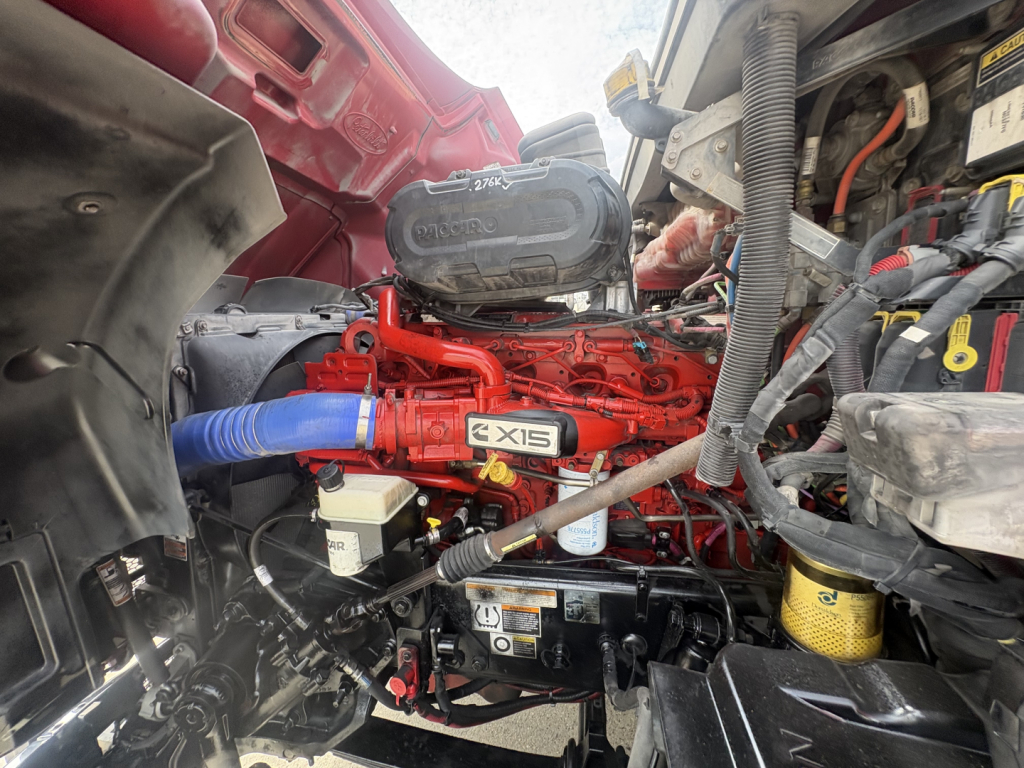
Start with the powertrain and the intended lane. On late-model Peterbilt 579 sleepers, common specs include a Cummins X15 around 450 hp, an automated Eaton Fuller transmission, and fuel-focused rear axle ratios such as 2.85. That combination is typically set up for highway cruising, lower engine rpm, and standard 53-foot trailer work. After that, look at wheelbase, suspension type, sleeper size, and driver comfort equipment because those items affect both operating cost and driver acceptance.
Is the Peterbilt 579 a good choice for fuel-efficient over-the-road work?
Yes. The 579 is widely used for over-the-road and regional freight because its aerodynamic design, modern powertrain options, and common spec choices are built around highway efficiency. Trucks equipped with a Cummins X15, automated manual transmission, and a tall rear ratio are especially common in fleets trying to balance fuel economy with enough power for loaded interstate operation. Actual fuel performance still depends on speed, terrain, idle time, trailer spec, and maintenance history.
What sleeper and cab features are common on used Peterbilt sleepers?
Many used Peterbilt conventional sleepers are equipped with 72-inch mid-roof configurations, which give drivers practical bunk space without the added height and weight of a full high-roof setup. Common comfort and idle-management features include APUs, bunk heaters such as an Espar unit, inverters, refrigerators, and engine auto start-stop systems. These features matter on long runs because they reduce idle time, improve rest quality, and can lower operating costs over time.
Are advanced safety systems common on newer used Peterbilt sleeper trucks?
On newer used units, yes. Many late-model Peterbilt sleepers include collision mitigation and driver-assist technology such as Bendix Fusion, adaptive cruise control, and side object detection. These systems can be a meaningful advantage for fleets focused on accident reduction, insurance performance, and driver retention. Buyers should still confirm that all sensors, cameras, radar components, and software calibrations are functioning correctly as part of the inspection process.
How does wheelbase affect a used conventional sleeper truck?
Wheelbase affects trailer swing clearance, ride quality, weight distribution, and maneuverability. In this category, wheelbases in the low-to-mid 220s up through the 240s are common, depending on sleeper size and intended application. A 228-inch to 244-inch wheelbase is a typical highway spec for standard van or reefer work. The right choice depends on trailer length, kingpin setting, axle placement, and how often the truck has to work in tighter yards, terminals, or urban areas.