
Used Peterbilt Conventional Sleeper Trucks For Sale in Kansas
Browse used Peterbilt conventional sleeper trucks in Kansas. Compare sleeper sizes, powertrains, fuel economy, and specs for OTR hauling.
Learn more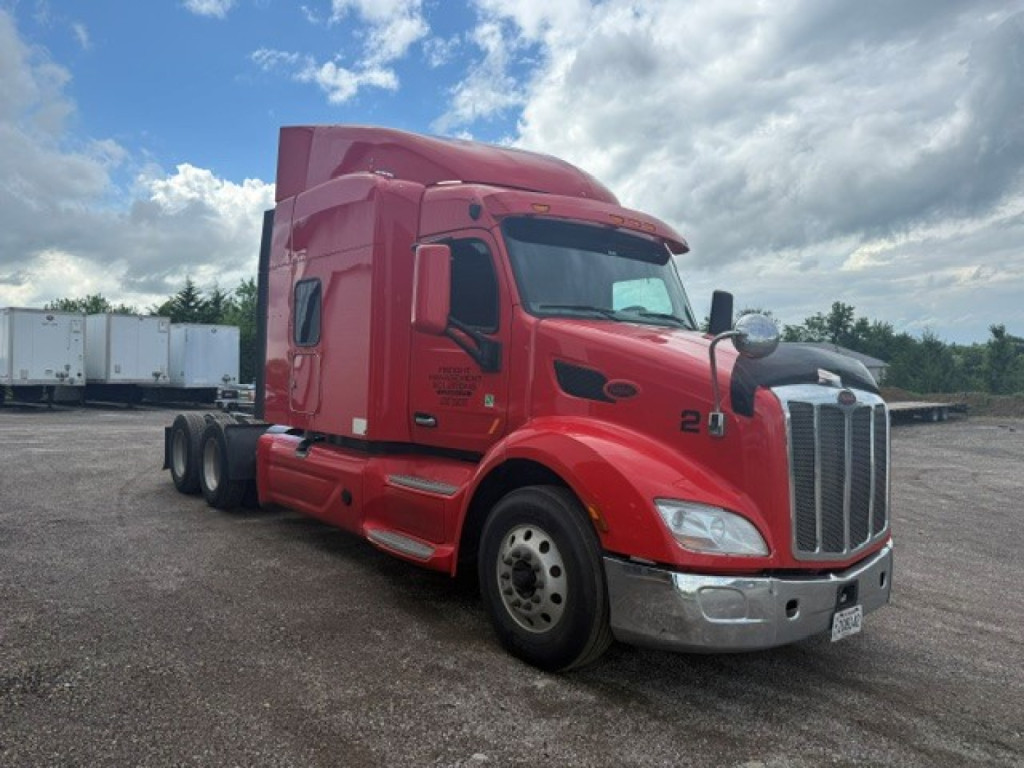
Have used peterbilt conventional sleeper truck to sell? List it here to reach thousands of buyers.
About Used Peterbilt Conventional Sleeper Trucks in Kansas
A buyer should start with the powertrain and axle package. Many used Peterbilt sleepers on the market are equipped with PACCAR MX engines, while others may have Cummins power. Each has its own service network, fuel economy profile, and owner preference. Transmission choice matters just as much. Automated manuals are common in later-model highway sleepers because they reduce driver fatigue and can improve consistency in fuel usage, while manual transmissions still appeal to some owner-operators. Check rear axle ratio, wheelbase, and gross vehicle weight rating against the freight you plan to run. For Kansas-based operations, a practical spec often favors highway gearing, fairing packages, and aerodynamic mirrors to support long-distance efficiency.
Sleeper size and interior layout deserve close attention because they affect both comfort and productivity. Conventional sleeper trucks may be spec'd with mid-roof or high-roof configurations, and the difference matters if the truck will stay out for extended periods. Look at bunk width, cabinet space, fridge prep, inverter setup, and idle management systems if the truck will be used for over-the-road service. Buyers should also inspect the condition of the seats, dash, HVAC performance, bunk heater or APU setup, and any signs of excessive cab wear. Peterbilt conventionals tend to hold appeal with drivers because of interior fit and finish, visibility, and ride quality, but condition varies widely depending on prior use and maintenance discipline.
On a used truck, maintenance history often matters more than brand reputation alone. Review engine hours, mileage, emissions system service, tire condition, brake life, and suspension wear. Pay close attention to DPF and SCR history, coolant and oil service intervals, and any recent work on the clutch, transmission, or aftertreatment components. A well-kept Peterbilt sleeper can be a strong platform for dry van, reefer, and general freight operations, especially for buyers who want a highway tractor with good parts support and broad market familiarity. The best choice is the one with a spec that matches your lanes, your trailer type, and the total operating cost you expect over the next several years.
Frequently Asked Questions
What is the main advantage of a used Peterbilt conventional sleeper truck?
The main advantage is the combination of highway comfort, brand recognition, and broad usability for over-the-road freight. Peterbilt conventional sleepers are widely used in dry van, reefer, and general freight service, so buyers can usually find familiar specs, established service support, and strong resale demand. A well-maintained used unit can deliver lower acquisition cost than a new truck while still offering the sleeper space, aerodynamics, and ride quality needed for long-haul work.
Which Peterbilt sleeper models are most common in the used highway market?
The Peterbilt 579 is one of the most common used conventional sleeper models in the highway market. It is known for aerodynamic styling, fuel-efficient highway performance, and a driver-focused cab. Depending on model year and prior application, buyers may also see other Peterbilt sleeper configurations, but the 579 is typically the benchmark for fleets and owner-operators looking at late-model used Peterbilt highway tractors.
What should I inspect first on a used Peterbilt sleeper truck?
Start with maintenance records, engine mileage, engine hours, and emissions system history. After that, inspect the tires, brakes, suspension, steering components, and signs of frame or collision repair. On highway sleepers, it is also important to verify sleeper HVAC operation, bunk condition, fairing integrity, and any APU or inverter setup. The powertrain spec should match your freight and terrain, so confirm engine rating, transmission type, axle ratio, and wheelbase before focusing on cosmetic condition.
Are used Peterbilt conventional sleepers a good fit for Kansas-based trucking operations?
Yes, they are often a strong fit for Kansas-based operations because the state supports a lot of regional and long-haul freight movement on major interstate corridors. A conventional sleeper with an aerodynamic spec and efficient drivetrain is well suited to long highway miles, open terrain, and consistent trailer work such as dry van and reefer hauling. Buyers running westbound lanes or heavier freight should pay close attention to horsepower, torque, and rear axle gearing so the truck performs efficiently beyond flat ground.
How important is sleeper size when buying a used conventional truck?
Sleeper size is very important because it directly affects driver comfort, storage capacity, and how long the truck can stay on the road efficiently. A smaller sleeper may work for shorter regional runs, while a larger high-roof sleeper is usually a better choice for extended over-the-road schedules or team operations. Interior layout, bunk design, cabinet space, and idle management features all matter because they influence fatigue, downtime, and overall driver satisfaction.