
Used Kentucky Trailer Moving Van Trailers For Sale
Browse used Kentucky Trailer moving van trailers with specs that matter for household goods hauling, cube, door access, suspension, and floor condition.
Learn more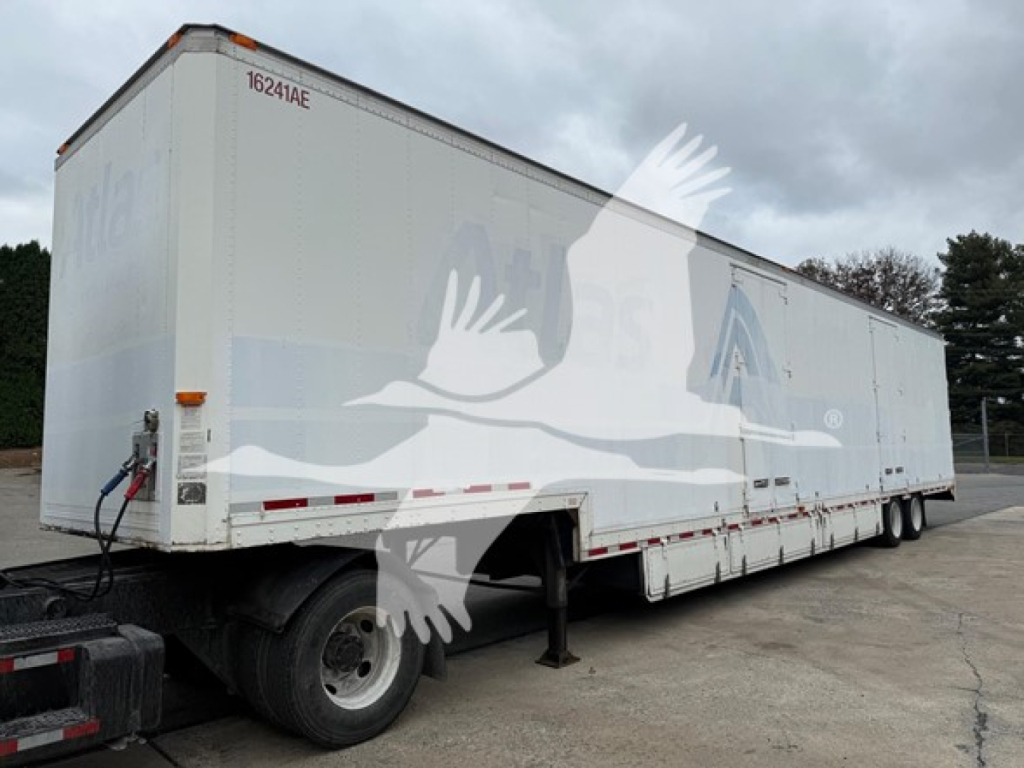
Have used kentucky trailer moving van trailer to sell? List it here to reach thousands of buyers.
About Used Kentucky Trailer Moving Van Trailers
The sidewall and access configuration matters as much as raw dimensions. Many moving van trailers use logistics posts, scuff liners, plastic side lining, and multiple side doors on both curb and driver side to speed residential and commercial deliveries. That setup lets crews reach specific shipments without unloading the entire trailer, which is a major advantage on multi-stop moves. Buyers should inspect post spacing, side door condition, rear swing doors, roof integrity, and door opening height closely. On used units, the floor deserves extra attention because wood van floors can show wear from dollies, concentrated furniture weight, and repeated loading over thresholds.
Chassis and running gear still drive operating cost. Common specs in this category include tandem axles, air ride suspension, low-profile 22.5 tires, two-speed landing gear, and standard kingpin settings that need to match your tractor wheelbase and fifth-wheel position. Air ride is especially important for household goods because it reduces shock transfer to furniture, electronics, and high-value shipments. Brake life, tire age, wheel condition, crossmember spacing, rear frame corrosion, and bumper damage all affect remaining service life. Because moving vans often spend time in tight city streets, docks, and residential drives, look carefully for scrapes, body repairs, and signs of repeated side-door impact.
A used Kentucky Trailer moving van is usually chosen for applications where interior protection and organized access outweigh raw freight versatility. It is a specialized van trailer, sometimes simply called a household goods trailer, and it fits fleets that handle residential moving, office relocation, hospitality installations, and other blanket-wrap freight. The best buying decision comes down to matching the trailer’s cube and access points to your crew method, lane profile, and customer mix. If your operation depends on careful handling, frequent stops, and fast piece-count retrieval, this trailer category offers advantages a standard dry van usually cannot match.
Frequently Asked Questions
What makes a moving van trailer different from a standard dry van?
A moving van trailer is designed for household goods and other damage-sensitive freight that needs organized loading and selective access. It often has a multi-level floor, higher interior cube, logistics posts, interior lining, and multiple side doors. Those features help crews secure mixed shipments, protect finished goods, and unload by stop sequence without emptying the entire trailer.
Why is air ride suspension important on a used moving van trailer?
Air ride suspension helps reduce vibration and impact transferred into the body, which is important when hauling furniture, appliances, electronics, and crated items. In moving and installation work, ride quality directly affects claims exposure and load stability. On a used trailer, buyers should confirm the suspension is holding air properly and inspect bags, valves, shocks, and trailing arm components for wear.
What should I inspect first on a used Kentucky Trailer moving van?
Start with the floor, side doors, rear doors, roof, and interior lining because those components directly affect daily usability. Then inspect the underframe, crossmembers, kingpin area, landing gear, brakes, and tires. On this trailer type, body condition is critical because side-door damage, roof leaks, or worn flooring can create operational delays and cargo damage that cost more than routine chassis repairs.
Are multiple side doors worth it on a moving van trailer?
Multiple side doors are valuable when the trailer is used for multi-stop residential or commercial deliveries. They allow crews to reach a specific shipment zone quickly, reduce unnecessary handling, and improve stop efficiency. The tradeoff is added complexity, more seals and hinges to maintain, and more body openings to inspect for leaks, alignment issues, and structural wear.
What trailer dimensions matter most for household goods hauling?
Interior height, top-deck length, main-deck length, and total usable cube are usually the most important dimensions. Door opening height and inside width also matter because they affect how easily crews can move tall pieces, stacked cartons, and wheeled equipment. Buyers should compare those dimensions to their typical shipment profile, especially if the work includes office systems furniture, hospitality fixtures, or high-volume residential moves.