
Used International Box Trucks For Sale
Compare used International box trucks, 16 to 26 ft, with FRP or aluminum bodies, liftgates, spring or air ride, and Cummins or MaxxForce powertrains.
Learn more

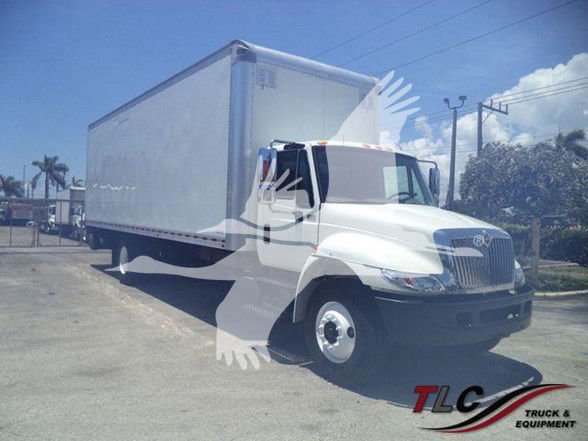
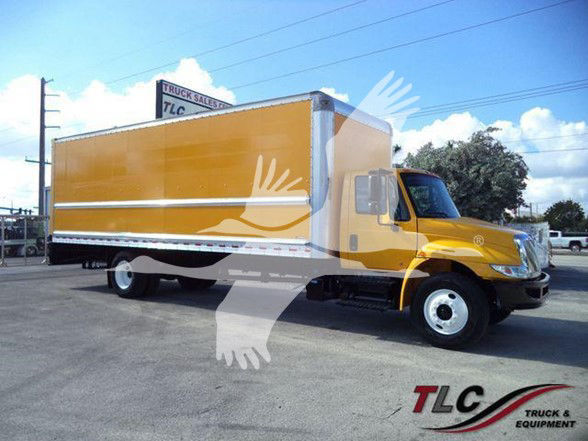
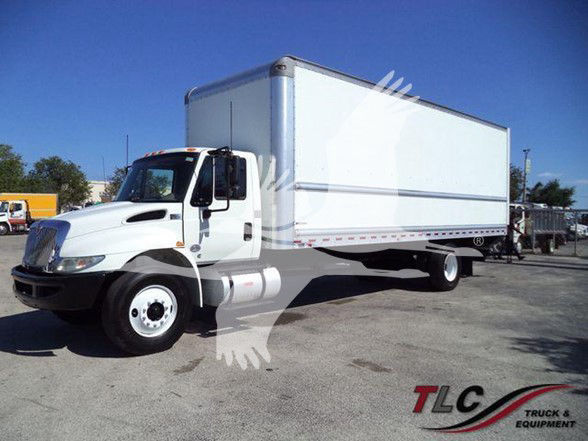
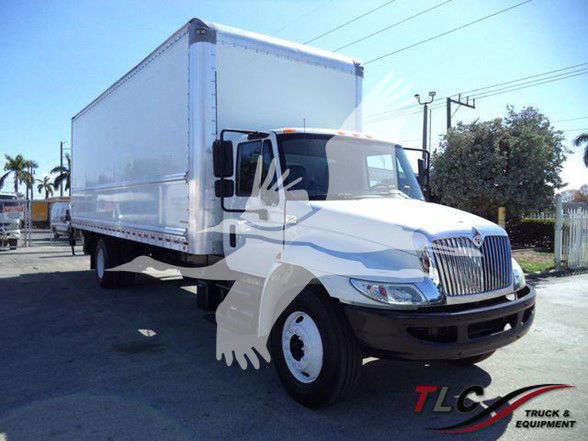
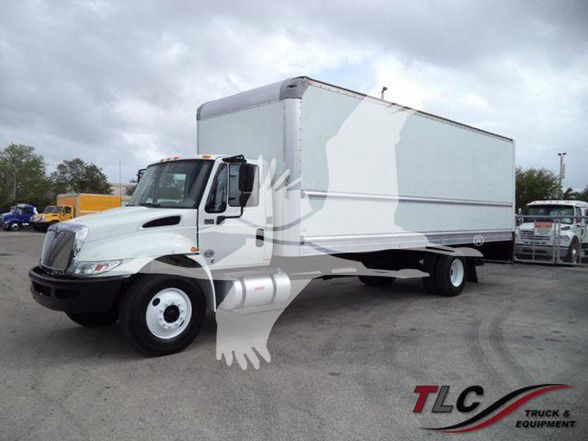
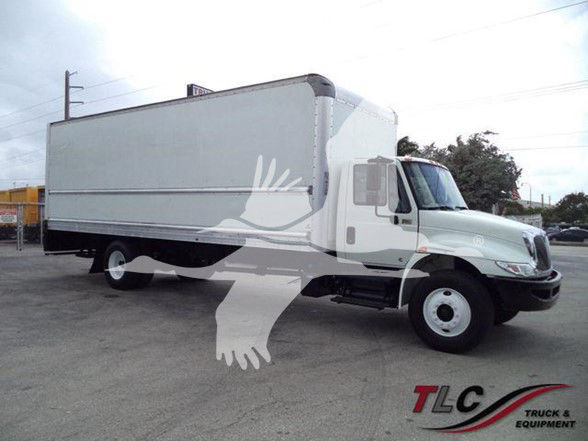
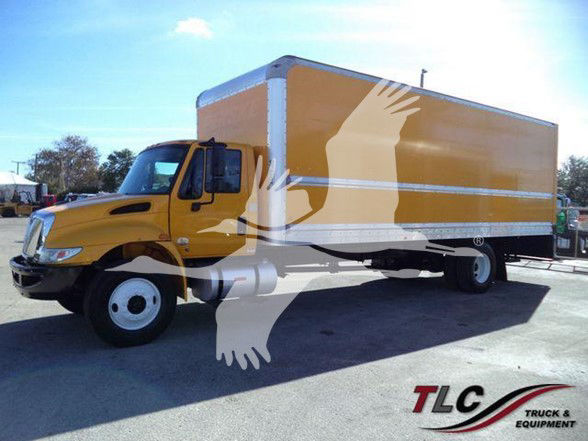
Showing 1 to 12 of 20 results
Have used international box truck to sell? List it here to reach thousands of buyers.
About Used International Box Trucks
Tare weight depends largely on the body and gear you pick. FRP sheet and post bodies are durable and quiet, they run heavier than aluminum and can add several hundred pounds on a 26 foot box. Aluminum sheet and post saves weight and resists rust, fastener interfaces can require periodic resealing. A 26,000 GVW International 4300 or MV with a 26 foot body, tuck under liftgate, spring ride, and 22.5 tires often scales around 13,500 to 15,500 pounds, leaving 10,500 to 12,500 pounds of payload. Bump to 33,000 GVW with air brakes and the same body and you can see 15,000 to 18,000 pounds of payload depending on spec. Rail liftgates offer wide platforms and 3,000 plus pound capacities for appliances or beverage pallets, they add 400 to 700 pounds over a comparable tuck under and can complicate dock work.
International straight trucks are typically Class 6 and 7, also known as dry van box trucks or cargo vans, most commonly in 18, 22, and 26 foot lengths. DuraStar 4300 and 4400 along with the newer MV Series are frequent chassis under Morgan, Supreme, and Utilimaster bodies. Powertrains include MaxxForce 7, 9, and 10 on older units and Cummins B6.7 or L9 on later models, usually paired with Allison 2200, 2500, or 3000 automatics. Hydraulic brakes are common on 26,000 GVW non CDL builds, air brakes dominate 33,000 GVW units and provide better heat management on hilly routes. Spring suspensions cut cost and weight, air ride protects fragile freight and drivers on rough pavement. Low profile 19.5 tires lower deck height for hand unload, 22.5 tires match dock height better and increase brake and tire life.
Corrosion resistance is a long term cost lever. Inspect subframes for galvanizing or e coated steel, look for stainless rear door hardware, aluminum or composite corner posts, and intact undercoating, especially on northern trucks that have seen salt. On the cab, check door bottoms, cab corners, and battery boxes for rust. For the body, watch for electrolysis where aluminum skins meet steel fasteners, bubbling under FRP gelcoat, and rot at the rear threshold. Good sealed marker light penetrations, tight rivet lines, and fresh roof seam sealant keep water out and preserve floor integrity. Liftgate wiring, pumps, and pins live in road spray, clean hydraulics and solid grounds prevent slow gates and downtime. Choose the combination that fits the route density and cargo profile, then balance floor rating, thermal integrity, tare weight, and corrosion control to maximize payload and uptime.
Frequently Asked Questions
What payload can a 26 foot International box truck realistically carry?
A typical 26,000 GVW International 4300 or MV with a 26 foot FRP body, tuck under liftgate, spring suspension, and 22.5 tires scales between about 13,500 and 15,500 pounds, which yields 10,500 to 12,500 pounds of payload. A 33,000 GVW build with air brakes, similar body, and possibly air ride will often scale near 15,000 to 17,500 pounds, leaving 15,500 to 18,000 pounds of payload. Actual numbers depend on body material, door style, liftgate type, fuel tank size, and options like boxes, side doors, and fairings.
How do FRP and aluminum box bodies compare for dry freight?
FRP sheet and post bodies are rugged, quiet, and have fewer seams, which can improve water tightness and reduce maintenance on fasteners. They are heavier, which cuts payload on non CDL 26,000 GVW trucks. Aluminum sheet and post bodies save several hundred pounds on a 26 foot unit and resist rust, but have more seams that need periodic sealing and can be more susceptible to localized punctures. For high cycle urban routes where every pound matters, aluminum often wins. For dock intensive or rental duty where durability and cosmetic longevity are priorities, FRP is a strong choice.
What floor specification should I look for if a forklift loads the truck?
Prioritize laminated hardwood floors at 1.25 to 1.5 inches with 12 inch crossmember spacing, plus a steel or aluminum threshold plate and heavy duty rear sill. Ask for the floor forklift rating, many 26 foot bodies are rated for a 4,000 to 6,000 pound forklift inside the box when crossmembers are on 12 inch centers. Add full height scuff liners and consider steel wear bands at the wheel wells for additional protection. If only pallet jacks enter, 16 inch spacing reduces tare weight and cost without compromising service life.
Are older International MaxxForce engines a concern on used box trucks?
They can be, depending on history and calibration. MaxxForce engines relied on high EGR rates for emissions control and some fleets saw issues with EGR coolers, turbos, and aftertreatment components that were sensitive to duty cycle and maintenance. Strong candidates show complete service records, updated calibrations, documented aftertreatment repairs, and healthy oil analysis. Many buyers prefer later Cummins B6.7 or L9 powered MV and late DuraStar units for simpler parts sourcing. A pre purchase inspection focused on aftertreatment health and coolant system integrity is essential.
Should I choose spring or air ride, and hydraulic or air brakes?
Spring suspensions are lighter and cheaper to maintain, they suit parcel, furniture, and general freight where cargo is well packaged. Air ride improves ride quality and protects fragile or high value items, it adds 250 to 400 pounds and some maintenance. Hydraulic brakes are common on 26,000 GVW non CDL trucks and have lower initial cost, air brakes provide better heat management on grades, faster stopping with heavy loads, and are typical on 33,000 GVW builds. Match the system to route topography, average payload, and cargo sensitivity.