
Used GMC Trucks For Sale in Other
Browse used GMC trucks for sale, including medium-duty and vocational models built for delivery, dump, utility, and municipal work.
Learn moreNo exact matches found for your search
Showing Used Trucks in Other instead.
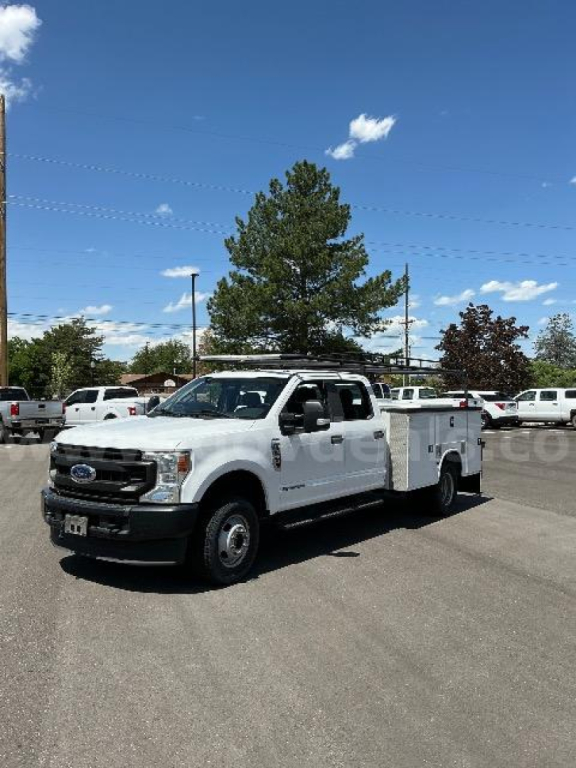

Have used gmc truck to sell? List it here to reach thousands of buyers.
About Used GMC Trucks in Other
A buyer should start with GVWR, axle configuration, and engine-transmission pairing. Many used GMC commercial trucks were spec'd as 4x2 models for local and regional work, while some vocational units were built for heavier payloads or jobsite traction demands. Diesel engines are common in medium-duty applications, but gas-powered units still show up in municipal or lower-mileage service. Automatic transmissions dominate in stop-and-go work, though older manuals can still be found. Wheelbase, cab-to-axle measurement, suspension type, PTO capability, and brake setup are all key details if the truck will be repurposed or matched to a specific body.
Condition matters more than model year alone. On used GMC trucks, buyers should pay close attention to frame corrosion, spring hanger condition, hydraulic system operation on dump or utility bodies, steering play, brake wear, tire age, and evidence of consistent service intervals. Interior condition can also tell a lot about how the truck was used, especially on former fleet, contractor, or municipal units. If the truck has been maintained on a fixed schedule and removed from service for fleet rotation rather than failure, that can be a strong indicator of remaining value.
The right used GMC truck depends on the job cycle. For local hauling, a dump configuration with the right hoist capacity and axle rating is more important than cosmetic condition. For delivery or box truck use, buyers usually focus on door openings, body dimensions, liftgate specs, and drivability in traffic. For chassis applications, the critical questions are frame length, rear axle ratio, and how easily the truck can accept a new body. GMC remains a familiar name in commercial fleets, and used examples can still be practical, cost-effective choices when the specs line up with the work.
Frequently Asked Questions
What should I check first when buying a used GMC truck?
Start with the truck's intended application and confirm the basic chassis specs match the job. GVWR, wheelbase, cab-to-axle, axle ratio, suspension, and engine-transmission combination should be verified before looking at cosmetics. After that, inspect service records, frame condition, tires, brakes, steering components, and any PTO or hydraulic equipment if it is a vocational truck.
Are used GMC trucks good for dump and vocational work?
Many used GMC trucks are well suited for dump, landscape, utility, and municipal applications because they were originally spec'd as work platforms with durable frames and body-upfit flexibility. The key is verifying the hoist, body, hydraulics, rear suspension, and axle ratings are appropriate for the payload. A clean drivetrain does not offset an underspec'd chassis or a worn vocational body.
What GMC truck specs matter most for a body swap or upfit?
For a body swap or new upfit, the most important measurements are wheelbase, cab-to-axle, frame height, frame condition, and rear axle capacity. Buyers should also confirm PTO compatibility, fuel tank placement, exhaust routing, and any existing frame modifications. These details determine how easily a flatbed, dump body, service body, or box can be installed without expensive fabrication.
Is mileage the most important factor on a used GMC truck?
Mileage matters, but it is only one part of the evaluation. A higher-mile truck with documented maintenance, clean frame rails, and strong driveline performance can be a better purchase than a lower-mile truck with corrosion, poor service history, or long periods of idle-heavy use. On vocational trucks especially, hours, load history, and hydraulic condition can be as important as odometer readings.