
Used Freightliner Conventional Sleeper Trucks For Sale in Indiana
Browse used Freightliner conventional sleeper trucks in Indiana, including Cascadia and Coronado models built for regional and over-the-road hauling.
Learn more
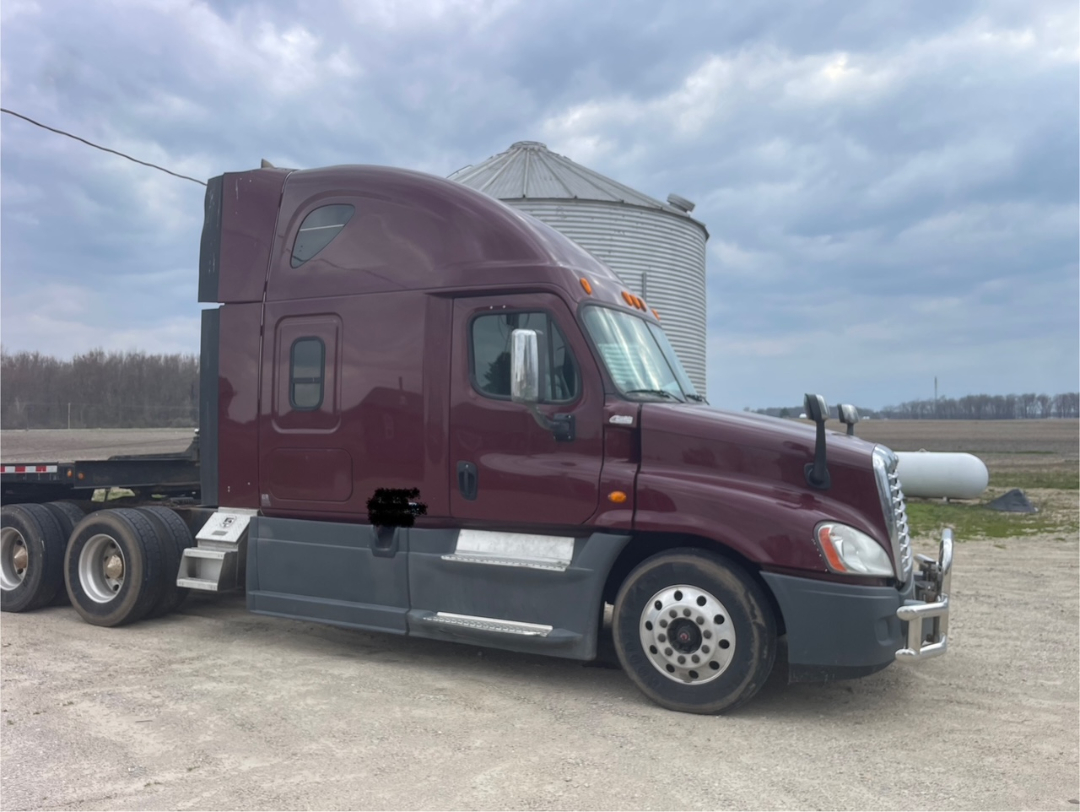
Have used freightliner conventional sleeper truck to sell? List it here to reach thousands of buyers.
About Used Freightliner Conventional Sleeper Trucks in Indiana
The Cascadia is the volume model in this category and is widely used as an over-the-road sleeper tractor. Common specs include Detroit DD13 or DD15 engines, automated manual transmissions such as the DT12, and tandem rear axles rated around 40,000 pounds. Some trucks are equipped with 10-speed or 13-speed manuals, especially in earlier model years or owner-operator configurations. Buyers should pay close attention to horsepower and torque ratings, rear axle ratio, and whether the truck was spec'd for fuel mileage or heavier pulling. A mid-roof sleeper generally works well for regional and irregular route freight, while a raised-roof or condo sleeper adds living space for extended time on the road. Wheelbase, fifth wheel position, and kingpin setting matter if the truck will pull different trailer lengths or operate near bridge-law limits.
A used Freightliner sleeper should be evaluated beyond mileage alone. Service records, idle hours, aftertreatment history, and evidence of consistent maintenance often tell you more than the odometer. On emissions-era trucks, inspect the DPF, DEF system, EGR components, and any signs of deleted or altered emissions equipment, since that can affect compliance, resale, and financing. Check for common wear points such as suspension bushings, steering play, air system leaks, and cab mounting components. Inside the sleeper, look at bunk layout, storage, inverter setup, APU condition, HVAC performance, and seat wear. Freightliner parts availability and dealer support are strong advantages in the Midwest, which helps keep downtime and repair planning manageable.
For Indiana buyers, the right truck depends on lane profile and operating cost targets. A fuel-efficient Cascadia with a DD15 and aerodynamic spec makes sense for high-mileage highway freight. A Coronado or heavier vocational-leaning sleeper may appeal to operators who want a more robust front-end spec or a distinct hooded conventional layout. The best used Freightliner conventional sleeper trucks are the ones matched to payload, trip length, driver preference, and maintenance budget. A clean drivetrain spec, documented upkeep, and a sleeper configuration that fits the job usually matter more than cosmetic upgrades.
Frequently Asked Questions
What are the most common Freightliner sleeper truck models on the used market?
The Freightliner Cascadia is the most common conventional sleeper tractor on the used market, especially for over-the-road and regional linehaul work. Buyers will also see Coronado sleeper models, which use a more traditional long-hood design and are often chosen by operators who prefer that platform. The Cascadia generally leads in aerodynamic efficiency, parts support, and fleet prevalence, while the Coronado can appeal to buyers looking for a different ride and appearance with highway capability.
What should I check first on a used Freightliner conventional sleeper truck?
Start with the engine, transmission, and emissions system history. Confirm the engine model, horsepower rating, transmission type, mileage, idle hours, and any major repairs or rebuilds. Review maintenance records for oil service intervals, coolant system work, clutch or transmission service, and aftertreatment repairs involving the DPF, DEF, or EGR system. Then inspect suspension, steering, brakes, tires, frame condition, and sleeper functions such as HVAC, bunk equipment, APU, and inverter setup.
Is a Freightliner Cascadia a good choice for over-the-road hauling?
Yes. The Cascadia is one of the most widely used sleeper tractors for over-the-road freight because it was designed around fuel economy, highway comfort, and easy service access. Many used Cascadias are spec'd with Detroit DD15 engines and automated manual transmissions, which can make them a strong fit for fleets and owner-operators focused on operating cost. The right spec still matters, especially axle ratio, sleeper size, and horsepower, but the platform itself is well proven in long-haul service.
How important is sleeper size when buying a used conventional sleeper truck?
Sleeper size has a direct effect on driver comfort, storage capacity, and how the truck fits the operation. A mid-roof sleeper is often enough for regional freight or shorter runs where the driver is not living in the truck for extended stretches. A raised-roof or condo sleeper gives more room for standing, storage, refrigeration, and extended over-the-road use. Buyers should match the sleeper layout to trip length, driver retention needs, and overall wheelbase requirements.
Are used Freightliner sleeper trucks in Indiana well suited for regional freight?
Yes. Indiana is a strong market for used sleeper tractors because the state sits on major freight routes and supports a wide mix of dry van, reefer, flatbed, and dedicated freight operations. A used Freightliner sleeper can work well for regional freight if the truck has the right axle ratio, sleeper size, and drivetrain spec for frequent interstate miles and changing trailer combinations. Access to service networks and parts support across Indiana and the Midwest is also a practical advantage.