
Used Freightliner Conventional Sleeper Trucks For Sale in Alabama
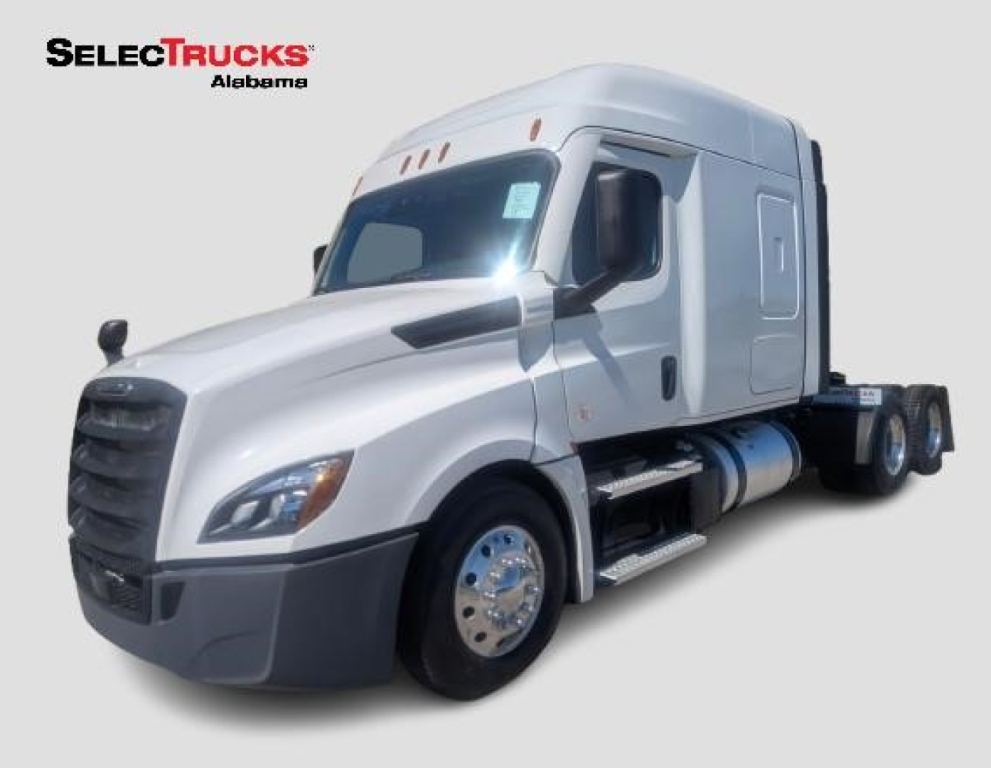
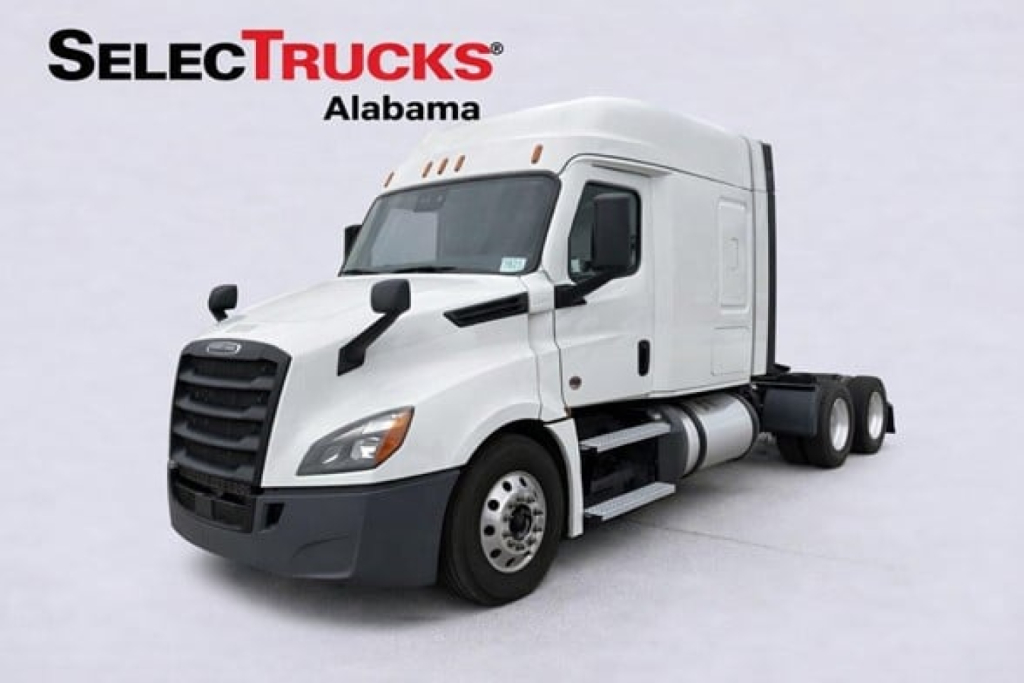
Shop used Freightliner conventional sleeper trucks for sale in Alabama, including Cascadia models built for fuel economy, driver comfort, and fleet uptime.
Learn more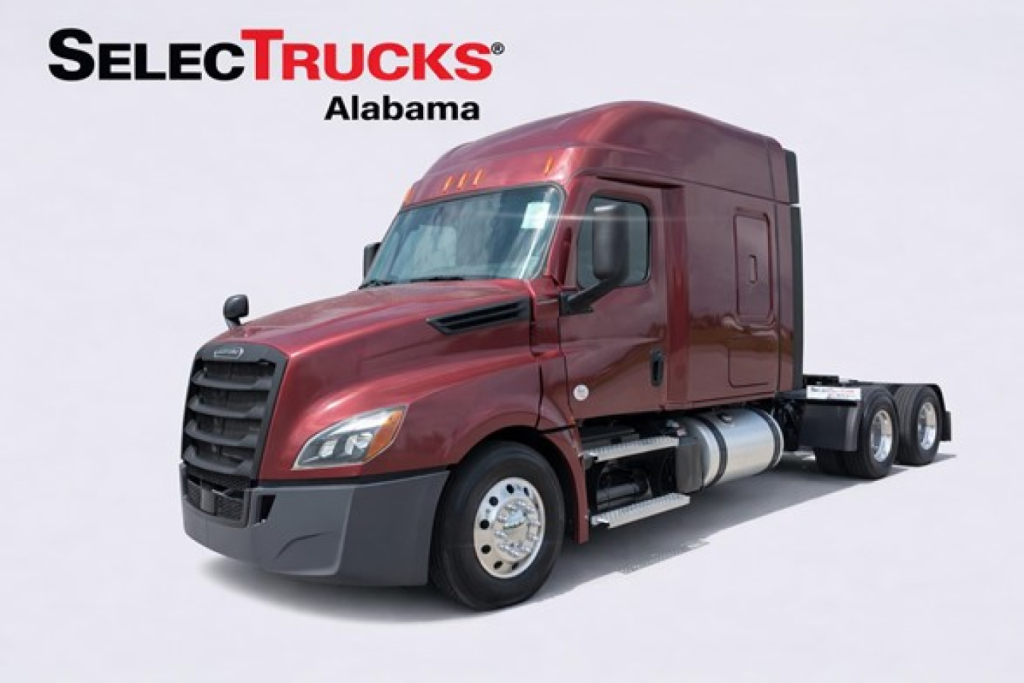
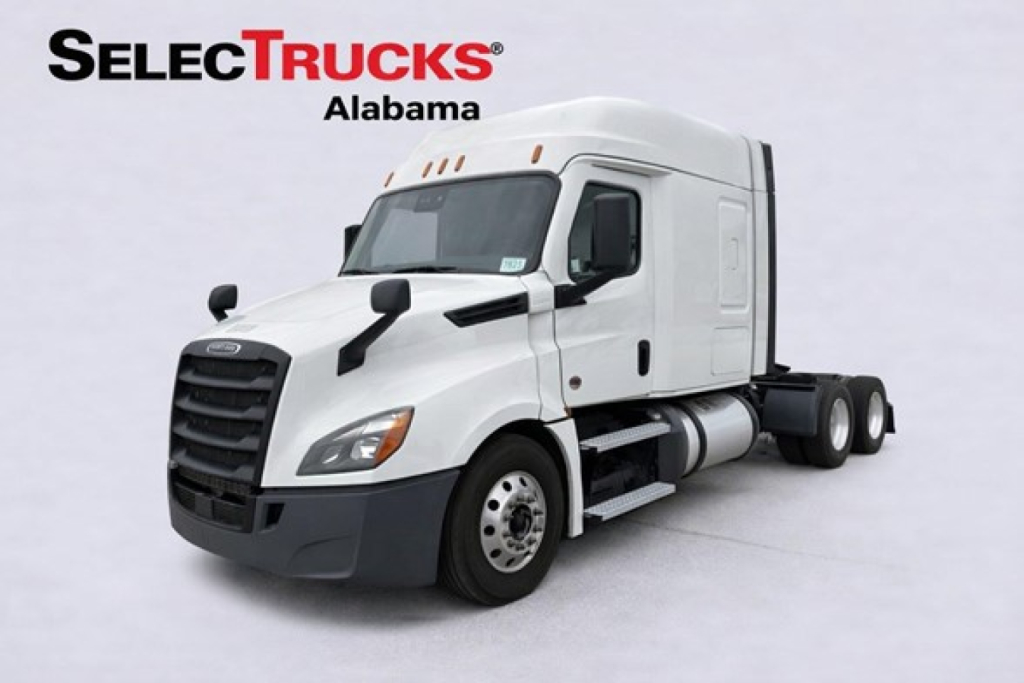
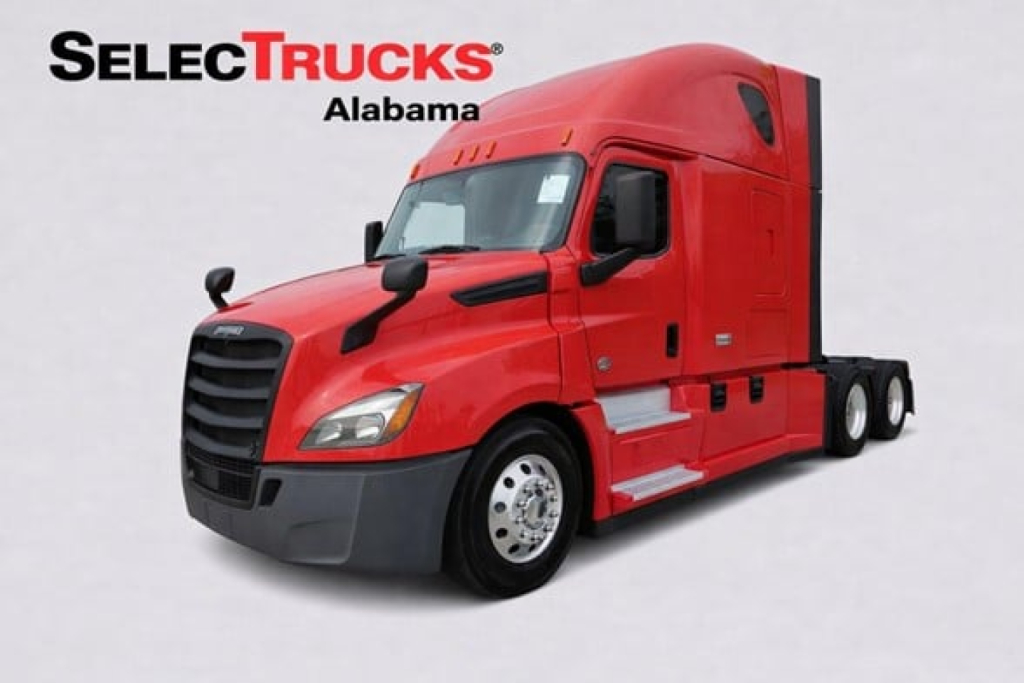
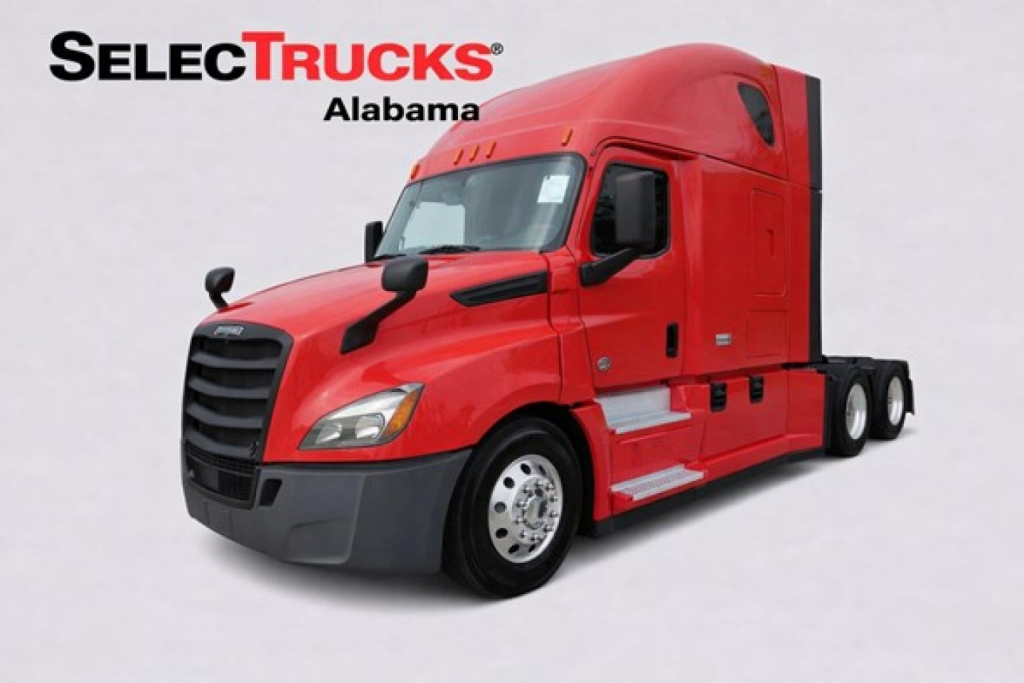
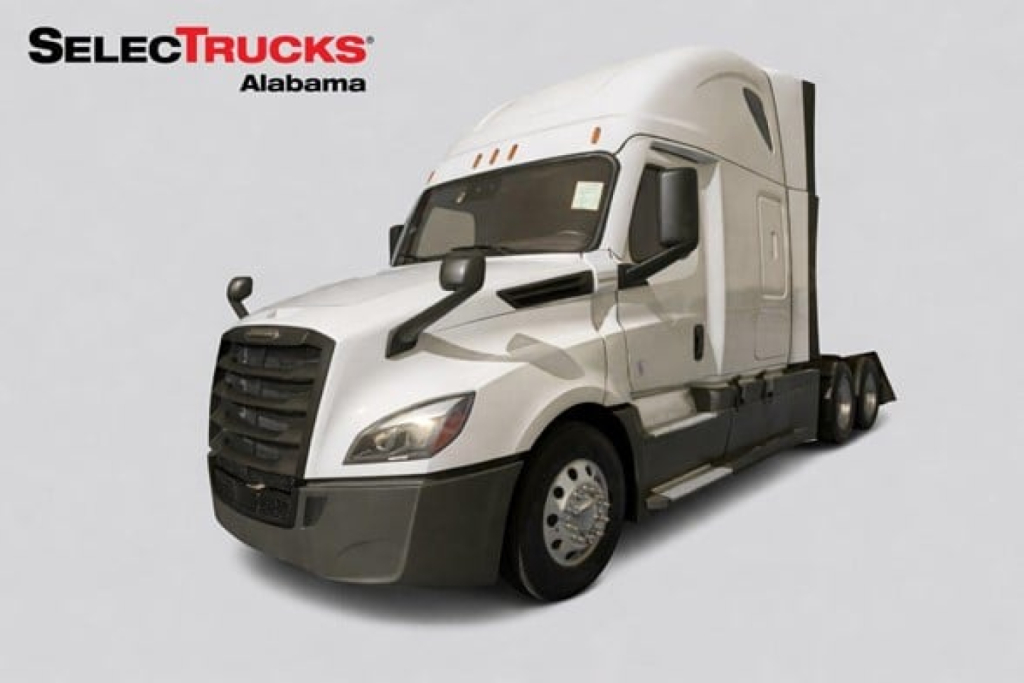
Have used freightliner conventional sleeper truck to sell? List it here to reach thousands of buyers.
About Used Freightliner Conventional Sleeper Trucks in Alabama
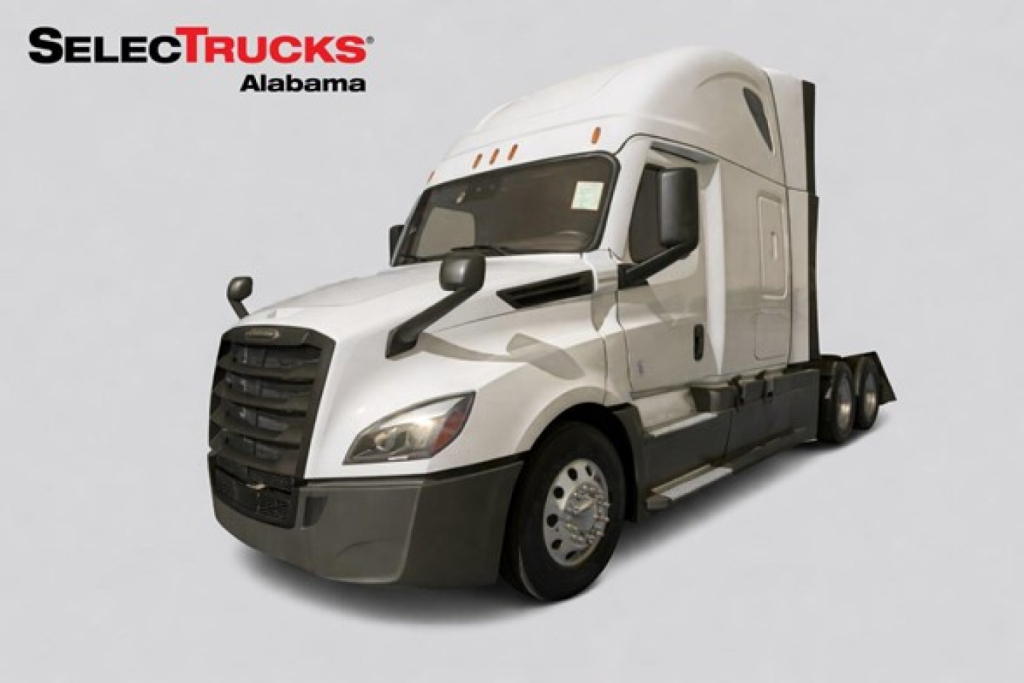
The most common setup in this category is a Freightliner Cascadia 126 with a mid-roof or raised-roof sleeper, typically paired with a Detroit DD15 and an automated Detroit DT12 transmission. Horsepower ratings around 455 HP are common, along with 40,000 lb rear axles, air ride suspension, and highway-friendly axle ratios such as 3.08. That combination is popular because it supports fuel-efficient cruising without giving up the pulling power needed for loaded van, reefer, and many general freight applications. Buyers should pay close attention to sleeper size, wheelbase, fifth wheel type, and whether the truck is PTO compatible, since those details affect versatility across different trailer and vocational assignments.
Condition and prior use matter as much as the badge on the hood. Many used Freightliner sleepers come out of large fleets, which can be a major advantage if the truck has a documented PM schedule, consistent mileage accumulation, and standardized maintenance. Review engine hours alongside odometer mileage, and look closely at aftertreatment history, clutch and transmission calibration records, brake wear, tire condition, and any signs of excessive idle time. Freightliner trucks equipped with Detroit Assurance or other collision mitigation features can be attractive for safety-minded operations, but buyers should confirm that sensors, cameras, and related systems are functioning properly. An air slide fifth wheel, aluminum wheels, and aerodynamic fairings may also add day-to-day value depending on the routes and trailer mix.
For Alabama buyers, a used Freightliner conventional sleeper makes sense when uptime, operating cost, and driver acceptance are the main priorities. The platform is widely supported, easy to spec for dry van or reefer work, and familiar to technicians across the Southeast. A well-matched truck in this category should have a powertrain spec aligned with your average gross weight, a sleeper layout that fits the run length, and service records that show the truck was maintained for highway use rather than simply cleaned up for resale. When those pieces line up, a used Freightliner sleeper can be a cost-effective road tractor with strong resale appeal and broad application across regional and over-the-road freight.
Frequently Asked Questions
What is the most common engine and transmission setup in a used Freightliner conventional sleeper truck?
The most common setup is a Detroit DD15 diesel engine paired with a Detroit DT12 automated manual transmission, especially in late-model Freightliner Cascadia sleepers. This combination is popular because it delivers a strong mix of fuel economy, highway drivability, and service network support. Many buyers target ratings around 455 horsepower with a fuel-efficient rear axle ratio because that spec works well for dry van, reefer, and general freight operations.
Is a Freightliner Cascadia sleeper a good choice for regional and long-haul work in Alabama?
Yes. The Cascadia is one of the most practical choices for Alabama regional and over-the-road lanes because it is built around aerodynamic efficiency, driver comfort, and widespread parts availability. It fits the needs of carriers running major interstate corridors, distribution freight, and port-connected lanes. A mid-roof sleeper is often a strong fit for regional work, while larger sleeper configurations can make more sense for teams or longer over-the-road runs.
What should I inspect first on a used Freightliner sleeper truck?
Start with maintenance records, engine hours, mileage, and fault code history. Then inspect the aftertreatment system, transmission operation, suspension, steer and drive tire wear, brakes, and fifth wheel condition. On Freightliner sleepers with Detroit Assurance or similar safety technology, confirm that radar, camera, and warning systems are working correctly. A clean interior and exterior matter less than evidence of consistent preventive maintenance and proper drivetrain care.
What axle ratio is common on used Freightliner highway sleepers, and why does it matter?
A 3.08 rear axle ratio is common on highway-focused Freightliner sleeper trucks because it supports lower engine rpm at cruising speed and helps fuel economy. That can be a smart choice for carriers running mostly interstate freight at consistent weights. Buyers hauling heavier loads in tougher terrain should still compare the axle ratio to tire size, transmission gearing, and average gross combination weight to make sure the truck will perform the way the route demands.
Are fleet-maintained used Freightliner sleeper trucks usually a better buy?
They often are, provided the service history is complete and the truck was maintained on schedule. Fleet units are usually spec'd consistently and serviced under structured preventive maintenance programs, which can make their history easier to evaluate. The tradeoff is that they may have higher miles or more idle time, so the key is not just that the truck came from a fleet, but that the records show disciplined maintenance, timely repairs, and no major gaps in service.