
Used Eager Beaver Trailers For Sale
Used Eager Beaver lowboy trailers with hydraulic detach, 35-ton ratings, air ride suspension, and Apitong floors for heavy equipment hauling.
Learn moreBrowse Eager Beaver Trailers by Category
Have used eager beaver trailer to sell? List it here to reach thousands of buyers.
About Used Eager Beaver Trailers
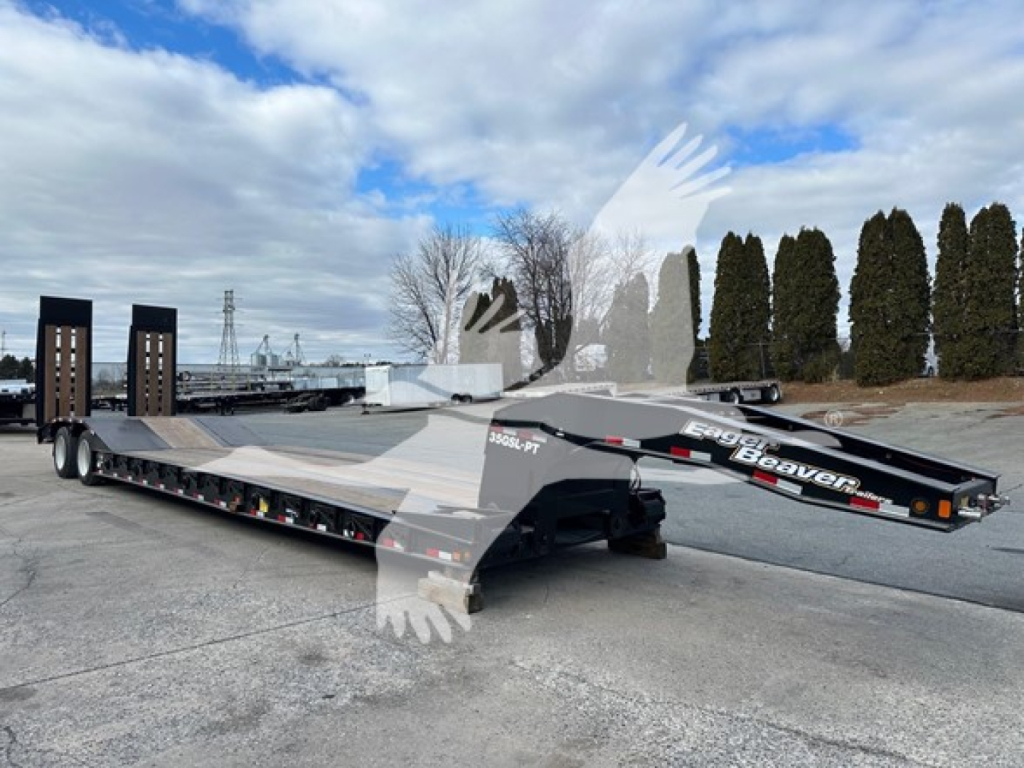
One of the first decisions is neck style and loading method. Eager Beaver hydraulic detachable gooseneck trailers are popular because they speed up loading for tracked machines and reduce the need for steep rear loading angles. Common specs in this group include non-ground-bearing hydraulic detach systems, 50-inch loaded fifth wheel height, kingpin settings around 15 inches, and 24-foot main deck wells. On used units, pay close attention to neck pins, hydraulic lines, pony motor operation, deck-to-neck fit, and any signs of stress around the front bridge and gooseneck connection points. A smooth detach and solid lockup are more important than cosmetics.
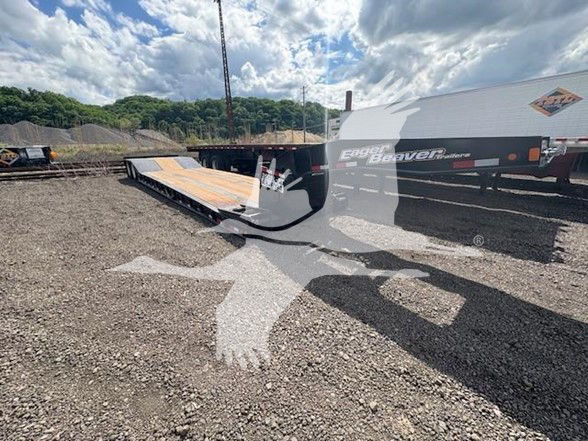
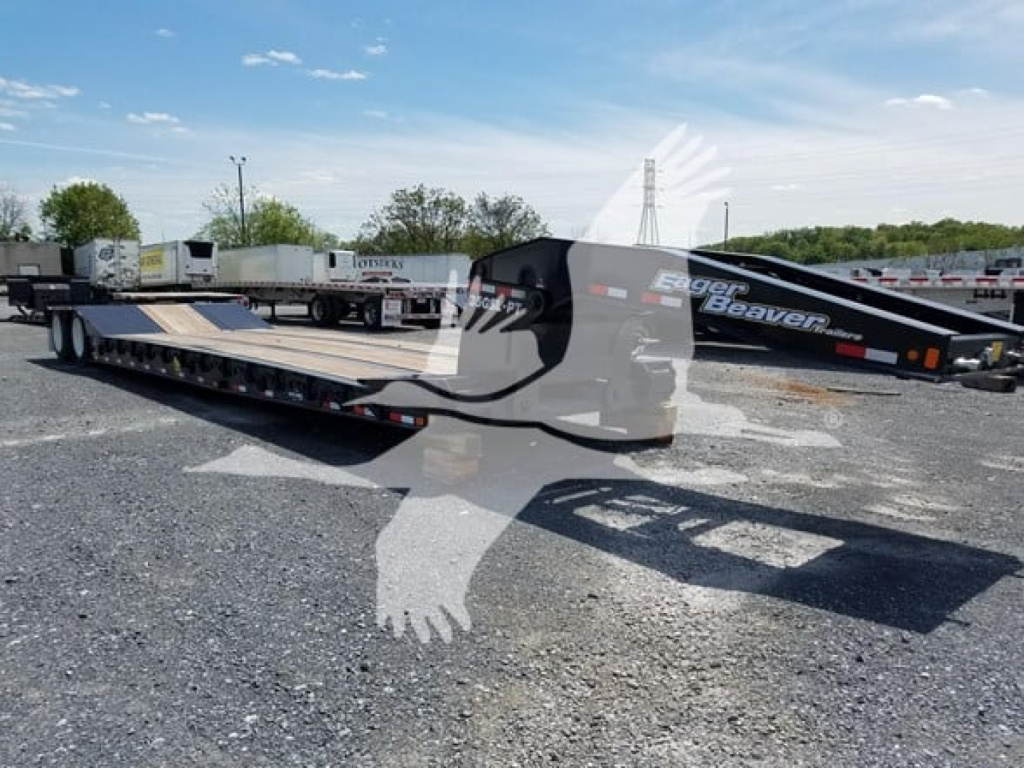
Deck construction and tie-down layout are also key on an Eager Beaver lowboy. Many used examples have 1-1/2 inch Apitong flooring, mesh or wood-filled center sections, spring-assist front ramps, and swing-out outriggers on 24-inch centers. ROTO-style D-rings, bolster tie points, and perimeter beam construction are common on equipment-focused builds. Buyers hauling asphalt and paving equipment should look closely at flooring wear, crossmember condition, and the straightness of the rear transition area because concentrated machine loads can expose fatigue faster than general freight service. If the trailer has a beavertail or hydraulic rear ramps, inspect hinge points, ramp structure, and any uneven wear that could affect loading stability.
Running gear on this category typically includes tandem fixed axles, air ride suspension from brands such as Ridewell or Cush, 54-inch axle spacing, manual dump valves, raise-and-lower controls, and 255/70R22.5 tires on steel wheels. Those specs are common for contractors who want a stable, road-friendly trailer that still handles mixed jobsite access. On a used trailer, check suspension bushings, ride height control, brake lining life, wheel-end condition, and the frame around the suspension hangers. Eager Beaver trailers tend to hold attention from experienced buyers because they are purpose-built for equipment hauling, and the right used unit comes down to matching ton rating, well length, detach style, and tie-down package to the machines you move every week.
Frequently Asked Questions
What are used Eager Beaver trailers commonly used for?
Used Eager Beaver trailers are commonly used for hauling construction and road-building equipment such as excavators, dozers, skid steers, compactors, rollers, and asphalt paving machines. Most units in this category are lowboy or hydraulic detachable gooseneck trailers designed to carry taller and heavier equipment with a lower deck height than a standard flatbed. They are especially common in contractor fleets, paving operations, equipment rental transport, and regional heavy haul work.
What should I inspect first on a used Eager Beaver hydraulic detachable lowboy?
Start with the gooseneck and detach system because that is the most critical and expensive part of the trailer. Check for wear at the neck connection, pin fit, hydraulic leaks, cylinder condition, pony motor operation, and any cracking or repairs around high-stress areas. After that, inspect the main deck, crossmembers, outriggers, suspension, brakes, and tire condition. A used lowboy can look acceptable on the surface while hiding structural fatigue from repeated heavy equipment loading.
Is a 35-ton Eager Beaver enough for most equipment hauling jobs?
A 35-ton Eager Beaver lowboy is a common choice for mid-range equipment hauling and fits many contractor applications, but the right capacity depends on the actual operating weight of your machines and attachments. It is often a practical match for smaller excavators, dozers, rollers, and paving equipment, especially when legal height and lower deck height matter. Buyers should confirm not only the gross rating, but also deck length, axle group, loading angle, and how the machine's weight distributes across the well and neck.
Why is Apitong flooring common on Eager Beaver trailers?
Apitong is widely used on equipment trailers because it offers strong wear resistance, good load support, and reliable service under steel tracks and concentrated machine weight. On an Eager Beaver lowboy, Apitong flooring helps protect the deck while maintaining traction during loading. On a used trailer, flooring condition still matters because cracked boards, loose fasteners, and hidden moisture damage can lead to expensive deck repairs and reduced support under heavy point loads.
What axle and suspension setup is typical on used Eager Beaver lowboys?
Many used Eager Beaver lowboy trailers in this class are tandem axle units with fixed axles, air ride suspension, and 54-inch axle spacing. This setup is popular because it provides a stable ride, helps protect both trailer and cargo, and is familiar to maintenance shops that service construction fleets. Buyers should still inspect bushings, air bags, ride height valves, brake components, and wheel ends carefully, since suspension wear directly affects tire life, stability, and legal road performance.