
Used CCC Trucks For Sale
Browse used CCC trucks for sale, including heavy-duty cab and chassis units with Cummins diesel power and vocational-spec drivetrains.
Learn more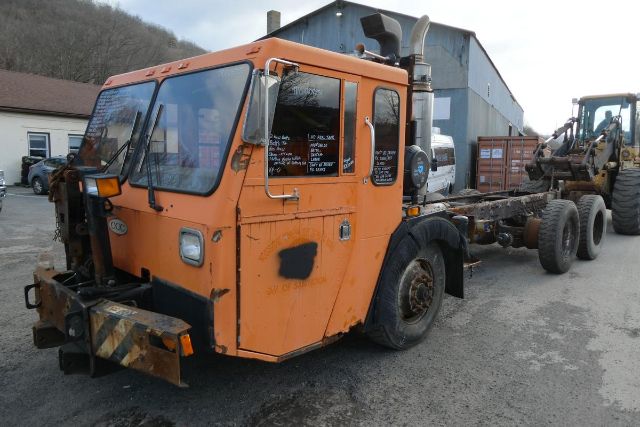
Have used ccc truck to sell? List it here to reach thousands of buyers.
About Used CCC Trucks
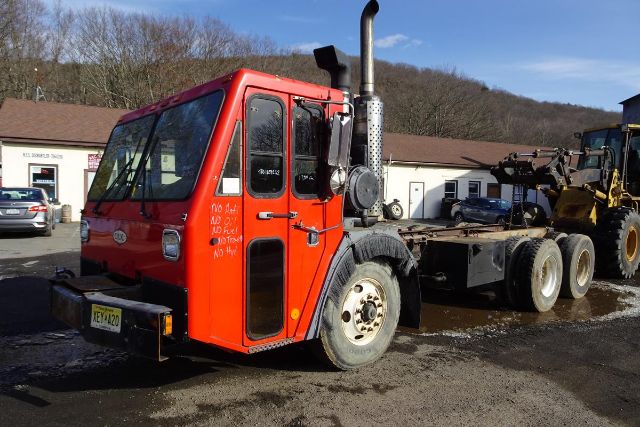
A lot of CCC trucks in this class carry Cummins diesel engines paired with Allison automatic transmissions, a common combination for stop-and-go vocational service. Specs often include tandem rear axles in the 46,000 lb range, front axles around 20,000 lbs, and aggressive rear ratios such as 5.25 or 5.43 to support low-speed work and PTO-driven applications. Hendrickson rubber block or vocational suspension setups are also common because they hold up well under heavy loads and repeated starts, stops, and curbside operation. If you are comparing used CCC cab and chassis trucks, pay close attention to wheelbase, cab-to-axle, and cab-to-end measurements since those dimensions determine what body can be mounted and how weight will be distributed across the axles.
Condition matters more than brand familiarity in this category because many used CCC trucks come out of demanding fleet service. Frame rail integrity, double-frame construction, steering system condition, cooling package health, rear suspension wear, and transmission operation should all be checked closely. If the truck is incomplete, verify what is missing before pricing a rebuild. Fuel tanks, hydraulic components, inner rear wheel assemblies, cab hardware, and body-mount equipment can materially change the total cost to put the truck back to work. Engine status is another major factor, especially on units sold as non-running, core engines, or parts trucks. A buyer with in-house shop capability may see value in a severe-duty CCC chassis that would not make sense for an operator needing immediate service readiness.
CCC trucks appeal to buyers who need a heavy vocational platform rather than a general over-the-road truck. They are commonly selected for refuse packers, grapples, roll-off bodies, dump applications, sewer vac support, and other municipal or industrial jobs where durability and body fitment matter more than highway speed. A used CCC can be a strong value when the chassis specs match the intended body and route profile. The key is to buy by application: confirm axle ratings, transmission model, suspension type, frame setup, and dimensional layout first, then weigh engine condition and missing components against the cost of making the truck job-ready.
Frequently Asked Questions
What are CCC trucks commonly used for?
CCC trucks are commonly used in severe-duty vocational applications such as refuse collection, roll-off hauling, municipal service, utility work, and specialty body installations. Their cab and chassis design is built around heavy front axle capacity, body-builder friendly dimensions, and driveline configurations suited for low-speed, high-cycle routes. Many are purchased specifically for jobs that require frequent stops, PTO operation, and durable frame construction.
What should I check first on a used CCC cab and chassis?
Start with the chassis dimensions and weight ratings. Wheelbase, cab-to-axle, cab-to-end, front axle rating, rear axle rating, and frame type determine whether the truck can accept the body you need and still carry the load legally. After that, inspect the engine and transmission condition, especially on trucks that were removed from municipal service or sold incomplete. Missing tanks, steering parts, hydraulic equipment, or wheel-end components can add significant repair cost.
Are Allison automatic transmissions common in CCC trucks?
Yes. Allison automatic transmissions are very common in CCC vocational trucks because they perform well in stop-and-go service and are well suited for refuse, utility, and municipal applications. Buyers often prefer them for ease of operation, PTO compatibility, and durability in urban routes. The exact model matters, so it is smart to confirm transmission series, service history, and whether the intended application requires specific PTO or programming support.
Why do used CCC trucks often have high axle ratings and deep rear ratios?
CCC trucks are designed for heavy vocational work rather than long-haul fuel economy. High front and rear axle ratings support body weight, payload, and equipment loads, while deep rear ratios such as 5.25 or 5.43 improve low-speed pulling power and launch performance. That setup is useful for routes with constant stopping, starting, backing, and loading, but it is generally less favorable for sustained highway cruising at higher road speeds.
Is a non-running CCC truck still worth buying?
It can be, but only if the chassis specs, frame condition, and component value justify the repair or rebuild cost. A non-running CCC truck may still be attractive for a body swap, parts use, or a shop that can handle engine, steering, and hydraulic work internally. The buyer should price it as a project, not as a service-ready truck, and account for the full cost of missing components, labor, transport, and any required drivetrain replacement.