
Trucks For Sale Near White Salmon, Washington
Browse trucks for sale in White Salmon, Washington, including work trucks, vocational units, and highway trucks with varied specs and applications.
Learn more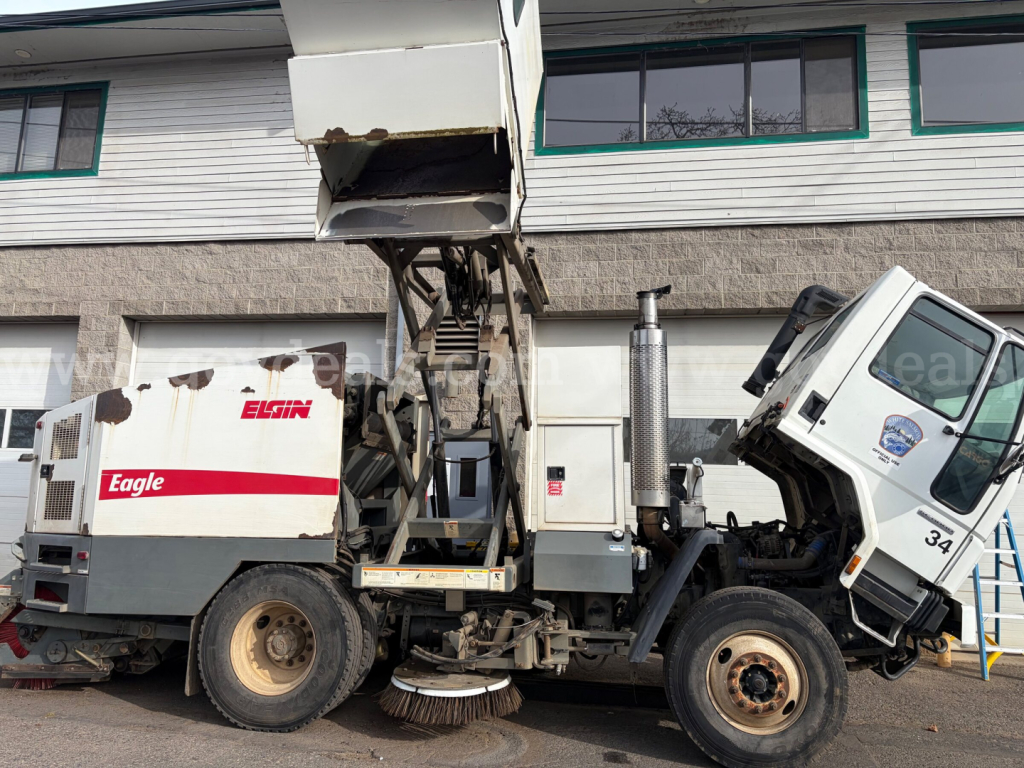
Have truck to sell? List it here to reach thousands of buyers.
About Trucks Near White Salmon, Washington
For vocational trucks, buyers should pay close attention to engine hours, idle hours, PTO operation, hydraulic performance, and the condition of wear components tied to the body or mounted equipment. On units like sweepers, water systems, gutter brooms, hopper condition, auxiliary engine setup, and fan or conveyor operation can be as important as the base chassis. On more general commercial trucks, common decision points include GVWR, wheelbase, cab style, transmission type, suspension, rear axle ratio, and brake configuration. In the Pacific Northwest, corrosion is usually less severe than in heavy salt markets, but moisture exposure, steep grades, and seasonal temperature swings still make cooling system condition, brake health, and tire quality worth a close inspection.
A serious buyer should also look at service access and parts support for the make, engine, and body manufacturer. Older trucks can still be strong value if the drivetrain is proven and replacement parts remain easy to source. Maintenance records, ECM data, tire date codes, frame condition, and signs of previous upfitting or repair work tell you more than cosmetic appearance. If the truck is intended for municipal, fleet, or contractor use, check for compatibility with your shop's diagnostic tools, CDL requirements, bridge law limits, and any emissions rules that may affect where and how the truck can operate.
Used trucks in this category can range from basic fleet workhorses to specialized units built for a narrow task. Buyers comparing listings should focus on total operating fit: capacity, durability, serviceability, and expected repair exposure over the next several years. A lower-priced truck is not always the better buy if it needs immediate brake work, hydraulic repairs, body refurbishment, or hard-to-find components. The best truck for the job is the one with the right spec, a clear maintenance story, and a chassis-body combination that fits your route, crew, and workload.
Frequently Asked Questions
What should I check first when comparing trucks for sale?
Start with the intended job and match it to the truck's core specs. Key items include GVWR, axle configuration, wheelbase, engine and transmission pairing, body type, PTO capability, and suspension setup. A truck can look clean and still be wrong for the application if the payload rating, gearing, or body equipment does not fit your route or duty cycle.
Are vocational trucks evaluated differently than standard highway trucks?
Yes. A vocational truck should be inspected as both a chassis and a working machine. On units such as sweepers, dump trucks, or service trucks, the mounted equipment, hydraulics, controls, water or air systems, and PTO-driven functions often determine real value more than the cab and engine alone. Body wear, auxiliary systems, and component hours can have a major impact on future repair costs.
What matters most on a used truck in Washington state?
In Washington, buyers should pay attention to cooling systems, brakes, tires, and drivetrain performance on grades, especially for trucks that will operate in hilly terrain or year-round weather. Moisture exposure can accelerate electrical issues, corrosion at connectors, and brake system wear even when frame rust is not severe. Tire condition and tread depth also matter if the truck will see wet roads, job sites, or seasonal mountain travel.
How important are maintenance records on a used truck?
Maintenance records are one of the strongest indicators of how a truck was operated and cared for. Oil service intervals, transmission and differential service, brake work, injector or emissions repairs, and PTO or hydraulic maintenance can help a buyer estimate remaining service life and near-term expense. When records are limited, ECM data, visible wear patterns, and a thorough mechanical inspection become even more important.